
Kombucha Medication Interaction Checker
Check Your Medication Risk
Important Facts
Many people drink kombucha for its probiotics, tangy flavor, and supposed health benefits. But if you're on medication that reacts to alcohol, even a small sip could cause serious side effects. You might not realize it, but kombucha contains alcohol-naturally produced during fermentation. And for some medications, that tiny amount is enough to trigger dangerous reactions.
How Much Alcohol Is Actually in Kombucha?
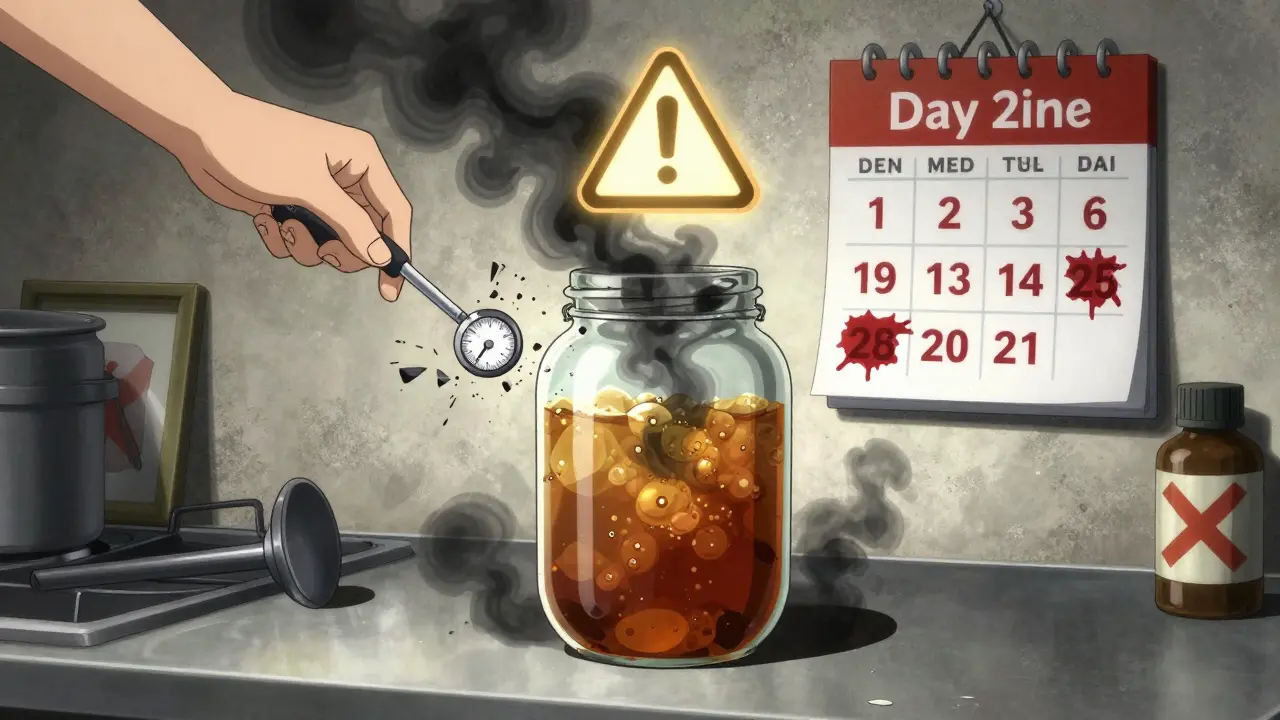
Kombucha isn’t beer. It’s not even close. But it’s not alcohol-free either. Commercial brands in the U.S. are legally required to keep alcohol below 0.5% ABV (alcohol by volume). That’s less than what’s found in a ripe banana or a glass of orange juice left out overnight. But here’s the catch: that number only applies to store-bought bottles that passed federal testing. Homemade kombucha? That’s a different story.
Homebrewers often let their batches ferment longer for more tang or fizz. That extra time lets yeast keep converting sugar into alcohol. Lab tests on over 150 homebrewed samples found alcohol levels ranging from 0.5% to 2.5% ABV. Some batches even hit 3.2%-the same as a light beer. And most homebrewers never test their batches. No hydrometer, no alcoholmeter. Just guesswork.
Then there’s hard kombucha-brands like Health-Ade and Brew Dr. that intentionally boost alcohol content to 3-8% ABV. These are sold in the beer aisle, not the health food section. If you’re unsure what you’re drinking, check the label. If it says “hard kombucha,” assume it’s alcoholic. If it doesn’t say anything, assume it might still have enough alcohol to cause problems.
Which Medications React Dangerously with Kombucha?
The real risk isn’t getting drunk. It’s how alcohol interacts with certain drugs. Even 0.5% ABV can be enough to trigger side effects when combined with specific medications. The most dangerous combinations include:
- Metronidazole and tinidazole (antibiotics): These drugs block alcohol breakdown in the body. The result? A disulfiram-like reaction: flushing, rapid heartbeat, nausea, vomiting, and sometimes chest pain. A 2023 case report documented a patient hospitalized after drinking homemade kombucha (1.8% ABV) while on metronidazole.
- SSRIs and other antidepressants: Alcohol can amplify drowsiness, dizziness, and mood swings. People on sertraline or fluoxetine have reported increased anxiety, confusion, and fainting after drinking kombucha.
- Diabetes medications like metformin and chlorpropamide: Alcohol lowers blood sugar. When combined with these drugs, it can cause dangerous drops-some patients have needed emergency care after kombucha consumption.
- Benzodiazepines (Xanax, Valium, etc.): Both alcohol and these drugs slow down your central nervous system. Together, they can cause extreme drowsiness, slowed breathing, or even loss of consciousness.
- Nitrates (for heart conditions): Alcohol causes blood vessels to widen. When paired with nitrates, this effect can drop blood pressure to unsafe levels.
According to the American Pharmacists Association, kombucha is a hidden alcohol source that interacts with at least 17 major medication classes. And most people have no idea.
Why Store-Bought Isn’t Always Safe Either
You might think, “I only buy commercial kombucha, so I’m fine.” But here’s the problem: labeling is inconsistent. A 2023 FDA review found only 63% of commercial kombucha bottles include a warning like “Contains Trace Alcohol.” Many brands assume 0.5% ABV means it’s safe to ignore. But if you’re on metronidazole, even 0.1% ABV can trigger a reaction.
Even brands that test their batches-like GT’s and Health-Ade-don’t always tell you the exact alcohol level. Some use pasteurization or filtration to cap alcohol at 0.5%, but others rely on short fermentation times and don’t disclose variations between batches. And if you’re drinking kombucha daily, that 0.5% adds up. Dr. Deanna Minich points out that daily consumption equals about 1.75 standard drinks per week-enough to interfere with medications that have strict alcohol limits.
Real People, Real Reactions
It’s not just theory. People are getting sick.
On Reddit’s r/kombucha, hundreds of users describe reactions after drinking kombucha with meds:
- One person vomited violently after drinking Health-Ade while on metronidazole for a UTI.
- Another had a 15-point blood sugar drop after kombucha and metformin, ending up in the ER.
- A pharmacist on the forum shared that multiple patients came in dizzy after combining kombucha with sertraline.
ConsumerLab’s 2023 survey of over 1,200 kombucha drinkers found 18% reported adverse reactions. Two-thirds of those involved antidepressants. Nearly a third involved antibiotics. And only 12% of those people had been warned about the risk by their doctor or pharmacist.
Trustpilot reviews for major brands are full of complaints like: “No warning on the bottle about my blood pressure meds,” or “I didn’t know kombucha had alcohol.”
What Should You Do If You’re on Medication?
If you take any of the medications listed above, here’s what to do:
- Check your prescription label. Look for warnings about alcohol. If it says “avoid alcohol,” assume kombucha counts.
- Ask your pharmacist. Don’t assume they know. A 2023 survey found only 32% of pharmacists correctly identify kombucha as an alcohol source. Bring the bottle with you.
- Avoid homemade kombucha entirely. The alcohol content is unpredictable. Even if you think you’ve controlled it, without a reliable alcoholmeter, you’re guessing.
- If you must drink commercial kombucha, wait at least 48 hours after taking your medication. The Cleveland Clinic recommends this delay to allow the drug to clear your system.
- Look for the label. If it doesn’t say “Contains Trace Alcohol,” contact the company. Ask for the batch’s ABV. If they can’t tell you, choose something else.
Some brands are starting to improve. Health-Ade now includes QR codes on every bottle that link to batch-specific alcohol test results. That’s a step forward. But it’s not mandatory yet. And it doesn’t help if you’re drinking from a bottle bought at a farmers market or made in your kitchen.
What’s Changing in 2025?
Regulations are catching up. In January 2024, the FDA required all kombucha sold in the U.S. to clearly state “Contains Trace Alcohol” on the label. That rule now applies to 100% of commercial products. It’s a big win for transparency.
The NIH launched a $2.3 million study in March 2024 to better understand how kombucha interacts with medications. Results are expected in mid-2025. Until then, assume the risk is real.
For homebrewers, the message is clear: if you’re taking any medication that warns against alcohol, don’t risk it. Even if your kombucha tastes fine, the alcohol might not.
Alternatives to Kombucha
If you’re avoiding kombucha for medication reasons, you still have options for gut health and flavor:
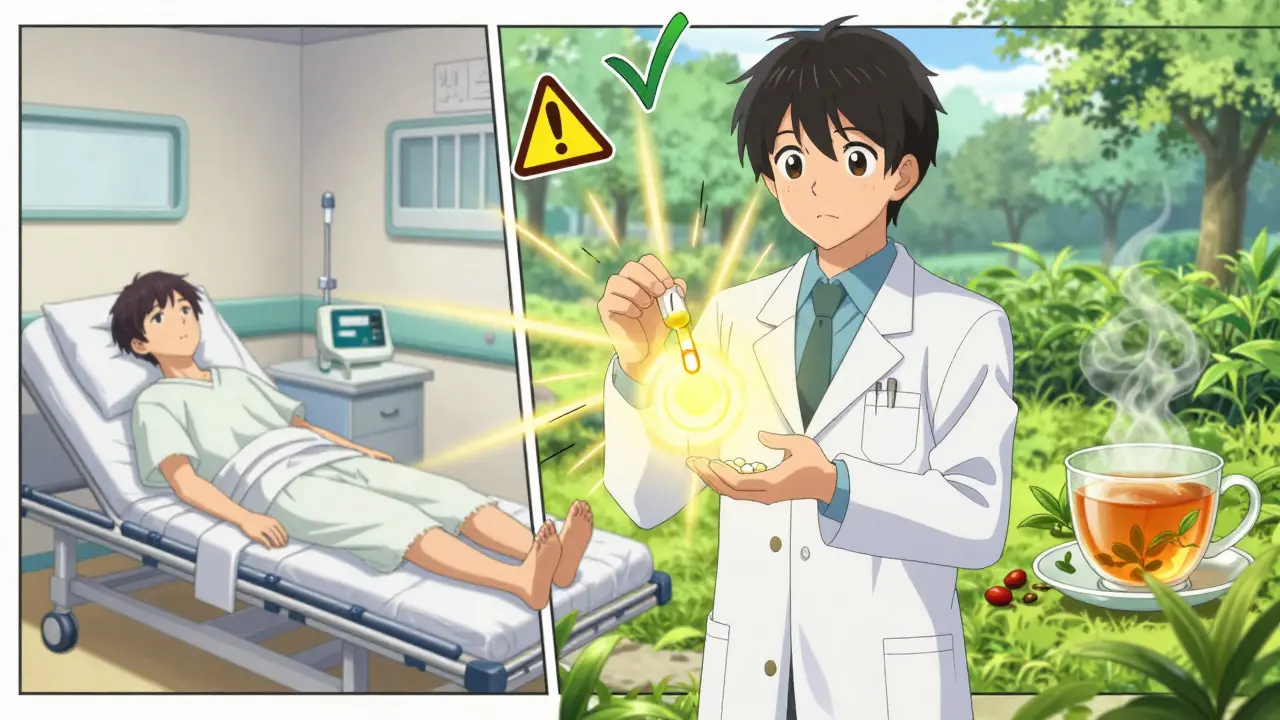
- Probiotic supplements: Look for strains like Lactobacillus and Bifidobacterium. No alcohol, no guesswork.
- Unsweetened kefir: Fermented dairy or plant-based. Usually under 0.5% ABV and more consistently tested.
- Apple cider vinegar drinks: Diluted with water and a touch of honey. No fermentation alcohol, just acidity and probiotics.
- Herbal teas: Ginger, peppermint, or hibiscus tea offer flavor and digestive support without any alcohol risk.
There’s no need to sacrifice wellness for safety. You can still support your gut without risking a dangerous reaction.

Andy Grace
December 22, 2025 AT 12:44I never realized kombucha had alcohol in it at all. I’ve been drinking it daily for my gut health, and I’m on sertraline. I’m gonna stop until I talk to my pharmacist. Thanks for laying this out so clearly.
Spencer Garcia
December 24, 2025 AT 00:14Pharmacist here. 9/10 patients don’t know kombucha counts as alcohol. Always ask. Always check the label. Even 0.3% can mess with metronidazole.
Abby Polhill
December 24, 2025 AT 00:42Y’all are acting like kombucha is moonshine. It’s not. It’s fermented tea with trace alcohol-like fruit juice left in the sun. But yeah, if you’re on meds that say ‘avoid alcohol,’ then yeah, skip it. But also, don’t panic. This isn’t a public health crisis, it’s a labeling issue.
Also, hard kombucha is beer. Stop pretending it’s health food. If it’s in the beer aisle, treat it like beer. Duh.
Austin LeBlanc
December 25, 2025 AT 01:20Wow. So you’re telling me people are drinking this like it’s sparkling water while on antidepressants? That’s not just dumb, that’s dangerous. Who lets their kid drink kombucha? I swear, wellness culture is just one step away from poison.
And homebrewers? You’re not a biochemist. Stop playing scientist. You’re not ‘crafting’ anything-you’re just making unpredictable booze.
Christine Détraz
December 25, 2025 AT 18:20My grandma drank kombucha every day for 15 years. She’s 87, still walks 5 miles, no meds. Maybe the problem isn’t the kombucha-it’s how we over-medicate everything these days.
I’m not saying ignore the science, but don’t let fear replace common sense. If you’re on metronidazole, don’t drink it. Fair enough. But if you’re on a low-dose SSRI and feel fine? Chill.
John Pearce CP
December 27, 2025 AT 10:48This is what happens when you let hippies ferment their own beverages without federal oversight. The FDA should have banned homemade kombucha decades ago. This isn’t ‘wellness’-it’s reckless self-experimentation disguised as culture. Americans need to stop treating their bodies like DIY science projects.
Ajay Sangani
December 28, 2025 AT 20:40Interesting. I drink kombucha daily. I am on metformin. I never felt anythin. But maybe i am lucky. Or maybe i am just not aware. I think we need more studies. Not fear. More data. Life is about balance, no? Not fear of every tiny thing.
Pankaj Chaudhary IPS
December 29, 2025 AT 04:22As a healthcare professional in India, I see similar issues with herbal supplements and traditional remedies. The global problem is not alcohol in kombucha-it’s the lack of patient education. Doctors and pharmacists must take responsibility to communicate risks clearly, not assume patients know. This post is a vital reminder.
Bhargav Patel
December 30, 2025 AT 04:53There’s a philosophical tension here: natural fermentation versus pharmaceutical regulation. Kombucha is a living food, shaped by microbial ecosystems-not a lab-produced chemical. But modern medicine treats all alcohol as equal, regardless of source or quantity. Is that reductionist? Perhaps. But when lives are at stake, reductionism might be the safer path.
Still, I wonder: if we regulated fermented foods like we regulate pharmaceuticals, would we lose something essential? Or would we just be less likely to end up in the ER?
Steven Mayer
December 31, 2025 AT 07:000.5% ABV is statistically negligible. The real issue is that people don’t understand pharmacokinetics. If your drug has a narrow therapeutic index, then yes, even trace ethanol matters. But if you’re on a standard SSRI and feel fine after kombucha, you’re not ‘at risk’-you’re just fine. Stop panic-marketing fear.
Joe Jeter
December 31, 2025 AT 13:13So you’re telling me a banana is more dangerous than kombucha because it has more alcohol? That’s the dumbest thing I’ve read all week. This article is fearmongering dressed up as science.
Sidra Khan
December 31, 2025 AT 13:31Also, why is everyone acting like kombucha is the only thing with trace alcohol? Pickle juice. Soy sauce. Vinegar. Bread. Even ripe fruit. Are we gonna ban all of it? 😅