
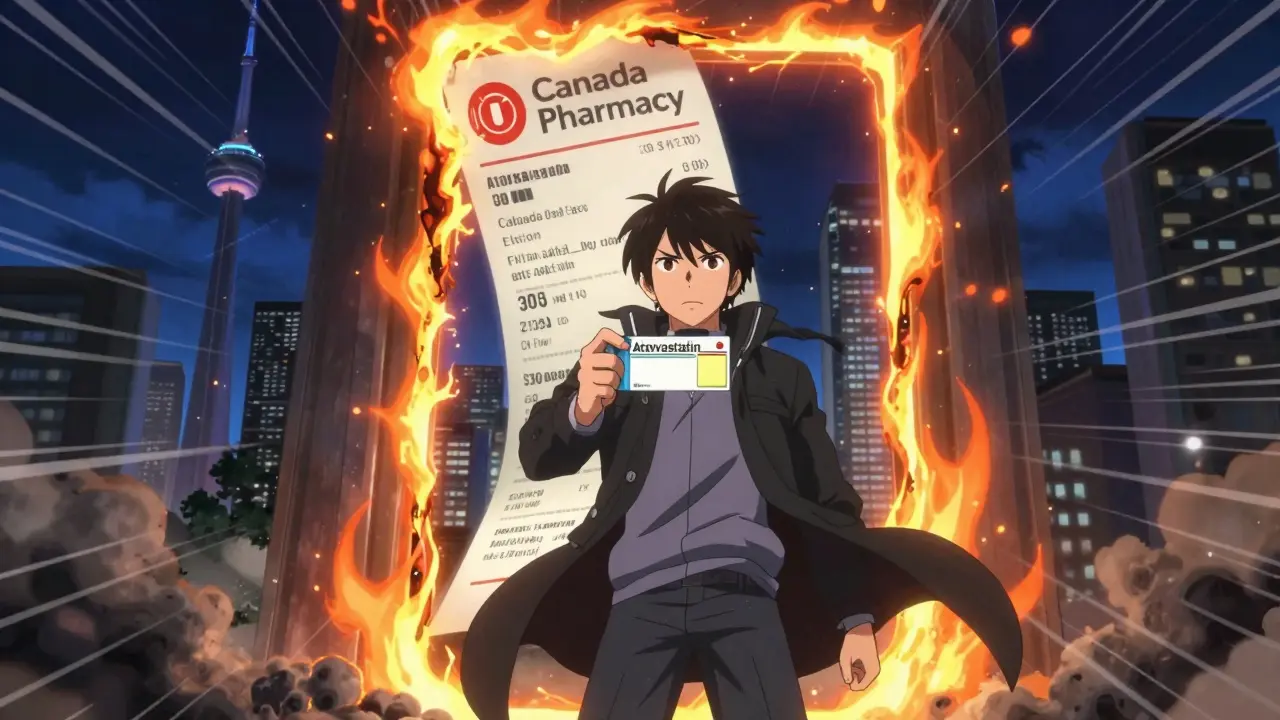
If you’ve ever stared at a pharmacy receipt for a generic pill and wondered why it costs $50 when you saw the same one online for $12, you’re not alone. Americans pay nearly three times more for the same generic drugs than people in Canada, the UK, or Germany. The reason isn’t that U.S. generics are better-they’re not. It’s because of how the system works. The U.S. doesn’t negotiate drug prices like other countries do. Instead, pharmacy benefit managers and insurers juggle rebates and discounts behind the scenes, leaving patients with the full sticker price. That’s why so many people are turning to international pharmacies to buy generics at a fraction of the cost.
Why Are U.S. Generic Drugs So Expensive?
It sounds backwards, but the U.S. actually has the lowest prices for generics among developed nations when you look at what insurers and government programs pay after rebates. The problem? You’re not paying what insurers pay. You’re paying the list price. A 30-day supply of generic atorvastatin (Lipitor) might cost $15 at a Medicare-participating pharmacy, but if you’re uninsured or your plan has a high deductible, you could be paying $80 or more at the counter. Meanwhile, in Canada, the same pill costs $10. In the UK, it’s $4. In Sweden, it’s $6. The difference isn’t about quality-it’s about pricing systems. Countries like Germany and France use reference pricing. They set a maximum price based on what the cheapest equivalent drug costs. If a brand-name drug costs more than the reference price, patients pay the difference. Generic manufacturers compete on price, and prices drop fast. The U.S. doesn’t do that. Instead, drugmakers set prices based on what the market will bear, and pharmacies don’t have the leverage to push back. That’s why a 2022 HHS report found U.S. brand-name drugs cost 422% more than elsewhere-but U.S. generics were actually cheaper than those in other countries when adjusted for rebates. The catch? You don’t see those rebates unless you’re covered by a large insurer or government program.Where Can You Actually Buy Cheaper Generics?
Not every country is safe or legal to buy from. But a few have established systems that make it possible-and relatively low-risk. Canada is the most common choice. Canadian pharmacies are tightly regulated by Health Canada, and many are accredited by the Canadian International Pharmacy Association (CIPA). Generic drugs sold there are the same as those made by U.S. manufacturers-just packaged differently. A 2024 state program in Florida found that patients saved an average of $427 per prescription by ordering from Canadian pharmacies. Vermont and Maine have seen similar results. The UK offers generics through the NHS at prices around 47% lower than U.S. list prices. But buying directly from UK pharmacies as a U.S. resident is trickier. Most don’t ship internationally. However, some accredited international pharmacies based in the UK do. India and Mexico are popular for their low prices, but they come with higher risks. India produces over 40% of the world’s generic drugs, and many U.S. pharmacies source their generics from there. But unregulated online sellers in India often sell counterfeit or substandard products. A 2023 FDA report found that 89% of seized counterfeit drugs came from India, China, and Canada. Mexico has stricter regulations than India, and some U.S. border towns have pharmacies that accept U.S. prescriptions. But again, not all are trustworthy. Sweden has the cheapest generics in Europe, thanks to its aggressive price controls. But you can’t just order from a Swedish pharmacy unless you’re a resident. The only way to access these prices is through a few accredited international pharmacies that source from Sweden.What’s the Real Risk?
The biggest fear isn’t that the drugs won’t work-it’s that they won’t be what they claim to be. The FDA inspected over 1,200 foreign drug factories in 2022 and found that 12.3% received a failing rating for quality control. That’s more than double the rate of U.S. facilities. Some of these factories supply U.S. pharmacies too, so the risk isn’t just abroad-it’s everywhere. But when you buy from an unverified website, you’re bypassing all safeguards. Temperature control is another hidden danger. Many medications-especially insulin, epinephrine, and some antidepressants-must be kept between 36°F and 46°F during shipping. The International Air Transport Association found that 20-25% of temperature-sensitive drugs experience excursions during international shipping. That means your pills might arrive warm, degraded, and less effective. One Reddit user reported that their generic sertraline from an Indian pharmacy had inconsistent tablet sizes and caused anxiety spikes. They had to see a doctor to get a new prescription. Counterfeit drugs are a real threat. The FDA seized over 15,000 packages of fake medications in 2023. Most came through international mail. Fake pills can contain nothing, or worse-they can contain fentanyl, rat poison, or industrial dyes. A 2024 study in JAMA Internal Medicine found that 9% of people who bought drugs online received counterfeit products.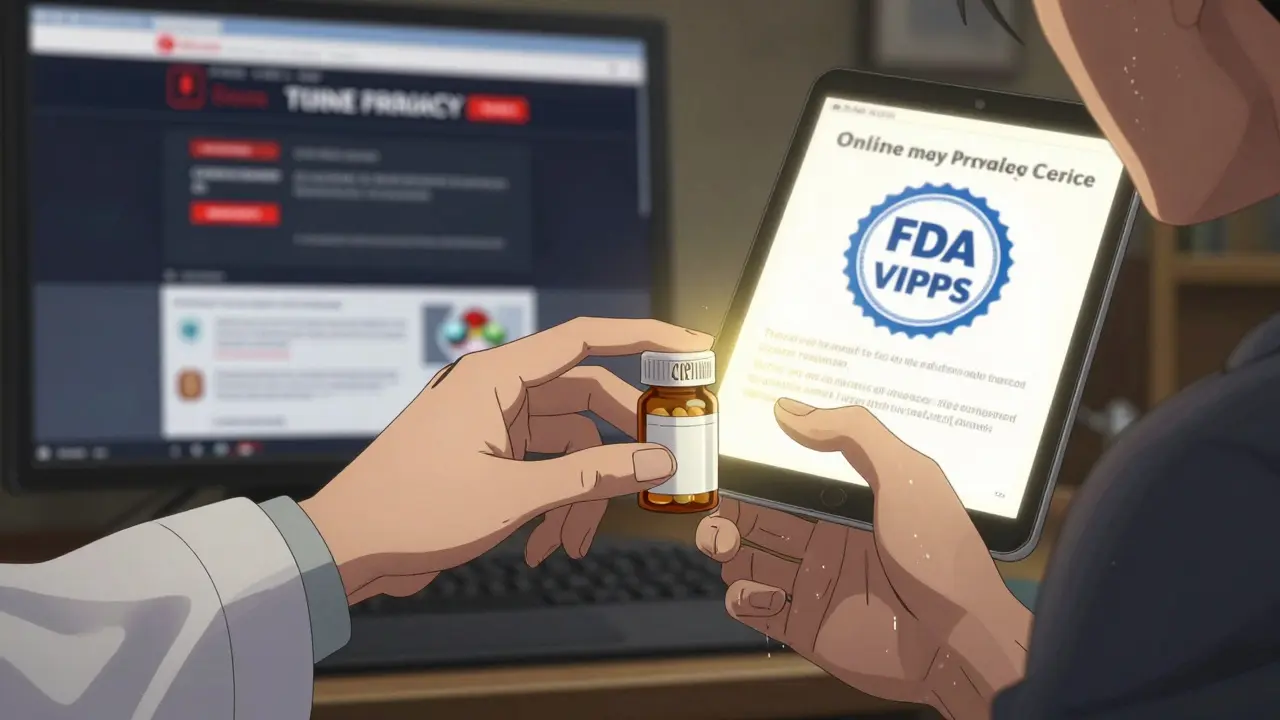
How to Buy Safely (If You Choose To)
You don’t have to risk your health to save money. Here’s how to do it right:- Only use accredited pharmacies. Look for the VIPPS (Verified Internet Pharmacy Practice Sites) seal from the National Association of Boards of Pharmacy. As of July 2024, only 63 international pharmacies had this accreditation.
- Check the pharmacy’s physical address. Legitimate ones list a real street address, phone number, and licensed pharmacist on staff. If it’s just a PO box or a website with no contact info, walk away.
- Require a prescription. Any pharmacy that sells prescription drugs without one is breaking U.S. law-and likely selling unsafe products.
- Verify the drug’s origin. Ask where the medication is manufactured. If they say “India” or “China,” dig deeper. Ask for a certificate of analysis or batch number you can verify.
- Stick to Canada. For most people, Canada is the safest bet. It’s close, regulated, and has a long history of supplying safe generics to the U.S.
What the Law Actually Allows
The FDA doesn’t ban importing drugs from abroad. They just don’t encourage it. Under “enforcement discretion,” you can legally import a 90-day supply of medication for personal use if:- You have a valid prescription from a U.S. doctor
- The drug isn’t available in the U.S. (rare for generics)
- The drug isn’t considered a safety risk
- You’re not reselling it

Real Savings, Real Stories
On Reddit, user “MedSaver87” said they saved $1,200 a year on generic atorvastatin by ordering from a CIPA-accredited Canadian pharmacy. They pay $15 for a 90-day supply instead of $135 in the U.S. The only downside? Shipping takes three weeks in winter. Another user in Ohio used the state’s new importation program to get generic metformin for $8 instead of $89. “I was choosing between my pills and my groceries,” they said. “Now I can afford both.” But not everyone has a good experience. Trustpilot reviews of international pharmacies show a 3.8 out of 5 average rating. About 38% of users complained about delays, language barriers on packaging, or difficulty returning bad products. One woman in Texas received generic lisinopril with instructions in Mandarin. She had to use Google Translate to figure out the dosage.Is It Worth It?
If you’re paying full price for a generic drug and can’t afford it, buying from a verified international pharmacy can be life-changing. For some, it’s the difference between taking their medication or skipping doses. The savings are real-on average, people report 58% cost reductions for the same generic drugs. But it’s not a free-for-all. You can’t just click any website and hope for the best. The risks are real: counterfeit pills, degraded medication, customs seizures, and no recourse if something goes wrong. The safest path is through state programs or accredited international pharmacies with U.S. oversight. The truth is, the U.S. system is broken. We pay more for the same drugs because we don’t regulate prices. Until that changes, people will keep looking abroad. The question isn’t whether you can save money-it’s whether you can do it safely. And with the right steps, you can.Is it legal to buy generic drugs from other countries?
Yes, under certain conditions. The FDA allows individuals to import a 90-day personal supply of medication if it’s for personal use, not resale, and doesn’t pose an imminent health risk. You must have a valid U.S. prescription. While the FDA doesn’t prosecute individuals, they do block shipments and shut down unlicensed websites. State-run importation programs (like Florida’s) are fully legal and regulated.
Are generic drugs from other countries the same as U.S. ones?
Often, yes. Many U.S. generics are manufactured in the same factories as those sold abroad. The active ingredients are identical. The difference is in packaging, labeling, and sometimes inactive fillers. Countries like Canada and the UK have strict quality controls. But unregulated online sellers may sell counterfeit or substandard versions. Always verify the pharmacy’s credentials and ask where the drug is made.
Can temperature changes ruin my medication?
Yes. Medications like insulin, epinephrine, and some antidepressants are sensitive to heat and cold. The International Air Transport Association found that 20-25% of temperature-sensitive drugs experience excursions during international shipping. If your pills arrive warm or frozen, they may lose potency. Always choose a pharmacy that uses temperature-controlled shipping and provides tracking.
How do I know if a pharmacy is safe?
Look for the VIPPS seal from the National Association of Boards of Pharmacy. Only 63 international pharmacies had this accreditation as of July 2024. Also check for a physical address, licensed pharmacist on staff, and a requirement for a U.S. prescription. Avoid websites that sell without a prescription or offer “miracle cures.”
What’s the difference between Canada and India for buying generics?
Canada has strict drug regulations and is geographically close to the U.S., making it the safest option. Indian manufacturers produce many U.S. generics, but unregulated Indian online pharmacies often sell counterfeit or low-quality products. The FDA seized 89% of counterfeit drugs from India, China, and Canada. Stick to accredited Canadian pharmacies unless you’re certain about an Indian vendor’s legitimacy.
Can I get in trouble for ordering drugs online?
Individuals rarely face legal consequences for importing a personal supply of medication. The FDA focuses on shutting down illegal websites, not prosecuting patients. But your package might be seized at customs, especially if it lacks proper documentation. Using a state importation program or accredited pharmacy reduces this risk significantly.
Why don’t more people buy drugs abroad if it’s so cheap?
Because it’s confusing and scary. Many people don’t know where to start. Others fear counterfeit drugs or customs delays. A 2023 JAMA survey found that while 78% of Americans would consider buying from Canada, only 12% actually did. Legal uncertainty, lack of trust, and poor information are bigger barriers than cost.
Are there any state programs I can use?
Yes. Florida, Vermont, Maine, Maryland, and Colorado have approved state importation programs that buy generic drugs directly from Canadian wholesalers and distribute them to residents. These programs are legal, regulated, and have saved patients hundreds per prescription. Check with your state health department to see if you qualify.


Juan Reibelo
January 24, 2026 AT 20:51Canada’s the only safe bet, honestly. I’ve ordered from CIPA-accredited pharmacies for years-same pills, same batch numbers, just different packaging. Saved me $600/year on my blood pressure med. Shipping takes forever in winter, but hey, I’m not dying for a faster delivery.
siva lingam
January 25, 2026 AT 07:34Shelby Marcel
January 26, 2026 AT 10:45Sushrita Chakraborty
January 27, 2026 AT 00:54While the cost disparity is undeniably troubling, it is imperative to recognize that regulatory frameworks exist for a reason. The pharmaceutical supply chain, particularly across international borders, is fraught with risks that extend beyond financial savings. Quality assurance, cold-chain logistics, and pharmacovigilance are not mere bureaucratic hurdles-they are lifelines. Prioritizing safety over savings is not naivety; it is responsibility.
Shanta Blank
January 28, 2026 AT 19:59So let me get this straight-we’re supposed to trust some sketchy website that ships pills from a warehouse in Mumbai that probably uses a cat as a quality control inspector? Meanwhile, my $89 metformin is just a fancy placebo made by Big Pharma’s cousin who also runs a crypto mining rig? I’m not buying it. Or literally anything from the internet anymore. I’ve seen too many Reddit threads where people wake up with blue fingers from fake insulin. I’d rather eat a whole bag of Doritos and die slowly than risk my liver to a 12-dollar pill.
Kevin Waters
January 29, 2026 AT 15:56Really helpful breakdown. I’ve been using a VIPPS-accredited Canadian pharmacy for my generic statin and it’s been smooth sailing. Took 3 weeks once during a snowstorm, but the pills were perfect. My pharmacist even helped me verify the batch number. If you’re thinking about it, start with your local pharmacy-they often know which international ones are legit. Also, check your state’s import program if you’re in FL, ME, or VT. It’s a game-changer.
Himanshu Singh
January 30, 2026 AT 05:22Jamie Hooper
February 1, 2026 AT 01:57Husain Atther
February 2, 2026 AT 04:16The global pharmaceutical market operates under vastly different economic models. In nations with universal healthcare systems, pricing is negotiated collectively, reducing individual burden. The U.S. model, by contrast, privatizes risk and externalizes cost. While international sourcing offers temporary relief, systemic reform remains essential. Until then, informed consumerism is our most reliable tool.
Helen Leite
February 2, 2026 AT 14:16Marlon Mentolaroc
February 4, 2026 AT 08:11Let’s be real-the real villain here isn’t the Canadian pharmacy, it’s the PBMs. They’re the middlemen who take 30% of the drug’s price and call it ‘rebates.’ You think the $80 you pay is what the drug costs? Nah. The pharmacy gets $15, the PBM pockets $24, and the rest goes to ‘administrative costs.’ Meanwhile, you’re left holding the bag. Fix the middlemen, not the patients.
Gina Beard
February 6, 2026 AT 00:24Don Foster
February 6, 2026 AT 14:35