Medication Side Effect Checker
Check Your Symptoms
Select any symptoms you're experiencing after starting a new medication. This tool helps identify urgent symptoms that require immediate medical attention.
Select symptoms to see guidance
When you take a new medication, you expect it to help - not hurt. But some side effects aren’t just annoying. They can be deadly. And they often start quietly, long before you realize something’s seriously wrong. The difference between a mild headache and a life-threatening reaction? Timing. Speed. And knowing what to look for.
What Makes a Side Effect Dangerous?
Not all side effects are the same. Most people experience minor ones: a dry mouth, drowsiness, or a stomach upset. These are common. The FDA says about 35% of people taking prescription meds deal with these kinds of reactions. They’re uncomfortable, sure - but not dangerous. Dangerous side effects are different. They’re rare - affecting only about 0.1% of medication courses - but they cause nearly 7% of all hospital admissions in the U.S. These are the reactions that can shut down your organs, trigger a heart attack, or stop your breathing. The FDA defines them as events that lead to death, hospitalization, disability, or permanent damage. That’s not a small risk. It’s a silent threat hiding in plain sight.Red Flags That Need Immediate Action
Some symptoms don’t wait. If you experience any of these after taking a new medication - even if it’s been just an hour - get help right away:- Difficulty breathing or tightness in your throat
- Swelling of your face, lips, tongue, or throat
- Hives or a sudden, widespread rash
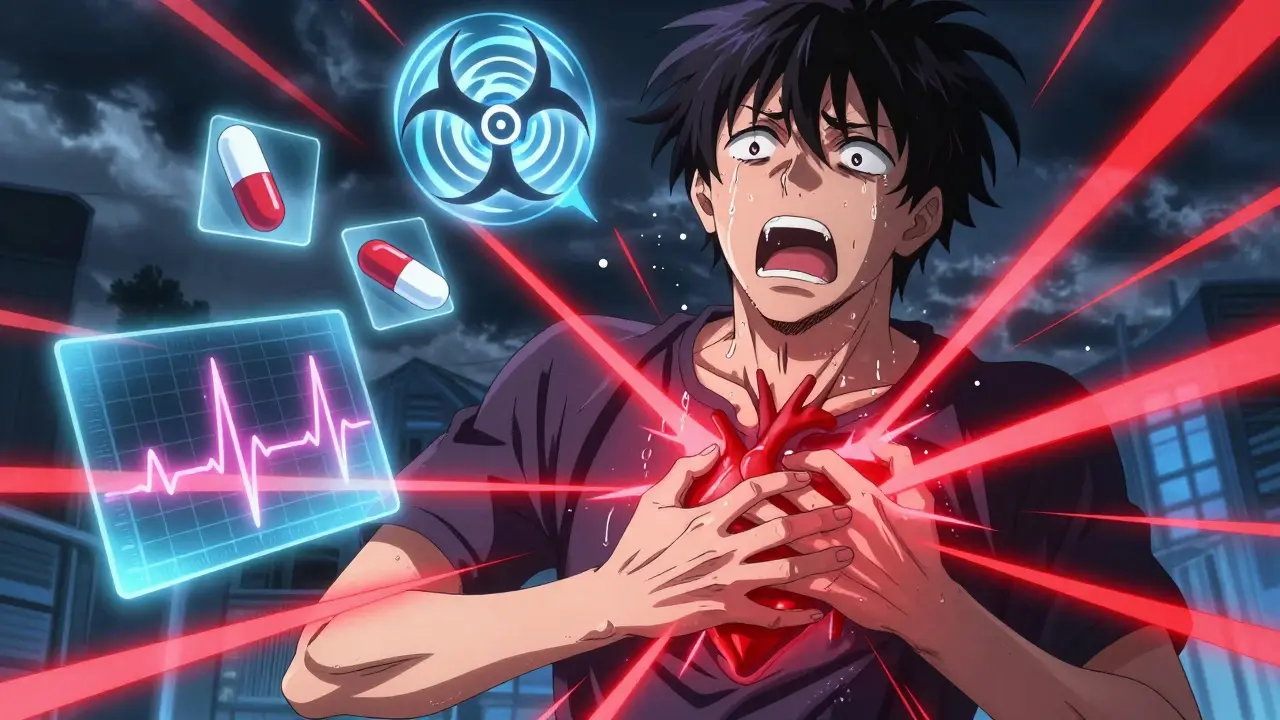
- Chest pain or a heartbeat that feels like it’s racing (over 100 beats per minute)
- Unusual bleeding - nosebleeds, blood in urine or stool, bruises without injury
- Seizures or convulsions
- Severe vomiting or diarrhea, especially if it’s bloody
- Dizziness, confusion, or fainting - especially if you’re on opioids or benzodiazepines
Hidden Dangers: Symptoms That Creep Up Slowly
Not all dangerous reactions come with a siren. Some sneak in over days or weeks. These are harder to spot - which makes them more dangerous.- Yellow skin or eyes (jaundice) - This isn’t just a sign of being tired. It means your liver is struggling. Medications like semaglutide (Ozempic, Wegovy) or methotrexate can cause liver damage or pancreatitis. When jaundice shows up with severe stomach pain, you’re looking at a medical emergency. Left untreated, this can kill you in 24 to 48 hours.
- Extreme fatigue, pale skin, shortness of breath - These could mean drug-induced anemia. Your body isn’t making enough red blood cells. Your heart has to work harder just to keep you alive.
- Decreased urine output, swollen legs, confusion - These are signs your kidneys are failing. Medications like NSAIDs, certain antibiotics, or even some blood pressure pills can cause kidney damage. You might not feel pain - just exhaustion and swelling.
- High fever, swollen lymph nodes, rash that spreads - This could be DRESS syndrome. It’s rare, but deadly. It attacks your skin, liver, and blood. It often starts with what looks like a simple rash - then turns into full-body inflammation.
- Unexplained weight gain, fluid retention, swollen ankles - This can signal heart or kidney problems triggered by medications. It’s easy to ignore - until you can’t breathe lying down.
Who’s at Highest Risk?
Some people are more vulnerable. If you fall into any of these groups, pay extra attention:- People over 65 - Your body processes drugs slower. The American Geriatrics Society says seniors experience side effects 2.7 times more often than younger adults.
- People taking five or more medications - Polypharmacy is the silent killer. When drugs interact, they can create dangerous side effects you didn’t know were possible. About 44% of older adults are on five or more meds. That’s a recipe for disaster if no one’s checking.
- People with kidney or liver disease - Your body can’t clear toxins the way it should. Even normal doses can become toxic.
- People with known allergies - If you’ve had a reaction to one drug, you’re more likely to react to another - even if it’s in a different class.
What to Do When You Notice a Problem
Knowing the signs is only half the battle. What you do next saves lives.- If you have breathing trouble, swelling, or hives - call 911 immediately. Don’t wait. Don’t drive yourself. Anaphylaxis can kill in minutes.
- If you have jaundice, chest pain, unusual bleeding, or seizures - go to the ER. These aren’t “call your doctor tomorrow” situations. They’re “right now” emergencies.
- If you have fatigue, swelling, or changes in urine - call your doctor within 24 hours. Don’t wait a week. Don’t assume it’s nothing. Get it checked.
- Never stop your medication cold turkey. Stopping beta-blockers, antidepressants, or steroids suddenly can trigger heart attacks, seizures, or extreme withdrawal. Always talk to your provider first.
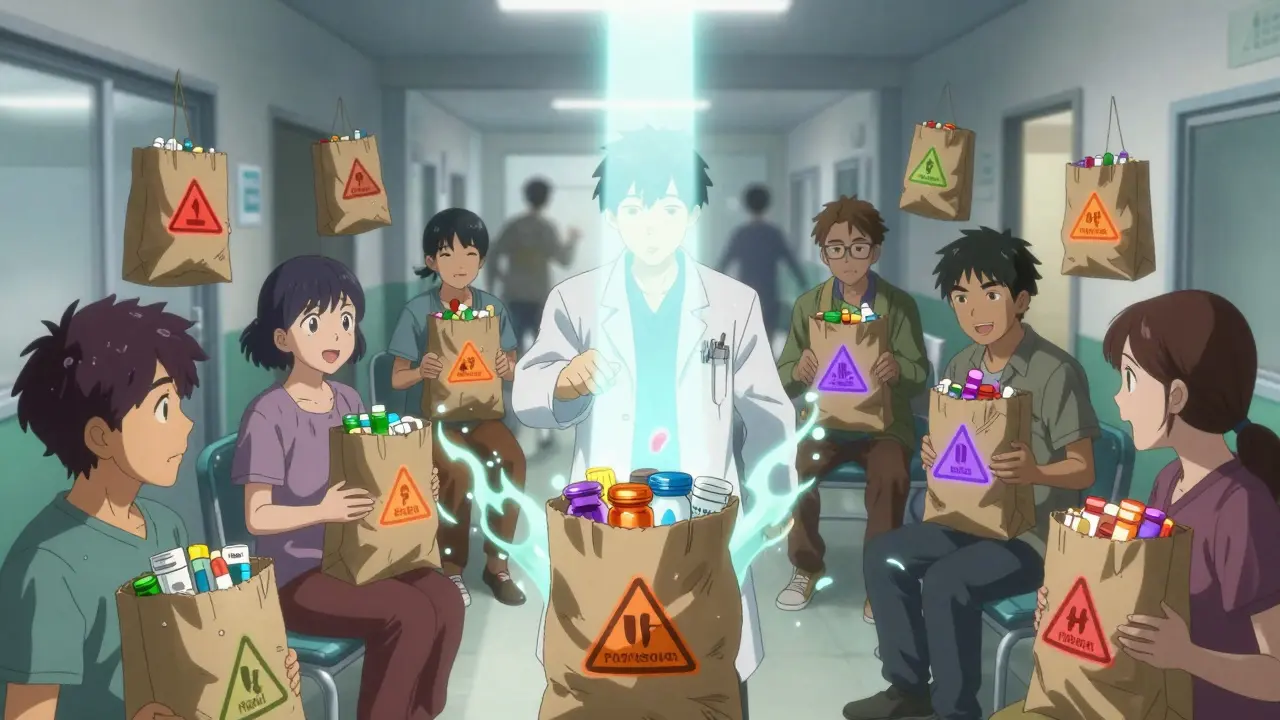
New Tech Is Helping - But You Still Need to Be Alert
There’s progress. The FDA now requires real-time safety monitoring for high-risk drugs. Hospitals use AI to predict who’s at risk. The NIH is using genetic testing to see who might react badly to certain meds - and it’s cutting severe reactions by nearly half. But tech doesn’t replace vigilance. Your body still gives you the signals. The AI can’t feel your chest tighten. It can’t see the yellow in your eyes. It can’t hear your breath turn shallow. You are the first line of defense.What to Track Between Appointments
Keep a simple log. Just write down:- What you took - name, dose, time
- What you felt - new symptoms, changes in energy, sleep, appetite
- When it started - within hours? Days? Weeks?
- Did it get worse?
Final Thought: Your Body Knows Before You Do
Medications save lives. But they can also end them - quietly, quickly, and without warning. The most dangerous side effects don’t always come with a warning label. They come with a feeling: something’s wrong. Trust that feeling. Don’t second-guess it. Don’t wait to see if it passes. If you feel off - really off - after starting a new drug, act fast. Call. Go. Ask. Push. Because in medicine, timing isn’t just important. It’s everything.What are the most common dangerous side effects of medications?
The most common dangerous side effects include severe allergic reactions (anaphylaxis), internal bleeding, irregular heartbeat, liver or kidney damage, seizures, and pancreatitis. These are rare but life-threatening. Anaphylaxis causes swelling and breathing trouble, while liver damage may show as yellow skin or dark urine. Bleeding can appear as blood in stool or unexplained bruising. Heart issues often feel like chest pain or a racing pulse. All require immediate medical attention.
How soon after taking a medication do dangerous side effects appear?
Life-threatening reactions like anaphylaxis usually happen within minutes to an hour after taking the drug. But some, like liver damage or DRESS syndrome, can take days or even weeks to show up. That’s why it’s important to watch for new symptoms for at least a few weeks after starting a new medication - even if you felt fine at first.
Can over-the-counter drugs cause dangerous side effects?
Yes. Many people assume OTC meds are safe, but that’s not true. High doses of NSAIDs like ibuprofen can cause stomach bleeding or kidney damage. Acetaminophen (Tylenol) can cause liver failure if taken in excess. Even allergy pills or sleep aids can interact with prescription drugs and cause dizziness, confusion, or heart rhythm problems. Always check with your pharmacist before mixing OTC and prescription meds.
Should I stop taking my medication if I think I’m having a side effect?
Never stop a prescribed medication without talking to your doctor. Stopping suddenly can cause withdrawal symptoms that are just as dangerous - like seizures from stopping antidepressants, or a spike in blood pressure from stopping beta-blockers. Instead, call your provider, describe your symptoms, and follow their advice. They may tell you to stop, lower the dose, or switch meds - but only they can make that call safely.
How can I reduce my risk of dangerous medication side effects?
Keep a list of all your meds - including supplements and OTC drugs - and review it with your doctor every few months. Ask if any drug can be removed or replaced. Avoid taking more than five medications if possible. Get genetic testing if you’re on high-risk drugs like carbamazepine or warfarin. Use the Brown Bag Method to show your pharmacist everything you take. And always report new symptoms - no matter how small they seem.