
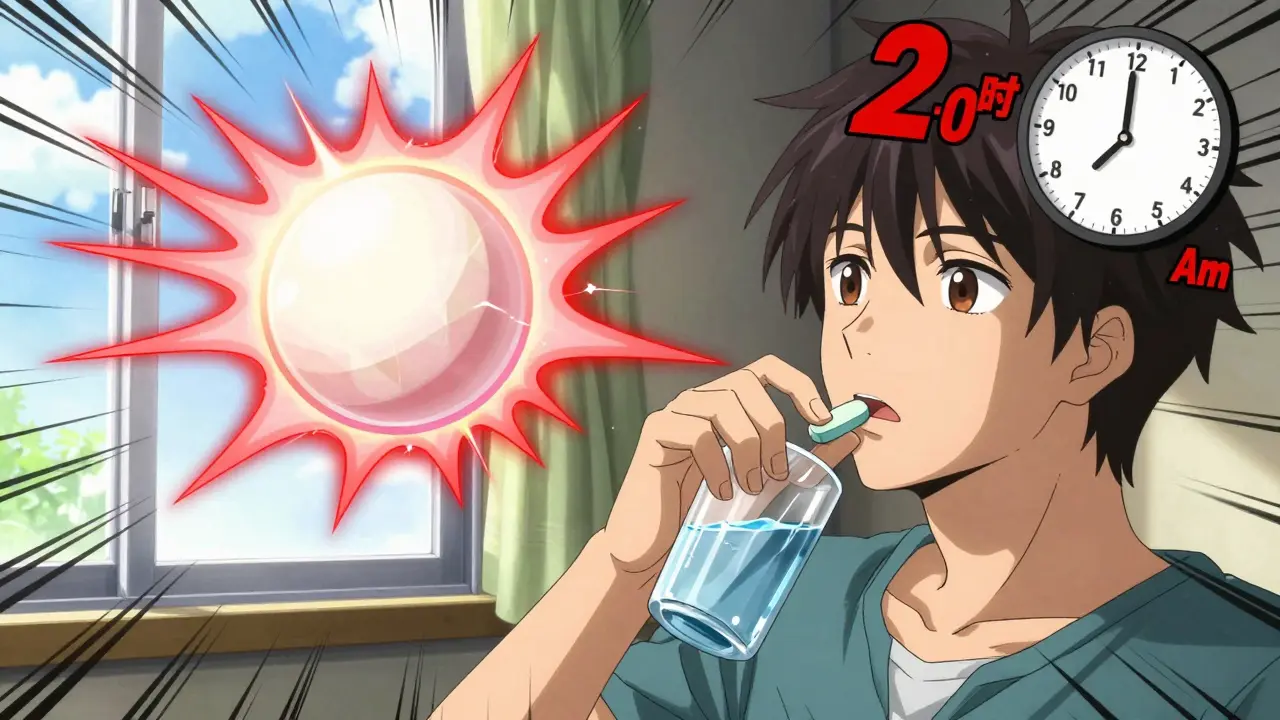
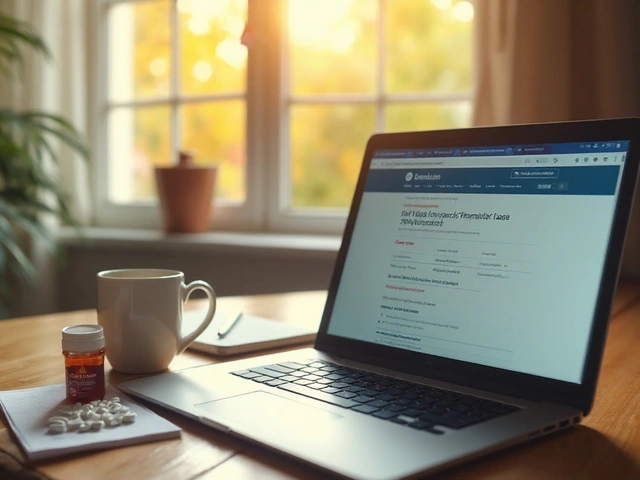
When you're managing osteoporosis with a daily bisphosphonate like Fosamax or Actonel, every detail matters. One small mistake-taking your magnesium supplement too close to your osteoporosis pill-can wipe out nearly half the benefit of your treatment. This isn't speculation. It's backed by clinical data, FDA warnings, and real patient outcomes. And yet, 37% of people taking both don't even know they're at risk.
Why Magnesium and Bisphosphonates Don't Mix
Bisphosphonates are the backbone of osteoporosis treatment. These drugs-like alendronate (Fosamax), risedronate (Actonel), and ibandronate (Boniva)-work by slowing down bone loss. But they're picky about how they're absorbed. They need an empty stomach, plain water, and no other minerals in the way. Magnesium, whether from a supplement, antacid, or even a laxative, binds tightly to these drugs in your gut. The result? An insoluble complex that your body can't absorb. Think of it like mixing oil and water. The two just won't work together. Studies show that when magnesium is taken within two hours of a bisphosphonate, absorption drops by 40-60%. That means instead of getting the full dose your doctor prescribed, you might be getting less than a quarter of it. The National Institutes of Health confirms that under ideal conditions, bisphosphonates only absorb 0.6-12% of the dose. Add magnesium, and that number plummets to near zero.The 2-Hour Rule: What Science Says
There's no gray area here. Every major medical authority agrees: you must separate magnesium and bisphosphonates by at least two hours. The FDA's prescribing info for Fosamax spells it out clearly. The Journal of Bone and Mineral Research reviewed 17 clinical trials and found consistent, significant drops in drug absorption when magnesium was present. The American Society for Bone and Mineral Research calls this interaction a "common but correctable" cause of treatment failure. It's not just supplements. Many over-the-counter products contain magnesium:- Milk of Magnesia: 800 mg per 5 mL
- Antacids like Maalox or Mylanta
- Laxatives like Phillips' Stool Softener
- Some bottled waters (San Pellegrino has 51 mg/L)
What About Food? Do I Need to Avoid Spinach?
No. You don’t need to stop eating magnesium-rich foods like spinach, almonds, or black beans. The issue isn't dietary magnesium-it's supplemental or medicinal magnesium in concentrated doses. Your body naturally regulates how much it absorbs from food. But when you take a 400 mg pill, you're overwhelming that system. A 2023 position statement from the American College of Rheumatology specifically dismissed claims that "natural sources" don't require timing rules. The science doesn't support it.
Real Patients, Real Consequences
On Reddit’s r/Osteoporosis, a user named BoneBuilder87 wrote: "I fractured my wrist after taking magnesium for restless legs at the same time as Fosamax for six months. My bone density scan showed zero improvement." That’s not an isolated story. A 2022 survey by the National Osteoporosis Foundation found that 22% of patients were taking both medications at the same time-unknowingly. The stakes are high. When bisphosphonates don’t work, bone density keeps dropping. Fracture risk climbs. A 2021 study in the Journal of Clinical Endocrinology & Metabolism found patients who followed the timing rule improved their spine bone density by 8.2% more over two years than those who didn’t. That’s not just a number-it’s the difference between staying on your feet and ending up in a hospital.How to Get It Right: The 5-Step Protocol
Here’s what works, based on guidelines from JAMA Internal Medicine and the Institute for Healthcare Improvement:- Take your bisphosphonate first thing in the morning with 8 oz of plain water. No coffee, juice, or milk.
- Wait 30 minutes before eating, drinking, or taking any other medication. This lets the drug absorb before food interferes.
- Wait another 90 minutes (so 2 full hours after the bisphosphonate) before taking magnesium.
- Take your magnesium supplement with food to reduce stomach upset.
- Write it down. Use a simple log: "7:00 AM-Fosamax, 9:30 AM-Magnesium."
What About IV Bisphosphonates?
If you’re on zoledronic acid (Reclast) or another intravenous bisphosphonate, you don’t need to worry. These drugs go straight into your bloodstream. No gut absorption means no magnesium interference. But if you’ve ever switched from oral to IV, double-check with your doctor. Some patients are on both during transition periods.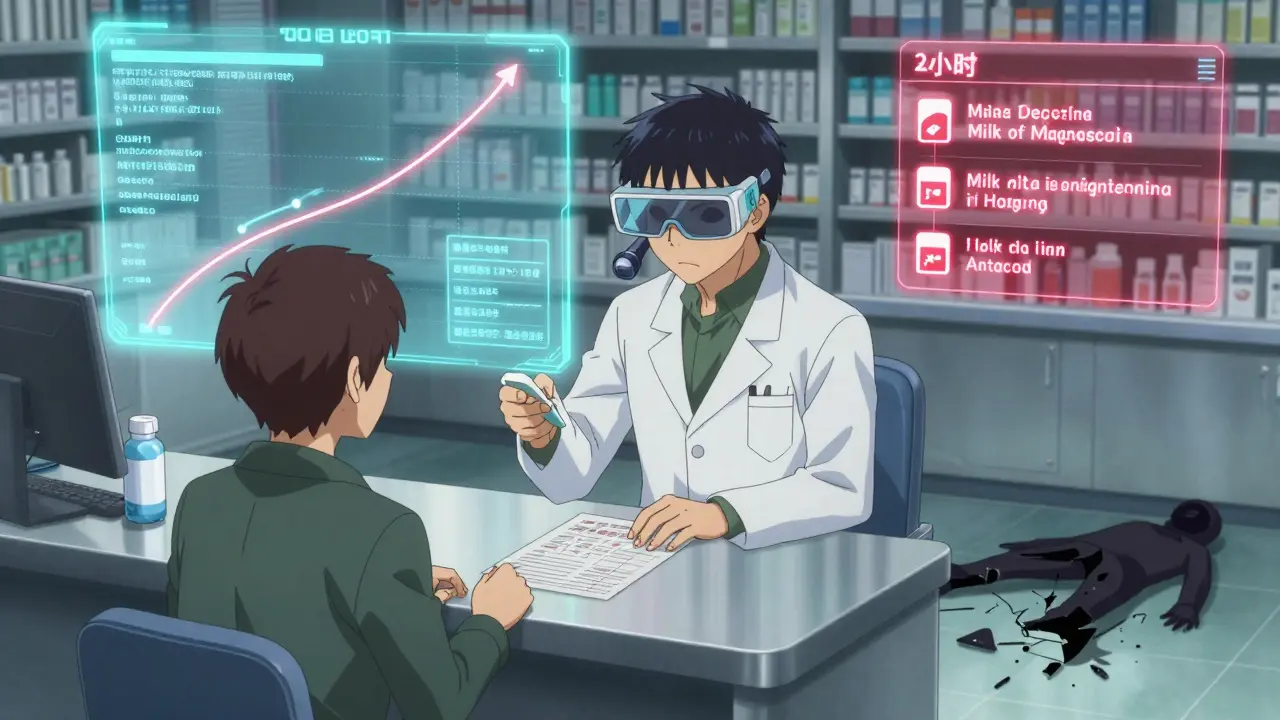
What’s Changing in 2026?
The system is catching up. Since 2023, the FDA has required all bisphosphonate and magnesium supplement labels to include a clear warning: "Take at least 2 hours apart." Full implementation is still rolling out, but you’ll see it on packaging now. Electronic health records like Epic and Cerner automatically flag this interaction when a doctor prescribes both. Pharmacies are required to counsel patients on this interaction before dispensing. A Mayo Clinic pilot study with smart pill bottles that beeped reminders hit 92% adherence. That’s the future. But right now, you still have to be your own advocate.What If You Made a Mistake?
If you accidentally took magnesium and your bisphosphonate together, don’t panic. Skip the next dose of your bisphosphonate. Wait 24 hours. Then resume your schedule with strict separation. Never double up to "make up" for a missed dose-it increases side effects without improving results.Ask Your Pharmacist
Pharmacists are your best allies here. They see your full medication list. Ask them: "Do any of my supplements or OTC meds contain magnesium?" They’ll check everything-even the cough syrup or sleep aid you never thought twice about. Since 2020, pharmacist consultations about this interaction have jumped by 28%. They’re trained to catch it.Can I take magnesium at night if I take my bisphosphonate in the morning?
Yes, if you wait at least two full hours after your bisphosphonate. For example, if you take Fosamax at 7:00 AM, you can take magnesium at 9:30 AM or later. Taking it at night is fine, as long as the 2-hour gap is respected. Many patients find it easiest to take their bisphosphonate in the morning and magnesium at bedtime.
What if I take a calcium supplement instead of magnesium?
Calcium has the same problem. Like magnesium, it binds to bisphosphonates and blocks absorption. The same 2-hour rule applies. You should take calcium supplements at least 2 hours after your bisphosphonate-or better yet, get calcium from food like dairy, leafy greens, or fortified plant milks.
Is there a type of bisphosphonate that doesn’t interact with magnesium?
Only intravenous bisphosphonates like Reclast or Zometa. These bypass the digestive system entirely, so no interaction occurs. All oral bisphosphonates-Fosamax, Actonel, Boniva, and others-have this interaction. There are no exceptions.
How do I know if my magnesium supplement is too close to my osteoporosis pill?
If you took them within 2 hours of each other, it’s too close. The interaction happens fast. Even a 30-minute gap can cut absorption by 30%. There’s no safe window shorter than two hours. Use a timer or phone alarm to be sure.
Can I take magnesium with my bisphosphonate if I skip a meal?
No. Food doesn’t fix this. The problem is chemical: magnesium ions bind directly to the bisphosphonate molecule. It doesn’t matter if your stomach is empty or full. Only time separation works. Skipping a meal won’t help-only waiting two hours after the drug will.
If you’re managing osteoporosis, your treatment plan is more than just a pill. It’s a daily rhythm. Get the timing right, and you’re protecting your bones. Get it wrong, and you’re risking fractures you never had to face. Don’t guess. Don’t assume. Ask. Write it down. Set the alarm. Your future self will thank you.


Shivam Pawa
March 3, 2026 AT 23:16Also-pharmacists are your real MVPs. Talk to them. They see all your meds. Not your doctor. Not your app. Them.
Tildi Fletes
March 5, 2026 AT 00:50Siri Elena
March 5, 2026 AT 07:09Chris Beckman
March 6, 2026 AT 17:36tatiana verdesoto
March 8, 2026 AT 17:31Ethan Zeeb
March 9, 2026 AT 02:03Diane Croft
March 10, 2026 AT 10:45Donna Zurick
March 10, 2026 AT 23:30Raman Kapri
March 11, 2026 AT 13:36Tobias Mösl
March 11, 2026 AT 16:16Gretchen Rivas
March 12, 2026 AT 07:44