

When you're planning a pregnancy or already pregnant, your OB/GYN isn’t just checking on your baby’s heartbeat-they’re also reviewing every pill, supplement, and drop you’re taking. It’s not about being judged. It’s about safety. Around 90% of pregnant women in the U.S. take at least one medication during pregnancy, according to the CDC. That includes things you might not think of as "medications"-like herbal teas, fish oil, or even that daily vitamin with extra iron. But here’s the truth: what you take matters just as much as what you eat. And if you don’t come prepared, you risk missing out on critical advice-or worse, accidentally using something that could harm your baby.
Why This Conversation Can’t Wait
Your OB/GYN doesn’t just want to know what you’re taking. They need to know exactly what you’re taking. A simple "I take a multivitamin" isn’t enough. Why? Because not all prenatal vitamins are the same. Some have high doses of vitamin A, which can be dangerous in early pregnancy. Others might include herbs like dong quai or black cohosh-plants that can trigger contractions. Even something as common as ibuprofen can be risky after 20 weeks. The American College of Obstetricians and Gynecologists (ACOG) says all medications, including over-the-counter ones and supplements, must be reviewed during prepregnancy counseling. That’s not a suggestion. It’s a standard.And it’s not just about pregnancy. If you’re breastfeeding, the same rules apply. Medications don’t disappear after birth. They pass into breast milk. Some are safe. Others aren’t. A 2022 study found that 68% of women continue taking medications for chronic conditions like thyroid disease, depression, or high blood pressure during breastfeeding. But without clear guidance, many women stop their meds out of fear-putting their own health at risk.
What to Bring to Your Appointment
You don’t need to memorize everything. Just write it down. Start at least 72 hours before your appointment. Here’s what to include:- Prescription drugs: Exact name, dose, how often, and why you take it. Example: Levothyroxine 75 mcg, one pill daily for hypothyroidism.
- Over-the-counter (OTC) meds: Ibuprofen, acetaminophen, antacids, sleep aids, cold pills. Don’t skip these. Many women think "natural" means safe. It doesn’t.
- Supplements: Prenatal vitamins, iron, calcium, omega-3s, vitamin D, magnesium. Include brand names. Some brands have hidden ingredients.
- Herbal products: Chamomile tea, ginger capsules, St. John’s Wort, evening primrose oil. Yes, even tea counts. St. John’s Wort can cut the effectiveness of birth control by half. Evening primrose oil has been linked to early labor.
- Recreational substances: Alcohol, nicotine, cannabis. These are hard to talk about-but your OB/GYN needs to know. If you use medical marijuana, they need to know the strain and dosage. The FDA and ACOG now require providers to screen for cannabis use during pregnancy. Only 38% of OB/GYNs do it regularly, but you shouldn’t wait for them to ask.
Pro tip: Take photos of your medicine bottles with your phone. That way, if you forget a name or dose, you’ve got a visual backup. One patient on Reddit shared that her OB/GYN printed her spreadsheet of supplements and kept it in her file. That’s the kind of prep that makes a difference.
Key Questions to Ask
Don’t wait until the last five minutes of your appointment to ask. Bring your list and these questions:- "Is this medication safe during pregnancy and breastfeeding?" Especially if you’ve been taking it for years. Some meds, like certain antidepressants or blood pressure drugs, are safe. Others aren’t.
- "What’s the safest alternative if this isn’t recommended?" For example, if you take ibuprofen for headaches, ask about acetaminophen. If you’re on a statin for cholesterol, find out if it’s safe to pause until after delivery.
- "Do I need to stop this before trying to conceive?" Some medications, like acne treatments (Accutane) or certain arthritis drugs, require a waiting period of months before pregnancy.
- "Will this affect my fertility?" Even if you’re not trying right now, knowing how a medication impacts ovulation or sperm health matters.
- "Is there a pregnancy registry for this drug?" Some medications have tracking programs where women report outcomes. It helps future moms get better data.
One thing most women don’t ask: "What happens if I don’t take this?" For example, if you’re on thyroid medication and stop because you’re scared, your baby could face developmental delays. The risks of stopping often outweigh the risks of continuing.

What Your OB/GYN Isn’t Telling You (But Should)
Here’s the uncomfortable truth: OB/GYNs are experts in reproductive health, not pharmacology. They know which drugs are teratogenic (harmful to a developing baby). But when you’re on five or more medications-for diabetes, asthma, depression, autoimmune disease-they may not have all the answers. That’s why they refer complex cases to women’s health pharmacists. About 65% of OB/GYNs do this when patients take four or more drugs. Don’t be surprised if they say, "Let me get you in touch with a specialist." It’s not a dismissal. It’s care.Also, don’t assume your OB/GYN knows about the latest updates. In July 2023, ACOG expanded its guidelines to include detailed discussions about CBD and medical marijuana. Many clinics are still catching up. If you use cannabis for pain or anxiety, bring up the topic yourself. Don’t wait for them to ask.
Common Mistakes and How to Avoid Them
- Mistake: "I didn’t think it counted." Solution: If it’s not food, assume it’s a medication. Even your daily ginger tea or turmeric capsule.
- Mistake: "I forgot to mention my supplement." Solution: Keep your list on your phone. Review it every Monday morning.
- Mistake: "I stopped my meds because I was scared." Solution: Talk first. Don’t guess. Stopping thyroid meds, antidepressants, or blood pressure drugs without guidance can be more dangerous than the medication itself.
- Mistake: "My doctor didn’t ask." Solution: You’re in charge of your health. If they don’t bring it up, bring it up yourself.
One patient on Healthgrades wrote: "I forgot to mention evening primrose oil. My OB was frustrated. I didn’t know it could induce labor." That’s the kind of mistake that’s easy to avoid with a simple list.
What Happens After the Appointment
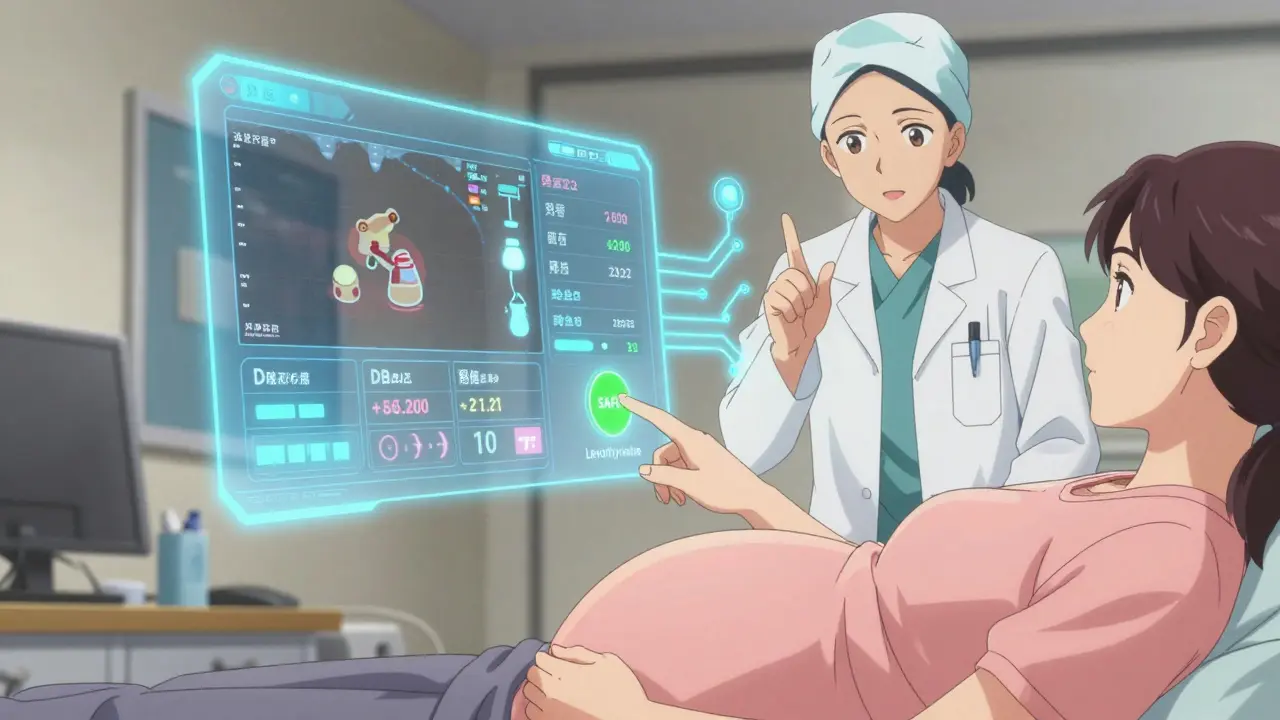
After your medication review, you should walk away with:- A clear list of what to keep, stop, or switch.
- Timeline for changes (e.g., "Stop this 3 months before trying to conceive.")
- Names of safe alternatives.
- Follow-up instructions (e.g., "We’ll check your TSH every 12 weeks.")
Some clinics now use apps like Babyscripts to monitor blood pressure or medication adherence in real time. If yours doesn’t, ask. Technology is making this easier. In 2023, 89% of accredited OB/GYN practices had formal medication review protocols. You deserve that level of care.
Final Thoughts
This isn’t about being perfect. It’s about being honest. Your OB/GYN has seen it all-meds, herbs, oils, vapes, and everything in between. They’re not here to judge. They’re here to protect you and your baby. The more you prepare, the more time you’ll have to talk about what really matters: how to have a healthy pregnancy, a safe delivery, and a strong start to breastfeeding.Start today. Grab your pill bottles. Open your notes app. Write it all down. Bring it to your next appointment. It’s one of the most powerful things you can do for your future child.
Do I need to tell my OB/GYN about supplements I take?
Yes. Supplements are medications. Even if they’re labeled "natural," they can interact with your body, affect fetal development, or trigger contractions. St. John’s Wort can reduce birth control effectiveness by 50%. Evening primrose oil has been linked to early labor. Your OB/GYN needs to know every pill, powder, or drop you take-whether it’s a prenatal vitamin, fish oil, or herbal tea.
Can I keep taking my antidepressants during pregnancy?
Many women do. Certain antidepressants like sertraline (Zoloft) and citalopram (Celexa) are considered low-risk during pregnancy. Stopping them suddenly can increase the risk of relapse, which is more dangerous than the medication itself. Your OB/GYN will work with your mental health provider to choose the safest option and monitor you closely. Never stop without medical advice.
Is it safe to take ibuprofen while pregnant?
It’s generally not recommended after 20 weeks. Ibuprofen can reduce amniotic fluid and affect the baby’s heart. Before 20 weeks, occasional use may be okay, but acetaminophen (Tylenol) is the preferred pain reliever. Always check with your OB/GYN before taking any NSAID during pregnancy.
What if I’m on a medication that’s not approved for pregnancy?
Many medications fall into Category C or D, meaning animal studies show risk but human data is limited. That doesn’t mean you must stop. Your OB/GYN will weigh the risks of continuing vs. stopping. For example, if you have epilepsy or severe depression, the risks of uncontrolled illness may be higher than the medication risk. They’ll help you find the safest dose or alternative.
Should I stop birth control before trying to get pregnant?
You can stop when you’re ready. Most women ovulate within a month after stopping the pill, patch, or ring. However, if you’ve been on hormonal birth control for years, your cycle may take a few months to normalize. Start taking folic acid at least one month before trying to conceive. It reduces the risk of neural tube defects by up to 70%.
Can I take CBD or medical marijuana while pregnant?
No. The FDA and ACOG advise against using CBD or marijuana during pregnancy and breastfeeding. Even if it’s prescribed, there’s no proven safe dose. THC crosses the placenta and can affect fetal brain development. There’s also evidence linking cannabis use to low birth weight and developmental delays. If you use it for pain or anxiety, talk to your OB/GYN about safer alternatives.
Next Steps
- If you’re planning pregnancy: Schedule a preconception visit. Bring your full medication list. Ask about folic acid, thyroid checks, and vaccinations.
- If you’re already pregnant: Review your meds at your next OB/GYN appointment. Don’t wait. Bring your phone photos of pill bottles.
- If you’re breastfeeding: Ask which of your meds are safe. Use resources like LactMed (from the NIH) to double-check, but always confirm with your provider.
Every medication you take during pregnancy or breastfeeding is a conversation. Don’t leave it to chance. Prepare. Ask. Speak up. Your baby’s health depends on it.



Neeti Rustagi
March 8, 2026 AT 13:25It is imperative to recognize that prenatal medication management is not a suggestion but a clinical necessity. Many patients underestimate the pharmacokinetic alterations that occur during gestation, leading to subtherapeutic or toxic drug levels. The CDC's assertion that 90% of pregnant women ingest at least one medication underscores the urgency of standardized preconception counseling. I strongly encourage all patients to maintain a digital log with brand names, dosages, and indications, cross-referenced against LactMed and MotherToBaby databases. This diligence is not paranoia-it is evidence-based advocacy for fetal neurodevelopment.
Dan Mayer
March 10, 2026 AT 03:17Janelle Pearl
March 11, 2026 AT 10:24I just had my first baby last month and honestly? I didn’t know half the stuff I was taking wasn’t safe. I was drinking ginger tea every morning for nausea and thought it was harmless. Turns out, it can stimulate contractions if taken in large amounts over time. My OB didn’t ask me about supplements-so I brought it up myself. She was so grateful. Please, if you’re pregnant or trying: write it all down. Even the ‘just a little’ stuff. Your body’s doing something miraculous. Don’t let a forgotten capsule mess with it.
Ray Foret Jr.
March 12, 2026 AT 09:17Samantha Fierro
March 12, 2026 AT 12:47As a nurse who specializes in maternal-fetal health, I cannot stress enough the importance of comprehensive medication reconciliation during pregnancy. The assumption that ‘if it’s over-the-counter, it’s fine’ is not only incorrect-it is dangerous. I have reviewed charts where patients took high-dose vitamin A supplements for ‘skin health,’ unaware that >10,000 IU can cause craniofacial malformations. Similarly, the use of evening primrose oil as a ‘natural labor inducer’ is a dangerous myth. Always consult your provider before introducing or discontinuing any substance. Your intention to protect your child is admirable. Let’s ensure your actions align with science, not folklore.
Robert Bliss
March 14, 2026 AT 04:21Peter Kovac
March 15, 2026 AT 19:57The assertion that 90% of pregnant women take medication is not a justification for laxity-it is a call for systemic reform. The current model of OB/GYN-led medication review is grossly inadequate. The average consult lasts 15 minutes. Pharmacokinetic interactions require hours of analysis. The fact that 65% of providers refer to pharmacists implies the system is broken. Until medication review is codified as a separate, reimbursable service, we are merely performing triage on a ticking time bomb. This post romanticizes patient responsibility while ignoring institutional failure.
APRIL HARRINGTON
March 16, 2026 AT 00:49Leon Hallal
March 16, 2026 AT 17:40Judith Manzano
March 18, 2026 AT 08:57I loved how this post emphasized asking, ‘What happens if I don’t take this?’ I had a thyroid condition and stopped my levothyroxine because I was scared. My TSH shot up to 12. My OB said, ‘We’ve seen this before. The baby’s brain development is more at risk from untreated hypothyroidism than from the medication.’ I cried. Then I felt relieved. That question changed everything. I’m now on a stable dose and my daughter is 8 months old and hitting all her milestones. Please-don’t assume. Ask. And if you’re scared? Say it out loud. Someone in this room has been there.
rafeq khlo
March 19, 2026 AT 12:20