
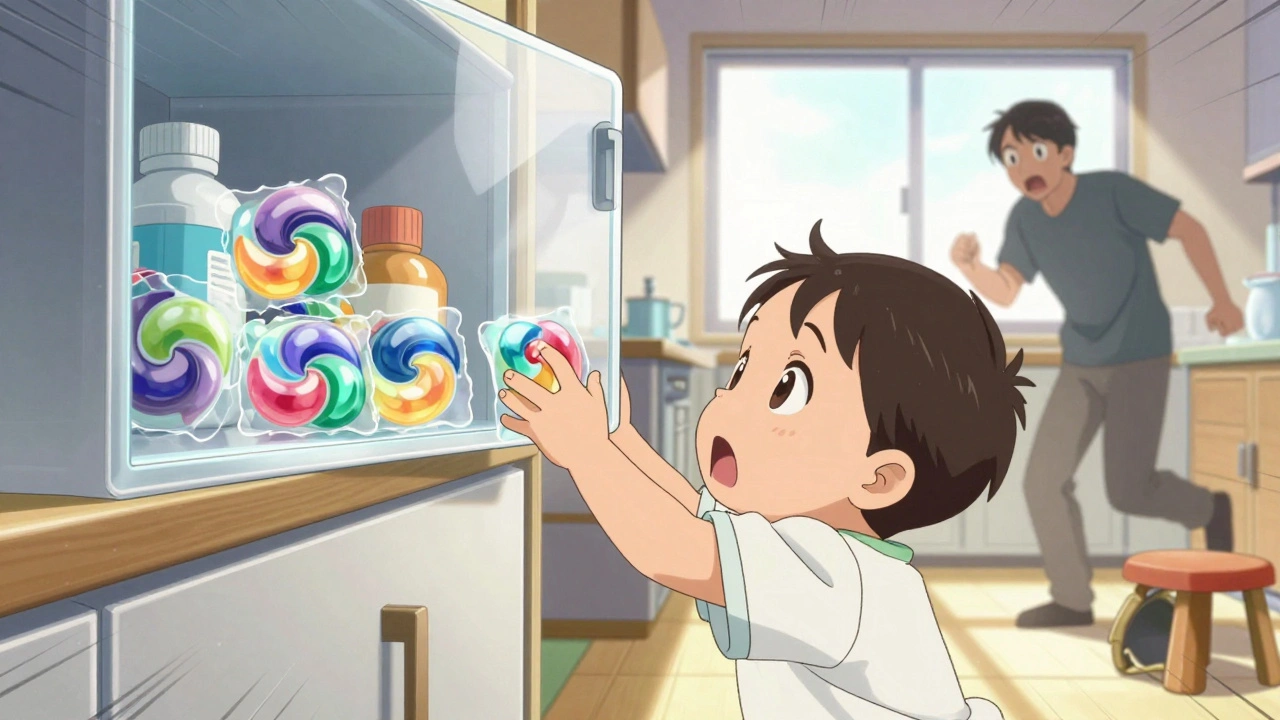
Every year, over 50,000 children under six in the U.S. end up in emergency rooms because they swallowed something they shouldn’t have. Most of these aren’t accidents in the traditional sense-they’re exploratory ingestions. Babies and toddlers don’t mean to poison themselves. They’re just learning about the world by putting things in their mouths. A bottle of cough syrup on the counter. A lipstick tube that smells like candy. A laundry pod that looks like a jellybean. These aren’t rare events. They’re predictable-and preventable.
Why Kids Under Five Are at Highest Risk
Children between 1 and 4 years old are the most vulnerable. This isn’t because they’re reckless. It’s because they’re developing. They crawl, pull up, walk, and explore everything within reach. Their hands find things. Their mouths test them. That’s normal development. But it’s also dangerous when those things are medicines, cleaners, or chemicals. The data shows that 75% of all poisonings in this age group happen during normal play and exploration. Boys are slightly more likely to be affected, and kids with hyperactive temperaments or pica (eating non-food items) face higher risks. What’s surprising? It’s not always the parents’ fault. Often, it’s a moment of distraction-grabbing a pill while holding a crying baby, leaving a purse on the floor, or forgetting to lock the cabinet after a quick dose.Where the Danger Lives in Your Home
Most people think the medicine cabinet is the biggest threat. It’s not. The real danger is everywhere:- Handbags and backpacks left on the floor-22% of poisonings happen when visitors leave pills or patches in their bags.
- Kitchen counters where liquid medications sit next to juice or syrup.
- Bathrooms where shampoo bottles look like juice boxes.
- Laundry rooms with detergent pods that glow under lights.
- Grandparents’ homes where safety rules don’t match yours.
What Actually Works: The 5 Proven Layers of Prevention
There’s no single fix. Prevention needs multiple layers-like seatbelts, airbags, and speed limits in a car. Here’s what works, backed by data:1. Lock It Up, High and Locked
Store all medicines, cleaning products, vitamins, and chemicals in locked cabinets at least 1.5 meters (5 feet) off the ground. This blocks 82% of access attempts by children under four, according to HealthyChildren.org. Use simple, inexpensive cabinet locks-no smart tech needed. Don’t rely on “child-resistant” caps alone. They’re designed to slow kids down, not stop them. A determined 2-year-old can open most of them in under a minute.2. Keep It Original
Never transfer pills or liquids into empty food containers, like yogurt tubs or soda bottles. That mistake causes 29% of poisonings. Kids don’t know what’s supposed to be food. If it looks like juice, they’ll drink it-even if it’s bleach. Always keep products in their original labeled containers.3. Use the Right Dose Tool
Never use a kitchen spoon to give medicine. A 2021 study in Pediatrics found that 76% of parents made dosing errors with spoons. That’s compared to just 12% when using the syringe or cup that came with the medicine. Calibrated dosing tools aren’t optional-they’re essential. If the bottle doesn’t come with one, ask your pharmacist for one. They’re free.4. Bitter It, Seal It, Separate It
Many household products now include denatonium benzoate-a bittering agent so unpleasant that kids spit it out. It doesn’t stop one swallow, but it cuts repeated swallowing by 68%. Look for it on labels for antifreeze, cleaning sprays, and nail polish remover. Also, keep cleaners and food in separate cabinets. Mixing them causes 37% more confusion-related ingestions.5. Know the Emergency Number
If you suspect your child swallowed something dangerous, don’t wait. Don’t induce vomiting. Don’t Google it. Call poison control immediately: 1-800-222-1222. In 78% of cases where kids got help within 30 minutes, outcomes were optimal. The Poison Control mobile app gets a 4.7-star rating for a reason-it gives instant guidance, even when you’re panicking.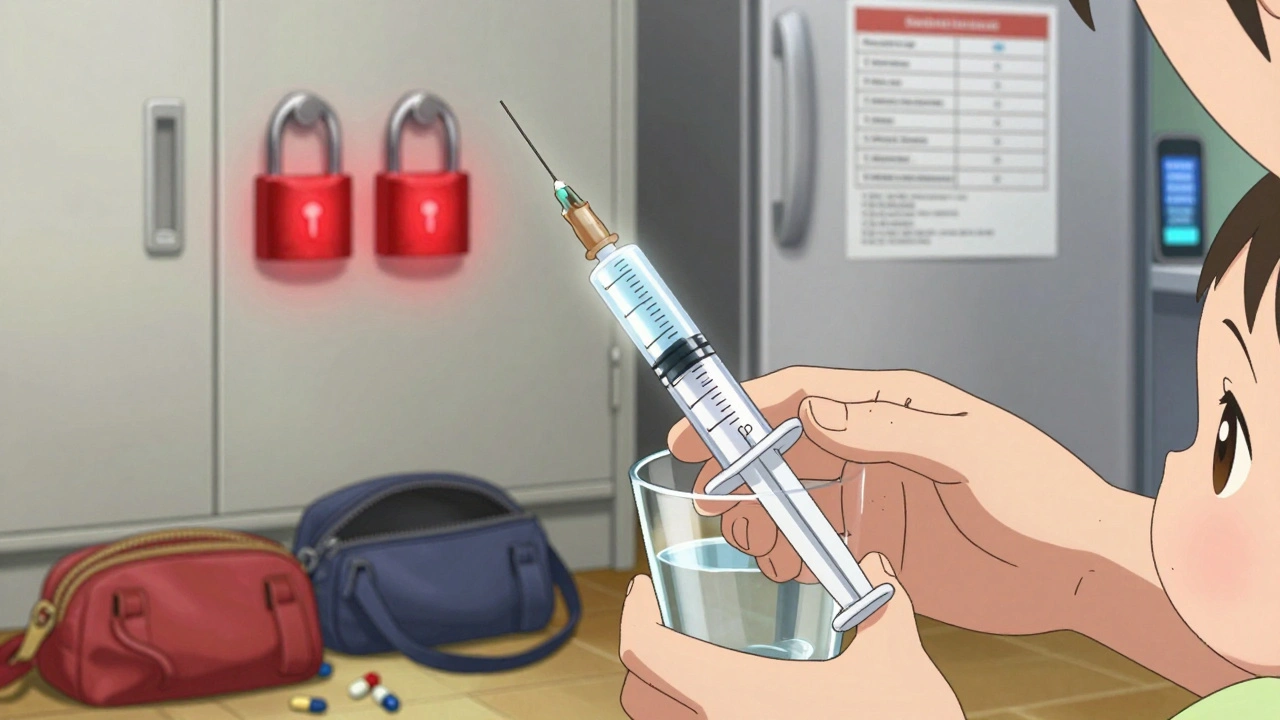
Emerging Threats You Can’t Ignore
The risks are changing. Here’s what’s new:- Laundry pods: These colorful, soft packs look like candy. After industry changes in 2019, incidents dropped 39%, but they’re still dangerous. Keep them locked away.
- E-cigarette liquids: Nicotine refills are 10 times more toxic than cigarettes. Poison control calls for these jumped 1,500% between 2012 and 2020. Now, federal law requires unit-dose packaging and warning labels-but not all products comply.
- Cannabis edibles: In states with legal marijuana, 7% of pediatric poisonings are from gummies, brownies, or chocolates. Hospitalization rates are 3.2 times higher than for other poisons. Store them like you would alcohol-locked, up high, and out of sight.
- Buprenorphine: This opioid used for pain and addiction treatment has seen a 156% increase in child exposures since 2010. It’s often found in pill form in medicine cabinets. Treat it like fentanyl-dangerous even in tiny doses.
- Button batteries: If swallowed, they can burn through tissue in 15 minutes. 85% of severe injuries happen in kids under four. Keep them locked up. If you suspect ingestion, go to the ER immediately-don’t wait for symptoms.
When Other Caregivers Are Involved
One of the biggest challenges? Consistency. A 2021 study found that 63% of households have safety lapses when care shifts between parents, grandparents, or babysitters. Grandparents often don’t know the rules. Or they think, “I raised kids without locks-we were fine.” Solution? Make a quick safety checklist. Print it. Tape it to the fridge. Include:- All meds and cleaners are locked up
- No bags on the floor
- No kitchen spoons for medicine
- Poison control number is saved in your phone
When to Start: Timing Matters
You don’t wait until your baby starts crawling. You start before. The American Academy of Pediatrics recommends beginning safety checks at the 9-month well-child visit-3 to 4 months before crawling typically begins. That’s when you install locks, move products up, and teach caregivers. Dr. Robert Palmer of the California Poison Control System says: “Anticipate milestones 3 to 6 months in advance.” When your child starts pulling to stand (8-10 months), check lower cabinets. When they start walking (12-15 months), check countertops and chairs. Kids learn fast. So should you.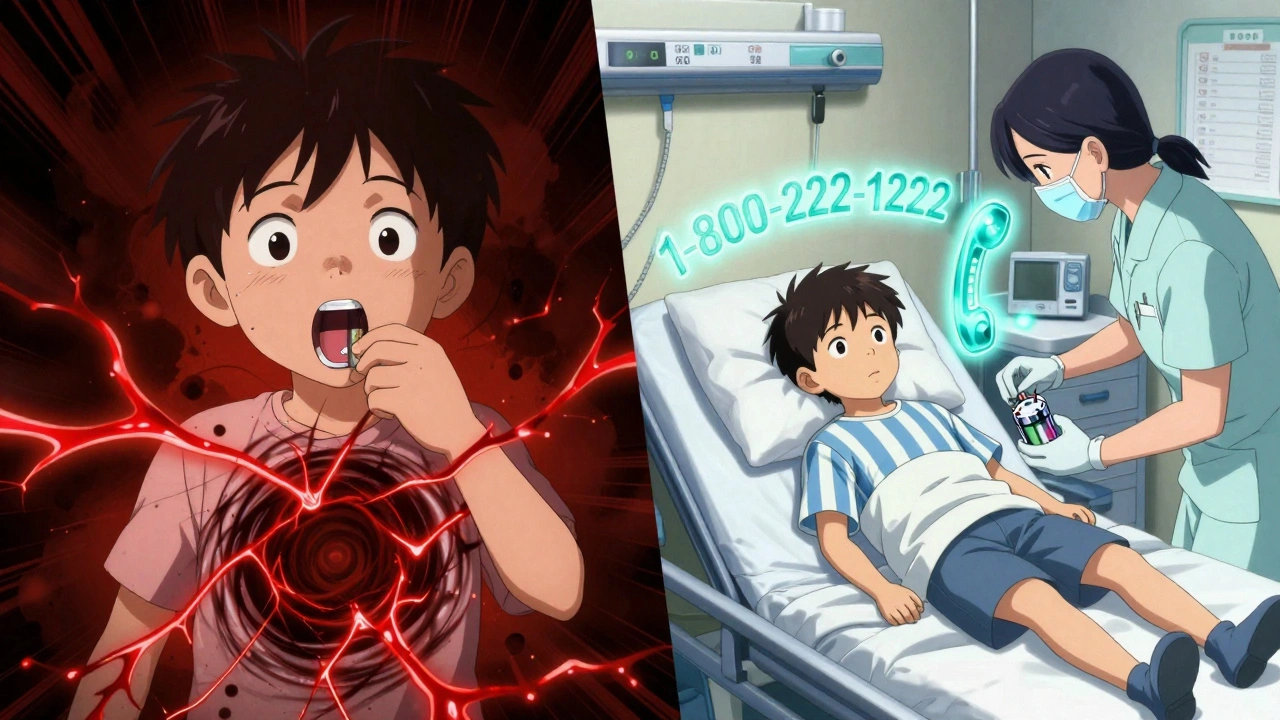
What Doesn’t Work
Don’t waste time on myths:- Activated charcoal: It’s not routinely recommended anymore. Studies show it doesn’t improve outcomes in most cases.
- “Just watch them”: A child can swallow something in under 3 seconds. You can’t watch them 24/7.
- “It’s only one pill”: One pill of certain medications can be deadly. A single aspirin can cause Reye’s syndrome. One hydrocodone tablet can stop breathing in a toddler.
Your Action Plan
Here’s what to do this week:- Walk through your home at your child’s eye level. Get on your knees. Look for anything reachable.
- Lock every cabinet with hazardous items. Use simple latch locks ($5 each).
- Throw out any repackaged meds or cleaners.
- Buy a calibrated dosing tool if you don’t have one.
- Save 1-800-222-1222 in your phone under “Poison Control.”
- Give a printed safety checklist to every caregiver.
Final Thought
You’re not being paranoid. You’re being smart. These poisonings aren’t accidents-they’re predictable. And they’re preventable. Every locked cabinet, every calibrated syringe, every saved phone number is a shield. You don’t need to be perfect. Just consistent. Because in the world of child safety, one moment of carelessness can change everything.What should I do if my child swallows something dangerous?
Call Poison Control immediately at 1-800-222-1222. Do not wait for symptoms. Do not try to make your child vomit. Keep the container of the substance they swallowed and have it ready when you call. If they’ve swallowed a button battery, go to the ER right away-don’t wait. Time is critical.
Are child-resistant caps enough to keep kids safe?
No. Child-resistant caps are designed to slow down children, not stop them. Studies show that many toddlers can open them within minutes. They’re a backup, not a solution. Always store medicines in locked cabinets at least 5 feet off the ground. Caps are just one layer of protection.
Why shouldn’t I use a kitchen spoon to give medicine?
Kitchen spoons vary in size and aren’t calibrated. A 2021 study found that 76% of parents made dosing errors using spoons. That’s compared to only 12% when using the syringe or cup that came with the medicine. Even a small mistake can be dangerous. Always use the dosing tool provided with the medication.
Are laundry detergent pods safe for homes with young kids?
No. Despite improvements in packaging, they still look like candy and can cause serious harm if swallowed. They’ve been linked to breathing problems, vomiting, and even coma in young children. Store them in a locked cabinet, out of reach and sight. Never leave them in the laundry basket or on the floor.
How can I make sure grandparents or babysitters keep my home safe?
Give them a simple printed checklist: “All meds locked up? No bags on the floor? No spoons for medicine? Poison Control number saved?” Most caregivers mean well but don’t know your rules. Make it easy for them. A quick 5-minute chat and a printed note can prevent a life-threatening mistake.
What are the most dangerous household items for toddlers?
The top five are: 1) Button batteries, 2) Liquid nicotine refills, 3) Buprenorphine pills, 4) Cannabis edibles, and 5) Laundry detergent pods. These can cause severe injury or death within minutes. Treat them like firearms-store them locked, high, and separate from food.




Sangram Lavte
December 8, 2025 AT 10:35Good breakdown. I’ve been using cabinet locks since my son started pulling up. Simple, cheap, and works. No more panic when I turn my back for five seconds.
Kurt Russell
December 10, 2025 AT 02:03THIS. THIS IS THE MOST IMPORTANT POST I’VE READ THIS YEAR. I used to think ‘my kid’s just curious’ was cute. Then my neighbor’s 2-year-old swallowed a button battery. She spent 3 days in ICU. Don’t wait for the nightmare to find you. Lock it. Now. Every. Single. Thing.
Wesley Phillips
December 11, 2025 AT 09:50Wow. So you’re telling me I need to turn my house into a bunker because toddlers are basically tiny, drooling terrorists? I mean, sure, I know kids put stuff in their mouths-but do I really need to lock up my Advil like it’s plutonium? Also, who the hell puts buprenorphine in the same cabinet as Tylenol? That’s not parenting, that’s negligence.
Jane Quitain
December 12, 2025 AT 07:41OMG I JUST REALIZED I LEFT MY PATCHES ON THE BATHROOM COUNTER LAST WEEK 😭 I’M SO SORRY I’M SUCH A BAD MOM. I’M GOING TO BUY LOCKS RIGHT NOW. THANK YOU FOR THIS I FEEL LESS ALONE
Nicholas Heer
December 13, 2025 AT 20:01They’re not ‘exploratory ingestions’-they’re government-controlled pharmaceutical propaganda. You think the FDA wants you to lock up your meds? Nah. They want you dependent. The real danger? The bittering agents-they’re synthetic neurotoxins disguised as ‘safety.’ And don’t get me started on the poison control app-it’s a backdoor for CDC surveillance. Lock your cabinets? Sure. But don’t trust the system that told you to.
Desmond Khoo
December 15, 2025 AT 07:12Y’all are killing it with this thread. I printed the checklist and taped it to the fridge. My mom actually read it. She even locked her purse now 😭🙏. You’re not just saving lives-you’re changing family culture. 10/10 would share again.
Ryan Sullivan
December 16, 2025 AT 08:57Let’s be real: 92% of parents own child-resistant caps. But only 54% use them properly. That’s not negligence-that’s incompetence. If you can’t follow five basic steps to prevent a preventable death, you shouldn’t be entrusted with a child. This isn’t parenting. It’s Russian roulette with a syringe.
Oliver Damon
December 17, 2025 AT 09:32There’s something profound here about how we treat safety as a checklist rather than a mindset. We treat childproofing like home improvement-install locks, buy tools, print a sheet. But the real work is the habit: the muscle memory of locking the cabinet every single time, even when you’re tired, even when you’re in a hurry, even when you’re convinced ‘it’s just this once.’ That’s the invisible labor of love. It’s not about perfection. It’s about consistency. And that’s harder than any lock.
Louis Llaine
December 18, 2025 AT 05:49So… you spent 4.7 hours childproofing your house. Cool. I spent 4.7 hours watching Netflix. Guess who’s gonna be the one texting poison control at 3 AM?