
Oral Thrush Risk Calculator
This tool helps you assess your risk of developing oral thrush based on your medications and health factors. Oral thrush is a common side effect of certain medications, especially inhalers and antibiotics.
When you take medications like inhalers for asthma or antibiotics for an infection, you might not think about your mouth. But up to 20% of people using inhaled steroids develop oral thrush - a painful, white-coated fungal infection that can make eating and swallowing difficult. It’s not rare. It’s a direct side effect of how these drugs change the balance of microbes in your body. And if you’re on long-term treatment, you’re at higher risk.
Why Medications Cause Oral Thrush
Oral thrush is caused by Candida albicans, a type of yeast that normally lives harmlessly in your mouth. But when medications kill off the good bacteria that keep it in check, Candida takes over. This happens most often with three types of drugs:- Inhaled corticosteroids (like Advair, Flovent, or Symbicort): Used by over 12 million Americans for asthma or COPD. The powder settles in your mouth and creates a moist, sugary environment perfect for yeast.
- Broad-spectrum antibiotics (like amoxicillin or ciprofloxacin): These wipe out friendly bacteria that normally compete with Candida. One course can trigger thrush within days.
- Immunosuppressants (like prednisone or cyclosporine): Taken after organ transplants or for autoimmune diseases. They weaken your body’s ability to fight off fungi.
People with diabetes, older adults, and those with dry mouth are also more likely to get it. High blood sugar feeds Candida. Less saliva means less natural cleaning. And aging reduces immune defenses.
What Oral Thrush Looks and Feels Like
You’ll know it when you see it. The classic signs are:- Creamy white patches on your tongue, inner cheeks, or throat
- Redness or soreness underneath the patches
- Cottonmouth or a bad taste that won’t go away
- Cracking at the corners of your mouth
- Pain or difficulty swallowing, especially if the infection spreads
It’s not just annoying - it can make you avoid food, lose weight, or even miss work. If you’re on steroids or antibiotics and notice these symptoms, don’t wait. Get it checked.
First-Line Treatment: Nystatin Oral Suspension
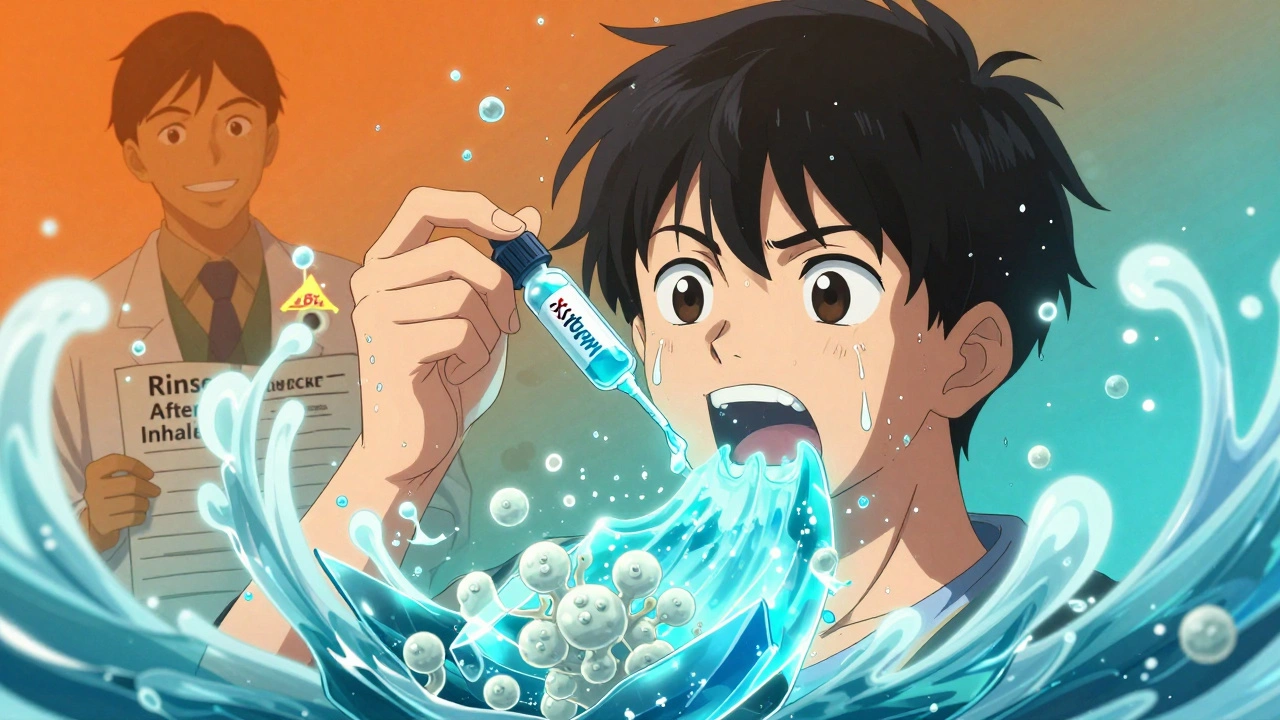
For most people, especially those who are otherwise healthy, nystatin is the go-to treatment. It’s been around since the 1950s, works directly in the mouth, and barely enters your bloodstream. That makes it safe for pregnant women, kids, and seniors on multiple medications.The liquid form (100,000 units/mL) comes in a bottle with a dropper. You take 4-6 mL, swish it around your mouth for at least two minutes, then spit it out - don’t swallow it. Do this four times a day, after meals, for 7-14 days.
Why two minutes? Because nystatin needs time to stick to the yeast and break down its cell walls. If you swallow it right away, you’re wasting most of the dose. Studies show 42% of treatment failures happen because people don’t hold it long enough.
It’s effective: 92% of mild to moderate cases clear up with proper use, according to Memorial Sloan Kettering. But it’s not pleasant. The chalky, bitter taste turns off many users. On Drugs.com, 78% of reviews mention the bad flavor. Still, it works - and it doesn’t mess with your liver or kidneys.
Stronger Option: Fluconazole for Severe or Recurring Cases
If nystatin doesn’t work, or if you’re immunocompromised, your doctor will likely switch you to fluconazole (Diflucan). This is an oral pill taken once a day. It gets absorbed into your bloodstream and kills Candida system-wide.It’s faster and more reliable. 95% of cases resolve within two weeks, per a 2022 meta-analysis. It’s especially important for cancer patients, transplant recipients, or anyone with thrush that’s spread to the esophagus.
But it’s not without risks. Fluconazole can interact with 32 common medications, including blood thinners, seizure drugs, and diabetes pills. It can also cause headaches, stomach upset, and - rarely - liver damage. One case on PatientsLikeMe led to hospitalization after severe liver toxicity.
Also, resistance is rising. The European Society of Clinical Microbiology reports Candida resistance to fluconazole has jumped from 3% in 2010 to 12% in 2022. If thrush keeps coming back, your doctor may need to culture the yeast to find the right drug.
Cost and Accessibility: What You’ll Pay
Price matters - especially if you’re paying out of pocket.| Medication | Form | Typical Cost (30-day supply) | Effectiveness | Best For |
|---|---|---|---|---|
| Nystatin | Oral suspension | $15.79 (generic) | 89% | Mild cases, children, elderly, pregnant women |
| Fluconazole | Oral tablet | $23.49 (generic) | 95% | Severe cases, immunocompromised patients |
| Diflucan (brand) | Oral tablet | $347.88 | 95% | Only if generic unavailable |
Nystatin is cheaper and safer. Fluconazole is more effective but more expensive and riskier. Most insurance plans cover both, but copays vary. Always ask for the generic.
Prevention: Stop It Before It Starts
The best treatment is no treatment at all. Prevention is simple - and it works.- Rinse your mouth after using inhalers. The NHS found this cuts thrush risk by 65%. Use water - don’t just swish, spit it out.
- Brush twice daily. Use a soft toothbrush. Floss. Clean your tongue with a scraper. Bacteria build up fast.
- Use xylitol gum or lozenges. A 2022 study in the Journal of Dental Research showed xylitol reduces Candida by 40%. It’s in some sugar-free gums - check the label.
- Control your blood sugar. If you have diabetes, aim for an HbA1c under 7.0%. High glucose = food for yeast.
- See your dentist every 6 months. They spot early signs before you feel pain.
For people on long-term steroids or antibiotics, some doctors now recommend daily probiotics. Research in Nature Microbiology (2023) found that Lactobacillus reuteri reduces recurrence by 57% when taken alongside antifungals.
New Developments: What’s Changing
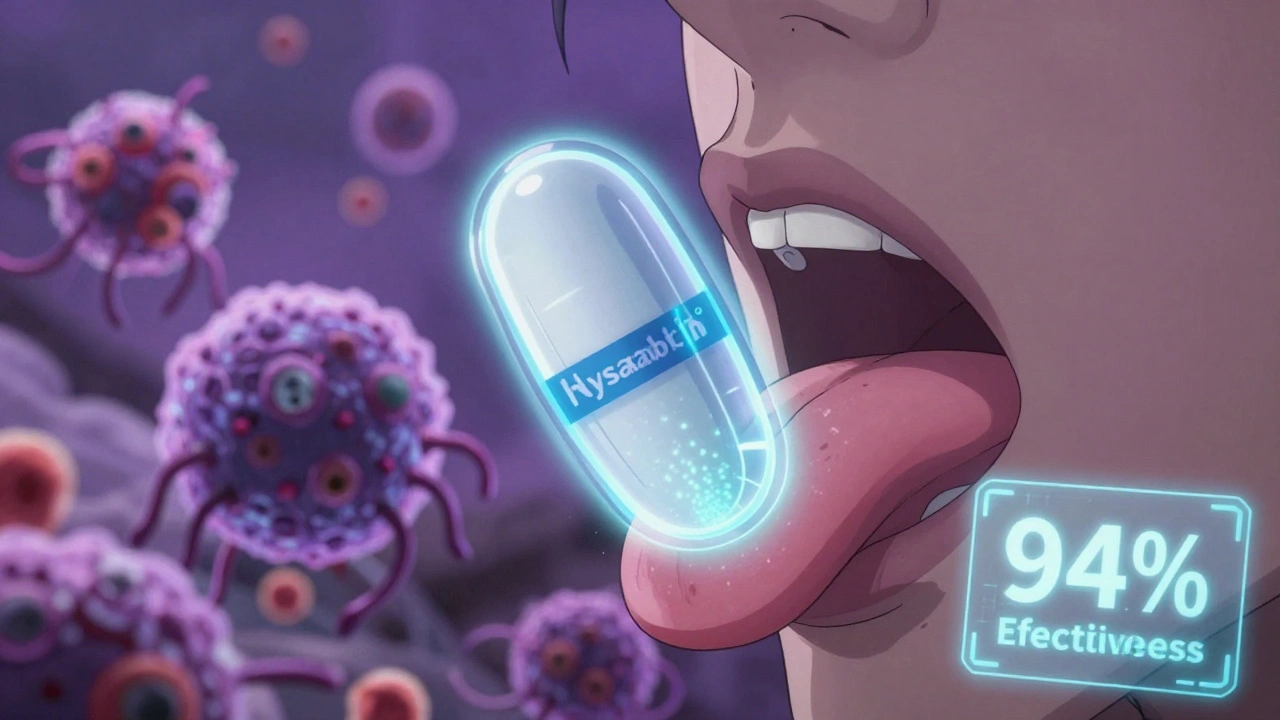
The field is evolving. In March 2023, the FDA approved a new mucoadhesive nystatin tablet called Mycolog-II. It sticks to your mouth for up to four hours - no swishing needed. Early trials show 94% effectiveness.Also, Candida auris - a drug-resistant superbug - is showing up in hospitals. While not common in healthy people, it’s a growing concern for those with weakened immune systems. Labs are now tracking it more closely.
Three new antifungal drugs are in Phase II trials. They promise better targeting, fewer side effects, and lower resistance risk. But they’re still years away.
What to Do If Treatment Fails
If you’ve done everything right - taken your nystatin correctly, rinsed after your inhaler, brushed daily - and thrush still won’t go away:- Ask your doctor for a culture test. It tells you exactly which fungus is causing it.
- Check if you’re on any new meds. Sometimes, a new antibiotic or steroid is the trigger.
- Rule out underlying conditions like undiagnosed diabetes or HIV.
- Consider switching to the new mucoadhesive nystatin tablet if available.
Don’t keep taking the same treatment if it’s not working. That’s how resistance builds.
Can oral thrush go away on its own without treatment?
Sometimes, yes - especially if it’s mild and caused by a short course of antibiotics. But if you’re on long-term steroids or have a weak immune system, it won’t clear on its own. Waiting can let it spread to your throat or esophagus, making it harder to treat. Don’t gamble with it.
Is nystatin safe for children and babies?
Yes. The European Medicines Agency confirms nystatin is safe for infants from birth. Pediatric doses are based on weight. For babies, the liquid is often applied with a dropper or cotton swab directly on the white patches. It’s preferred over pills because it doesn’t enter the bloodstream.
Can I use mouthwash to treat oral thrush?
Regular alcohol-based mouthwashes can make it worse. They kill good bacteria without touching the yeast. Some antifungal rinses exist, but they’re prescription-only. Stick to what your doctor prescribes - nystatin or fluconazole. Avoid home remedies like vinegar or baking soda unless approved by your provider.
How long does it take for oral thrush to clear up?
With proper treatment, symptoms usually improve within 3-5 days. Full clearance takes 7-14 days. Don’t stop early just because you feel better. Stopping too soon lets the yeast come back. Complete the full course, even if the white patches disappear.
Can I get oral thrush from kissing someone who has it?
It’s possible, but unlikely in healthy people. Candida is already present in most mouths. Thrush happens when your body’s defenses are down - from medication, stress, or illness. You won’t catch it like a cold. But if you’re immunocompromised, avoid sharing utensils or kissing someone with active thrush.
Why does my thrush keep coming back?
Recurrent thrush usually means the root cause hasn’t been addressed. Are you still using your inhaler without rinsing? Do you have uncontrolled diabetes? Are you on long-term antibiotics? Or is the fungus resistant? If it keeps returning, ask for a culture test and review your meds with your doctor.
If you’re on medication that increases your risk, prevention isn’t optional - it’s part of your treatment plan. Rinse after your inhaler. Brush your teeth. Watch your sugar. Talk to your doctor before starting any new drug. Oral thrush is common, but it’s also preventable - and treatable - if you act early.



Tommy Watson
December 13, 2025 AT 11:45Donna Hammond
December 13, 2025 AT 15:08Richard Ayres
December 13, 2025 AT 23:18Karen Mccullouch
December 15, 2025 AT 13:17Jennifer Taylor
December 16, 2025 AT 02:38sharon soila
December 16, 2025 AT 08:11Rawlson King
December 16, 2025 AT 19:35Bruno Janssen
December 16, 2025 AT 19:55Deborah Andrich
December 17, 2025 AT 23:13Lauren Scrima
December 18, 2025 AT 01:45Emily Haworth
December 18, 2025 AT 12:31