
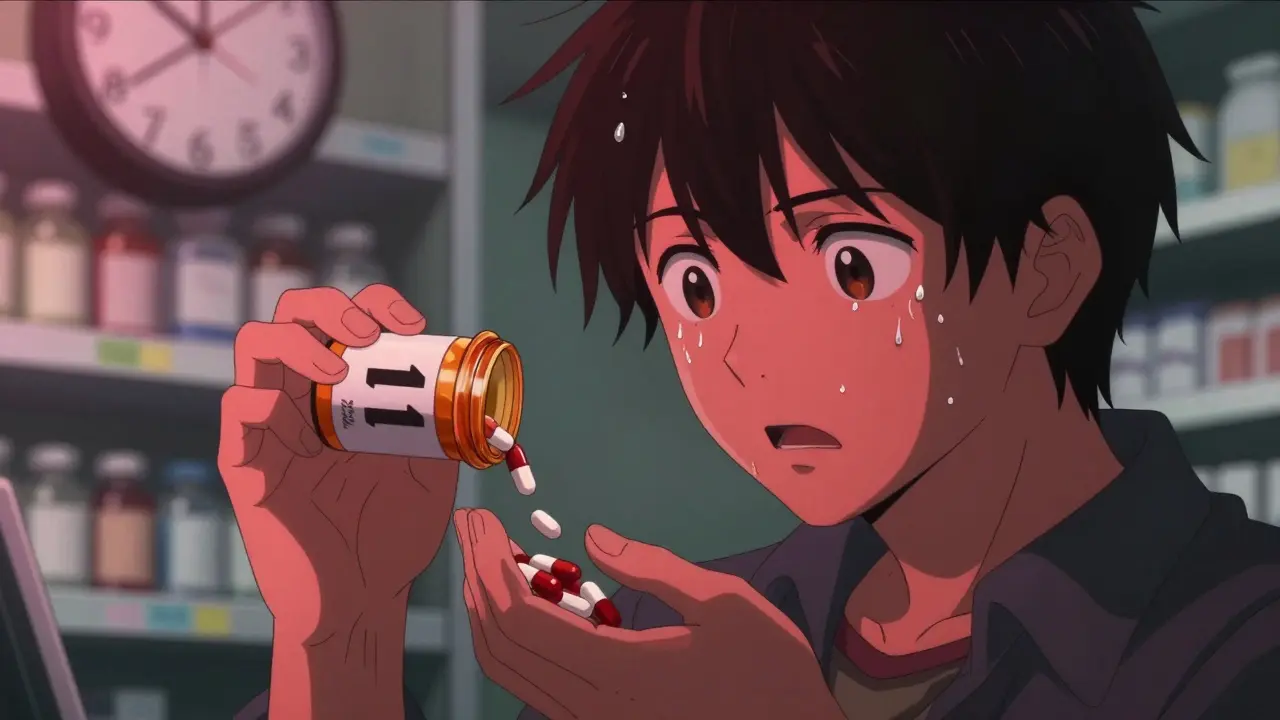
Imagine taking a medicine because the label says "once a day," but it's actually "eleven times a day." That's not just a mistake-it's life-threatening. In the Bronx, New York, half of all Spanish-language prescription labels had errors due to computer translations, according to a 2010 Pediatrics study. With 25.5 million Americans struggling with English, this isn't a small issue-it's a public health crisis.
Common Translation Mistakes on Prescription Labels
Prescription labels are instructions on medication containers that tell patients how to take their medicine. Accurate prescription label translation is vital for patient safety, especially for those with limited English proficiency.
Many pharmacies rely on automated translation tools that make dangerous errors. For example, the English word "once" (meaning "one time") translates to "once" in Spanish, which actually means "eleven." So a label saying "take once daily" could be misread as "take eleven times daily." This exact mistake caused a patient to overdose in 2017, according to NIH research.
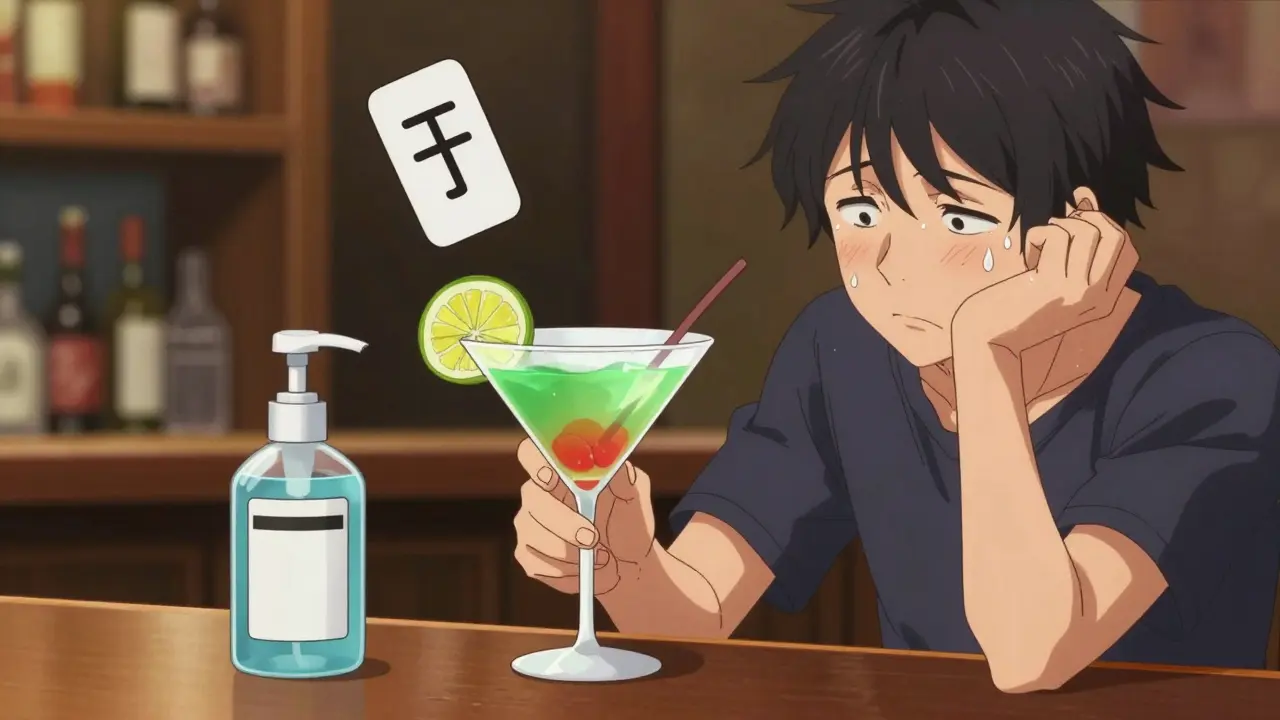
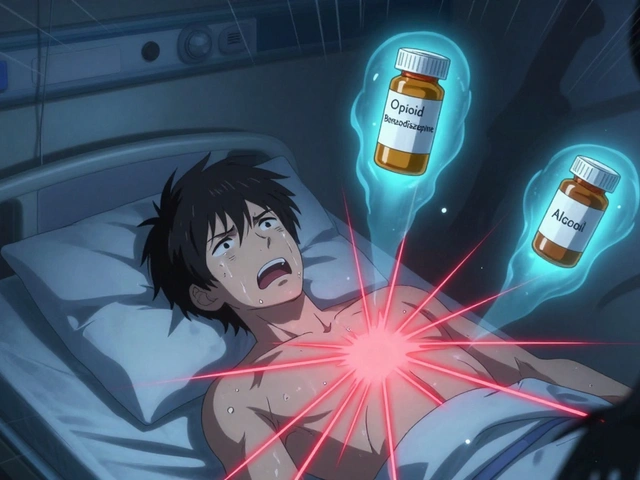
Another common issue is the word "alcohol." In Latin America, "alcohol" usually refers to rubbing alcohol, but in Spain, it means drinking alcohol. If a prescription warns to "avoid alcohol," a patient in Mexico might think it's about hand sanitizer, while someone in Spain might think it's about drinks. This confusion can lead to dangerous interactions with medications.
Frequency terms also get mixed up. "Twice daily" in English might translate to "dos veces al día" correctly, but some systems output "dos veces semanal" (twice weekly) by mistake. A Reddit user shared how one pharmacy translated "take two tablets twice daily" correctly, while another chain said "twice weekly," leading to treatment failure.
How Translation Methods Compare
| Method | Accuracy Rate | Cost per Prescription | Availability |
|---|---|---|---|
| Professional Human Translation (dual verification) | >95% | $0.15-$0.30 | 30% of pharmacies |
| Machine Translation with Human Review | ~85% | $0.08-$0.12 | 15% of pharmacies |
| Automated Machine Translation Only | 50% | $0.02-$0.05 | 87% for Spanish; 23% for Chinese/Vietnamese/Arabic |
Why These Errors Are Life-Threatening
Limited English Proficiency (LEP) populations face serious risks when prescription labels are mistranslated. Dr. Yaffa Rashewsky, Director of the Language Access Program at New York-Presbyterian Hospital, says a single mistranslated word can turn medicine into poison. A 2023 survey found 63% of LEP patients were confused about their medication instructions, and 28% took wrong doses because of translation errors.
The Pediatrics study showed that 86% of Bronx pharmacies used computer translations, leading to 50% error rates. These mistakes cause hospital visits, treatment failures, and even deaths. For example, a patient on blood thinners might take too much if "twice daily" is mistranslated as "twice weekly," leading to dangerous bleeding.
How to Check Your Prescription Label for Errors
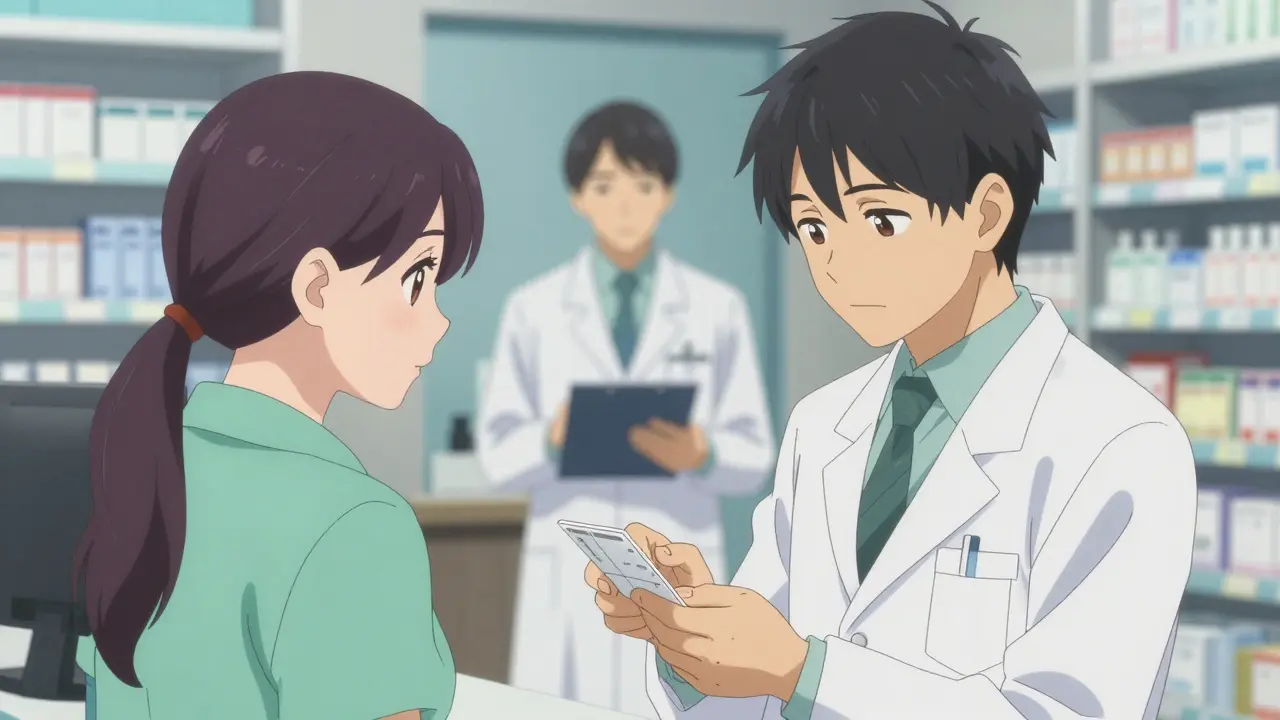
When you pick up a prescription, check the label in your language. Ask the pharmacist: "Can you verify this translation with a certified translator?" Most pharmacies have staff who can do this.
Look for clear instructions. If the label says "take once a day" but uses "once" in Spanish (which means eleven), ask for clarification. A good pharmacy will have bilingual staff or access to professional translators.
Check for specific terms. For example, "alcohol" should specify "drinking alcohol" or "rubbing alcohol" depending on context. If unsure, ask the pharmacist to explain the instructions in simple terms.
Getting Help from Your Pharmacy
California and New York require prescription labels in non-English languages to be professionally translated. If you're in those states, you can ask for a verified translation. Other states may not have laws, but many pharmacies still offer this service.
Call your pharmacy ahead of time and ask if they have certified medical translators. Some chains like Walgreens in Miami use certified translators on staff. Ask them to double-check your prescription before you leave.
If you spot an error, don't take the medicine. Call the pharmacy immediately. They should correct it right away. If they refuse, contact your state's pharmacy board or the FDA.
What Pharmacies Can Do to Prevent Errors
Pharmacies using certified translators with dual verification reduce errors to under 5%. Kaiser Permanente's 2021 initiative shows that proper translation systems take 6-8 months to implement but save lives and money. Every $1 invested in translation avoids $3.80 in adverse events.
Pharmacies should train staff on Title VI Civil Rights Acta federal law requiring healthcare providers to offer language assistance. They need to replace automated systems with professional translation services, especially for common languages like Spanish, Chinese, and Vietnamese.
Steps to Take If You Find a Translation Error
If your prescription label has mistakes:
- Don't take the medicine. Contact the pharmacy immediately to correct it.
- Ask for a verified translation from a certified medical translator.
- If the pharmacy won't fix it, report them to your state's pharmacy board.
- File a complaint with the FDA through their MedWatch system.
- Share your experience on platforms like Reddit's r/pharmacy to raise awareness.
Resources for Help
The National Health Law Program offers free legal help for language access issues. You can also contact the HHS Office of Minority Healtha federal agency with a $25 million grant program for pharmacy translation services.
For Spanish speakers, California's bilingual program has reduced medication errors by 32%. If you're in California, ask for the certified translation service. Other states are following this model.
What should I do if my prescription label is in the wrong language?
If your prescription label is in a language you don't understand, ask the pharmacist for a translation in your native language. Most pharmacies have certified translators or can access one. Never take medication if you can't read the instructions. If the pharmacy refuses, contact your state's pharmacy board or the FDA.
Are there laws requiring prescription label translations?
Yes, but it varies by state. California and New York have laws requiring professional translation of prescription labels. Other states may have no requirements. Federal law under Title VI of the Civil Rights Act requires language access, but enforcement is inconsistent. Check your state's regulations for specific rules.
How can I report a translation error on my prescription?
First, contact the pharmacy to correct the error. If they don't fix it, file a complaint with your state's pharmacy board. You can also report it to the FDA through their MedWatch system online or by phone. Sharing your experience on platforms like Reddit's r/pharmacy can help others avoid similar issues.
Why do pharmacies use machine translation instead of professionals?
Machine translation is cheaper and faster. Automated systems cost $0.02-$0.05 per prescription, while professional translation costs $0.15-$0.30. Many pharmacies, especially smaller ones, can't afford the higher cost. However, the long-term savings from preventing medication errors make professional translation worth the investment.
What languages have the worst translation coverage?
Spanish has the best coverage at 87% of major pharmacies, but Chinese, Vietnamese, and Arabic are only available at 23% of locations. This gap leaves millions of patients at risk. The FDA's 2024 guidance aims to improve coverage for all languages, but progress is slow.

Sarah B
February 7, 2026 AT 14:18America needs to fix this now
Ashley Hutchins
February 7, 2026 AT 18:55Pharmacies using machine translation is insane Theyre putting lives at risk for a few cents Someone should sue them Always check your labels
Niel Amstrong Stein
February 7, 2026 AT 20:11Ive seen this issue firsthand.
When my grandma got her meds translated, the alcohol warning was confusing.
In Mexico, alcohol means rubbing alcohol but in Spain its drinks.
So she was scared to use hand sanitizer but drank wine.
Scary stuff. 😕 We need better translation.
Pharmacies should use professionals.
Its not just about cost its about saving lives.
Every $1 spent on translation prevents $3.80 in medical errors.
Its a no-brainer.
Why do they keep using machines?
Its reckless.
Im from a multicultural background and this affects so many people.
We need to push for better systems.
#HealthcareForAll
Mary Carroll Allen
February 7, 2026 AT 23:55Ive seen people almost die from mistranslated labels. Once means eleven in Spanish? Thats insane. Pharmacies need to stop using machine translation. Its dangerous. We need to demand better!
Amit Jain
February 8, 2026 AT 11:06Machine translation is fine. Its not that bad. People just need to learn English. Why should pharmacies pay more for translators? Its not their problem. Get over it.
Joey Gianvincenzi
February 9, 2026 AT 15:14The use of automated translation for prescription labels is unacceptable. Such errors constitute a severe breach of patient safety standards. Immediate action is required to implement professional translation services across all pharmacies.
Tola Adedipe
February 10, 2026 AT 16:43We need to work together on this. Pharmacies should use certified translators. Its the right thing to do. Lives are at stake.
Lakisha Sarbah
February 10, 2026 AT 20:17I had a similar issue. My prescription said take twice daily but the translation said twice weekly. Took me weeks to realze. Always ask for verification.
Paula Sa
February 12, 2026 AT 00:28Its concerning how many lives are at risk due to translation errors. We need better systems in place. Pharmacies should invest in professional translators. Its not just about money its about people's lives.
Ariel Edmisten
February 12, 2026 AT 02:08Check your prescription labels. If unsure, ask the pharmacist. Its that simple.