
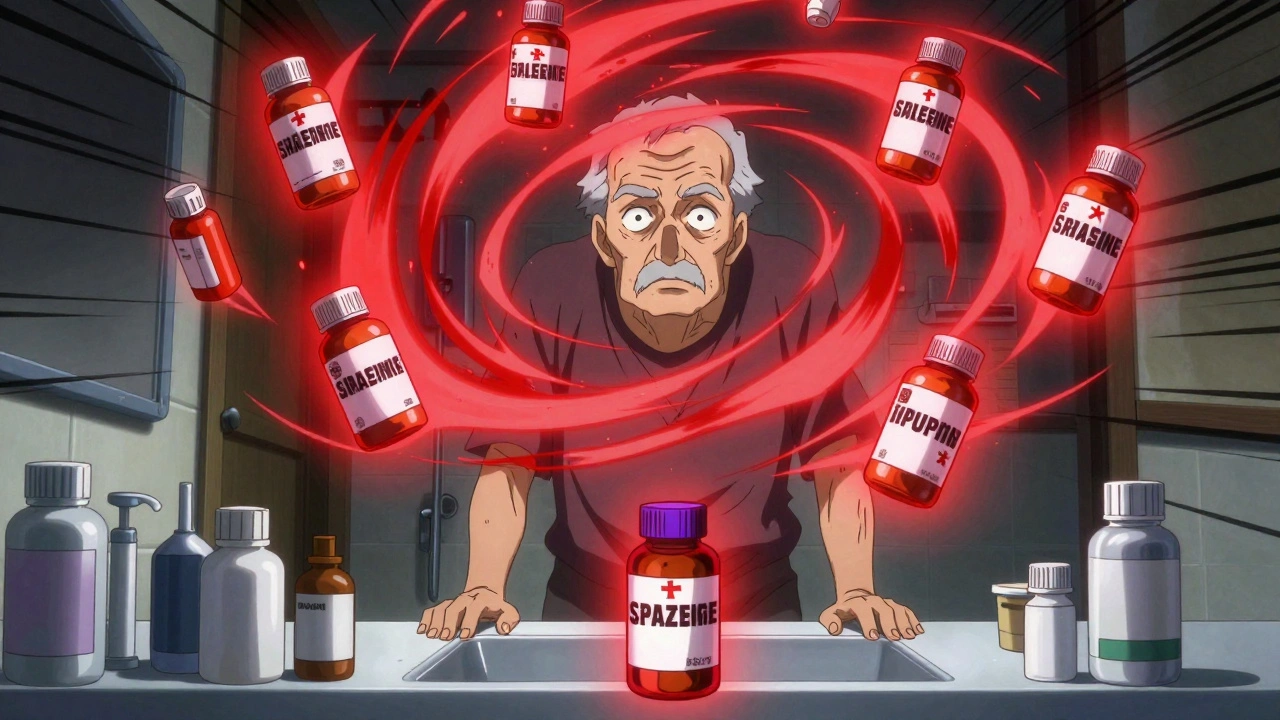
More than 1 in 3 adults over 65 in the U.S. are taking five or more medications at the same time. That’s not unusual-it’s common. But here’s the scary part: double ingredients are behind nearly 1 in 6 of all preventable hospital visits from medication errors. You might not even realize you’re taking the same active ingredient twice-once in your prescription, once in your cold medicine, and again in your sleep aid. And that’s how liver damage, internal bleeding, or even breathing problems start.
What Are Double Ingredients?
Double ingredients happen when you take two or more medications that contain the same active chemical. It doesn’t matter if they have different brand names or come from different doctors. If the ingredient is the same, your body doesn’t know the difference. It just sees more of it-and that’s dangerous.Acetaminophen is the most common culprit. You might take a prescription painkiller like Vicodin or Percocet, which both contain acetaminophen. Then you grab a bottle of Tylenol Cold or NyQuil for your stuffy nose. Both of those also have acetaminophen. You’re not trying to overdose. You’re just trying to feel better. But you’re now taking 1,500 mg, 2,000 mg, or even more in a single day. The safe daily limit? 3,000 mg for most people. But if you’re older, have liver issues, or drink alcohol, even 2,000 mg can be risky.
It’s not just acetaminophen. Diphenhydramine-the sleepy-making ingredient in Benadryl-is also in dozens of OTC sleep aids and cold medicines. Pseudoephedrine, found in Sudafed, shows up in multiple cold and allergy products. NSAIDs like ibuprofen and naproxen are in pain relievers, arthritis meds, and even some menstrual products. Take two of these and you’re doubling your dose. That’s not just a mistake-it’s a medical emergency waiting to happen.
Why This Happens More Than You Think
You’re not alone. About 32% of people taking five or more medications have accidentally doubled up on an ingredient. Why? Because no one told you. Doctors focus on your heart, your diabetes, your arthritis. They don’t always ask about the little bottles in your bathroom cabinet. And most OTC labels? They’re confusing. Even though the FDA updated the Drug Facts label in 2020 to make active ingredients stand out, a 2023 government report found that 41% of people still can’t find them.
And then there’s the pharmacy problem. If you fill your prescriptions at one place, the pharmacist’s system can flag overlaps. But if you buy cold medicine at the grocery store, vitamins at the gas station, and sleep aids from an online retailer? No one’s connecting the dots. A 2021 study showed that when patients use multiple pharmacies, double ingredient errors are detected only 45% of the time. At a single pharmacy? That number jumps to 92%.
Even worse? Many people don’t tell their doctors about supplements, herbal remedies, or traditional medicines. The World Health Organization found that 68% of patients hide these from their providers. But those can contain hidden active ingredients too. St. John’s Wort, for example, can interact with antidepressants. Garlic supplements can thin your blood. And if you’re already on warfarin? That’s a recipe for trouble.
Who’s Most at Risk
If you’re over 65, you’re at higher risk. Older adults make up 65% of all hospitalizations from double ingredient errors. Why? Because you’re more likely to have multiple chronic conditions-and more prescriptions to match. You might be on blood pressure meds, a statin, a diabetes pill, a pain reliever, and a sleep aid. Add in a daily aspirin, a calcium supplement, and a nighttime cold tablet? You’ve got five or six meds before breakfast.
But it’s not just seniors. Anyone taking more than three medications regularly is at risk. If you’ve seen multiple doctors in the past six months-say, a cardiologist, a rheumatologist, and a primary care provider-you’re more likely to get overlapping prescriptions. A 2021 study found that 82% of people who had double ingredient incidents had visited at least three providers in the last half-year.
And if you’ve ever said, “I didn’t know that was in there,” you’re not careless-you’re just not equipped with the right tools.
How to Stop It Before It Starts
Here’s what actually works-not advice you’ve heard a hundred times, but the steps backed by real data:
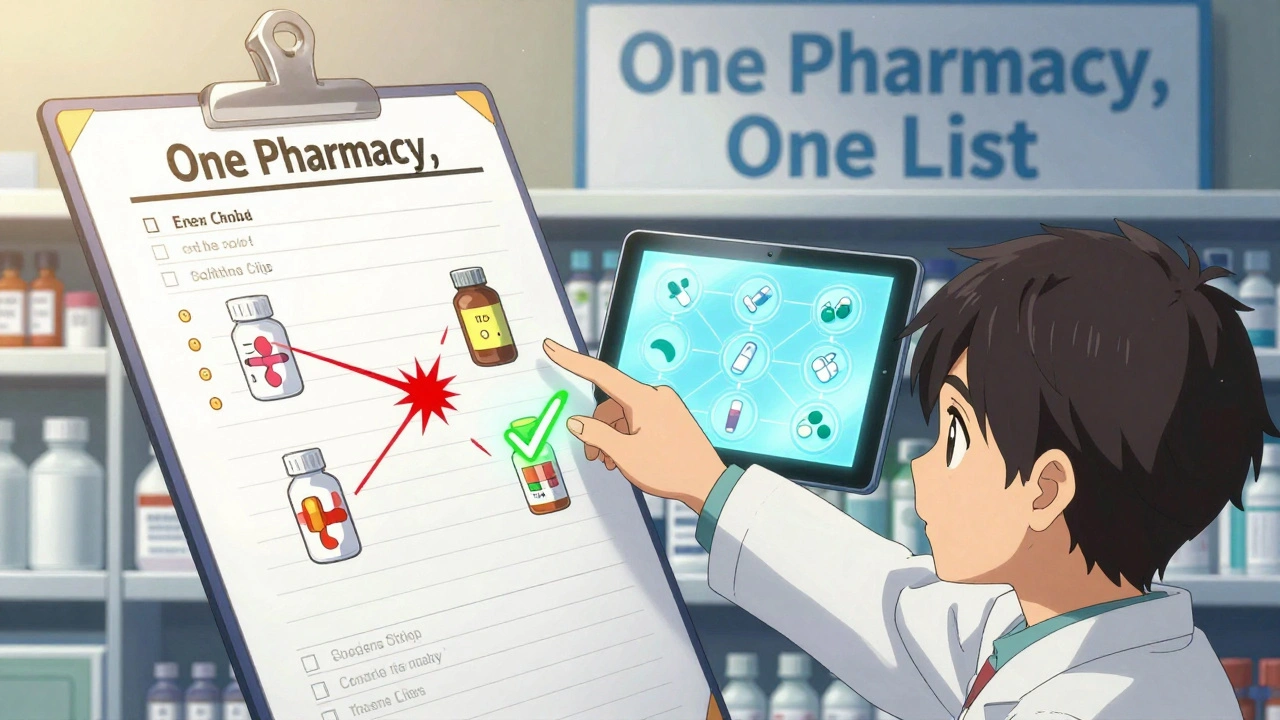
- Make a real list. Not a mental list. Not a note on your phone. Write down every single thing you take: prescription, OTC, vitamins, supplements, herbal teas, even the cough drops you suck on. Include the dose and how often you take it. Keep one copy in your wallet and one at home.
- Take it to every appointment. Don’t wait for your doctor to ask. Hand it to them when you walk in. Say, “Here’s everything I’m taking. Can you check for overlaps?”
- Use one pharmacy. Fill all your prescriptions at the same place. Pharmacies have systems that scan for duplicate ingredients. If you use multiple pharmacies, that safety net disappears.
- Ask the pharmacist. When you pick up a new medicine, ask: “Could this interact with anything else I’m taking?” They’re trained for this. In 87% of medication reviews, pharmacists catch something the doctor missed.
- Review once a year. Set a reminder. Every January or your birthday, sit down with your list and go through it. Are you still taking that sleep aid from last winter? Did your doctor cancel that painkiller after your surgery? Toss the ones you don’t need.
These steps aren’t optional. A 2020 study in BMJ Quality & Safety showed that when patients did this full review, double ingredient errors dropped by 79%. That’s not a small win. That’s life-saving.
Red Flags to Watch For
You don’t need to be a pharmacist to spot trouble. If you notice any of these after starting a new medicine or adding an OTC product, stop and check your list:
- Dizziness or extreme drowsiness (especially if you didn’t feel this before)
- Confusion or trouble thinking clearly
- Nausea, vomiting, or dark stools (signs of stomach bleeding from NSAIDs)
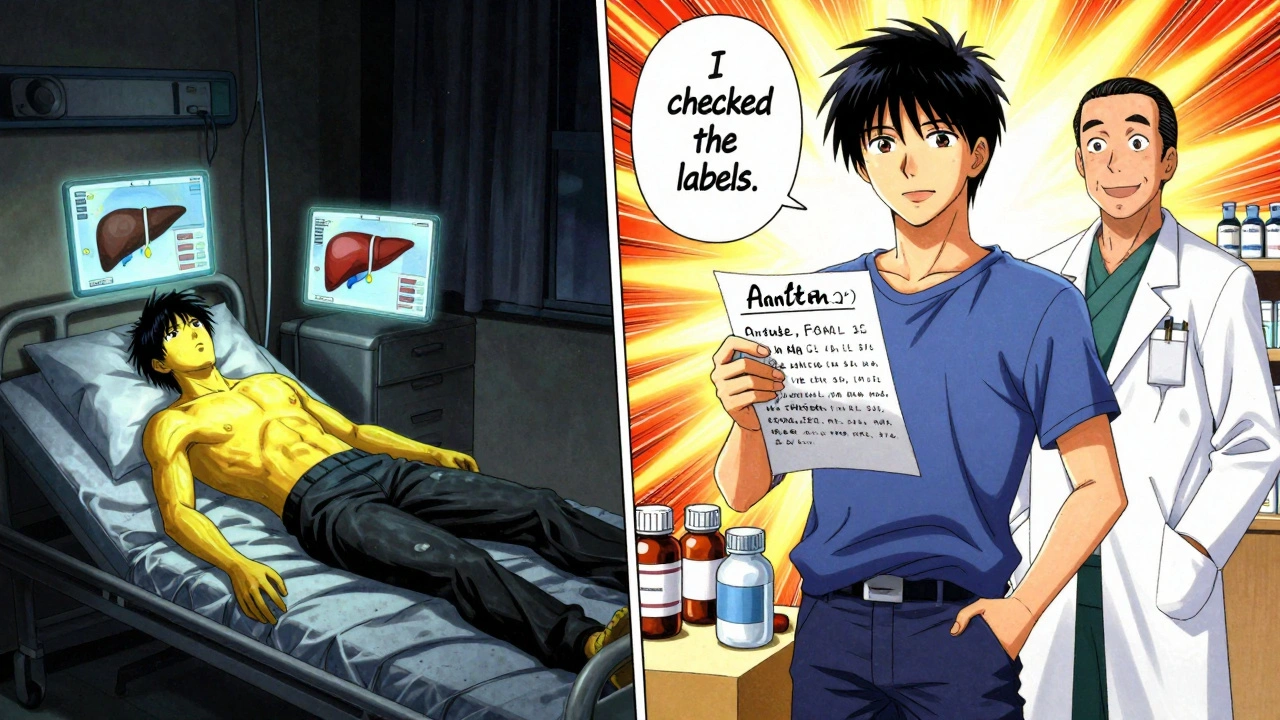
- Yellowing of the skin or eyes (liver damage from too much acetaminophen)
- Rapid heartbeat or high blood pressure (could be from too much pseudoephedrine)
These aren’t normal side effects. They’re warning signs. If you feel any of these, call your pharmacist or doctor immediately. Don’t wait. Don’t assume it’s “just a cold.”
What’s Changing to Help
Things are getting better-but slowly. The FDA’s new OTC label rules, required by December 2025, will force manufacturers to list active ingredients in bold, plain language. Apple Health now checks for duplicate ingredients in iOS 17. Electronic health records from Epic and Cerner flag double ingredients in 92% of cases. Pharmacy Quality Alliance programs have cut senior hospitalizations from these errors by 28%.
But technology alone won’t fix this. The biggest change still comes from you. You’re the only one who knows what’s in your medicine cabinet. You’re the only one who can ask the questions. And you’re the only one who can say, “I don’t need this anymore.”
Real Stories, Real Consequences
One Reddit user, MedSafety101, shared how they took three different cold medicines-all with pseudoephedrine-thinking they were helping. They ended up in the ER with blood pressure so high it threatened a stroke.
A UCLA Health patient didn’t realize her prescription painkiller and the store-brand cold medicine both had acetaminophen. She didn’t feel sick until her liver started failing. She spent a week in the hospital.
These aren’t rare. They’re preventable. And they happen every single day.
You don’t need to be perfect. You just need to be aware. One list. One pharmacy. One question at each visit. That’s all it takes to keep yourself safe.
Can I take two different brands of the same medicine if one is prescription and one is OTC?
No. If both contain the same active ingredient-like acetaminophen, ibuprofen, or diphenhydramine-you’re doubling your dose. It doesn’t matter if one is called Vicodin and the other is Tylenol. The chemical is the same. Your body can’t tell the difference. Always check the Drug Facts label on OTC products and compare it to your prescription. If the ingredient matches, don’t take both.
What should I do if I accidentally take too much acetaminophen?
Call Poison Control immediately at 1-800-222-1222 or go to the nearest emergency room. Acetaminophen overdose doesn’t always cause symptoms right away. Liver damage can start within hours, but you might not feel sick until it’s too late. Do not wait for nausea or pain. Even if you think you’re fine, get checked. There’s a specific antidote-N-acetylcysteine-that works best if given early.
Do I need to tell my doctor about vitamins and supplements?
Yes. Many supplements contain active ingredients that can overlap with your prescriptions. For example, St. John’s Wort can interfere with antidepressants and birth control. Garlic and ginkgo can thin your blood and increase bleeding risk if you’re on warfarin or aspirin. Even fish oil can affect blood pressure meds. You don’t need to list every vitamin, but if you take anything daily, write it down. Your doctor needs to know.
How do I know if a new OTC medicine is safe with my current meds?
Before buying anything, check the active ingredients on the Drug Facts label. Then compare them to your medication list. If you see any match, don’t take it. If you’re unsure, take the OTC product to your pharmacist and ask: “Is this safe with what I’m already taking?” Pharmacists are trained to catch these overlaps. Don’t rely on the store clerk. They’re not trained for this.
Can my electronic health record catch double ingredients automatically?
Not fully. Most systems can flag interactions between prescription drugs-but they don’t track OTC meds, supplements, or herbal products unless you tell them. Even the best systems only catch double ingredient risks in 35% of cases because OTC use is rarely documented. That’s why you need your own list. Your doctor can’t help you if they don’t know what you’re taking.
Is it safe to take OTC pain relievers if I’m already on a prescription painkiller?
Only if your doctor says so-and even then, be careful. Many prescription painkillers already contain acetaminophen or NSAIDs. Adding more can push you over the safe limit. If you need extra pain relief, ask your doctor for alternatives that don’t overlap. For example, physical therapy, heat packs, or non-medication options might be safer than adding another pill.
Double ingredients don’t have to be a silent killer. They’re preventable. But only if you know how to look.

Saket Modi
December 1, 2025 AT 23:47Chelsea Moore
December 3, 2025 AT 00:06John Morrow
December 4, 2025 AT 13:56Kristen Yates
December 4, 2025 AT 16:57Saurabh Tiwari
December 5, 2025 AT 20:36Michael Campbell
December 6, 2025 AT 00:28Victoria Graci
December 6, 2025 AT 18:20Saravanan Sathyanandha
December 8, 2025 AT 02:52alaa ismail
December 9, 2025 AT 05:08ruiqing Jane
December 9, 2025 AT 20:18Fern Marder
December 9, 2025 AT 21:02Carolyn Woodard
December 10, 2025 AT 11:07