
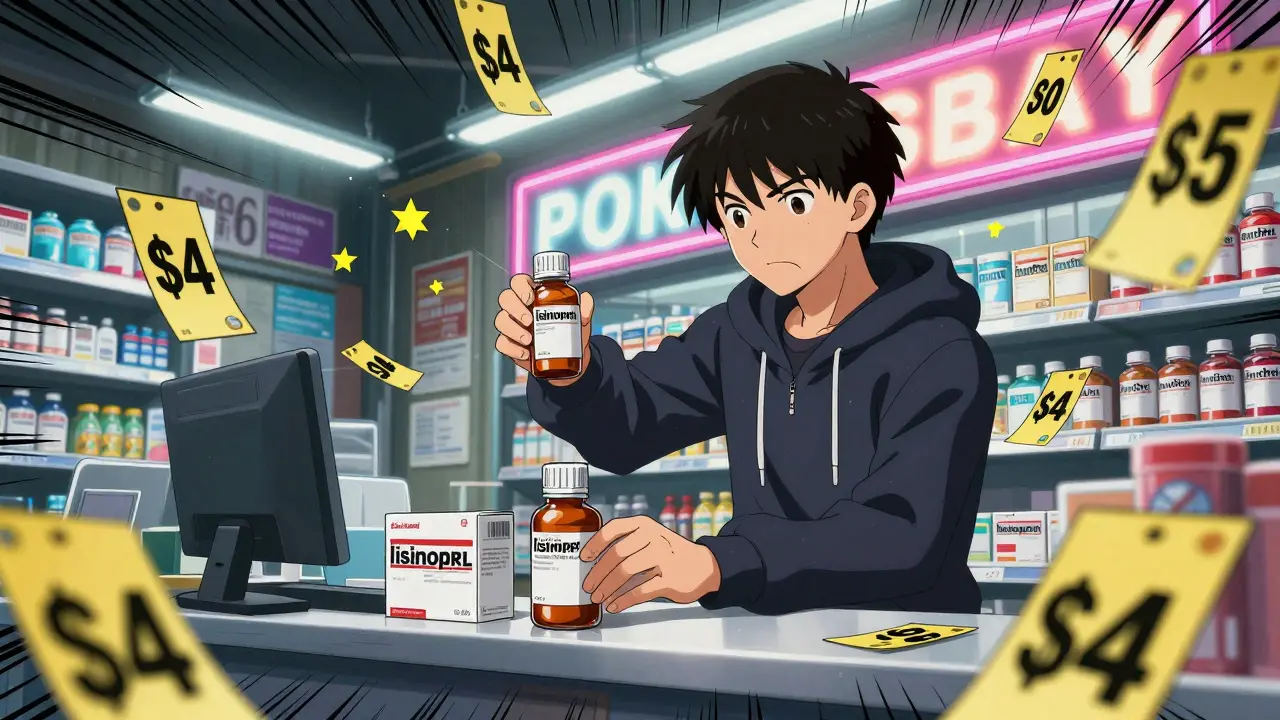
When you walk into a pharmacy in the US and pick up a month’s supply of generic lisinopril, you might pay $4. In Germany, the same pill could cost you €15. That’s not a typo. Americans pay significantly less for generic drugs than most Europeans - even though the US pays far more for brand-name medicines. This contradiction isn’t a mistake. It’s the result of two very different systems working in opposite directions.
Why US Generic Prices Are Lower
The US generic drug market operates like a high-volume, low-margin race to the bottom. Once a brand-name drug loses its patent, dozens of manufacturers jump in to produce the same medicine. Companies like Teva, Mylan, and Sandoz compete fiercely on price. They don’t need big marketing budgets. They don’t need fancy packaging. They just need to make the pill cheaper than the next guy. This competition drives prices down fast. According to the U.S. Department of Health and Human Services’ Office of the Assistant Secretary for Planning and Evaluation (ASPE), generic drugs in the US cost about 67% of what they cost in 33 other OECD countries. That means Americans pay roughly one-third less for off-patent medicines than people in most of Europe. The reason? Volume. The US uses generics for 90% of all prescriptions. That’s more than double the rate in countries like France and Italy, where generics make up only about 40% of prescriptions. When a pharmacy chain buys millions of pills at once, they can negotiate prices so low that some manufacturers barely break even. In fact, some generic drugs are sold below manufacturing cost - just to stay in the game. That’s why shortages happen. When no one can make money on a drug, production stops. Then one company gets a monopoly, and prices spike.How Europe Handles Generic Drugs Differently
European countries don’t let the market decide prices. Governments do. In Germany, France, and the UK, health agencies sit down with drugmakers and say, “This is what we’ll pay.” They don’t care how much it cost to develop the drug. They care if it’s worth the price. If a generic version is available, they often set the price based on what other countries pay - a system called external reference pricing. This creates a slower, more controlled market. Fewer companies enter the generic space because the profit margins are tighter and the approval process is longer. In France, pharmacists can’t substitute a generic unless a doctor approves it. In Germany, substitution is allowed, but many doctors still write prescriptions for brand names. That reduces competition. Less competition means higher prices. The result? Europeans pay more for generics, but they also pay less for brand-name drugs. The European Commission’s 2023 Pharmaceutical Strategy report confirms that European countries set prices based on therapeutic value and budget impact - not what the market will bear.The Brand-Name Paradox
Here’s the twist: while Americans pay less for generics, they pay way more for brand-name drugs. The same ASPE report found that US brand-name drug prices are 422% higher than in other OECD countries. Even after accounting for hidden rebates, prices are still over 300% higher. Why? Because the US doesn’t negotiate drug prices the way Europe does. There’s no single buyer. Instead, you’ve got private insurers, Pharmacy Benefit Managers (PBMs), Medicare, Medicaid - all negotiating separately. PBMs get rebates of 35-40% off list prices, but those discounts rarely reach the patient. The list price stays high, and patients pay based on that inflated number. Take Jardiance, a diabetes drug. Medicare negotiated a price of $204 per month. In other countries, the average price is $52. That’s nearly four times higher. Stelara, a psoriasis treatment, costs $4,490 in the US versus $2,822 abroad. These aren’t outliers. They’re the norm.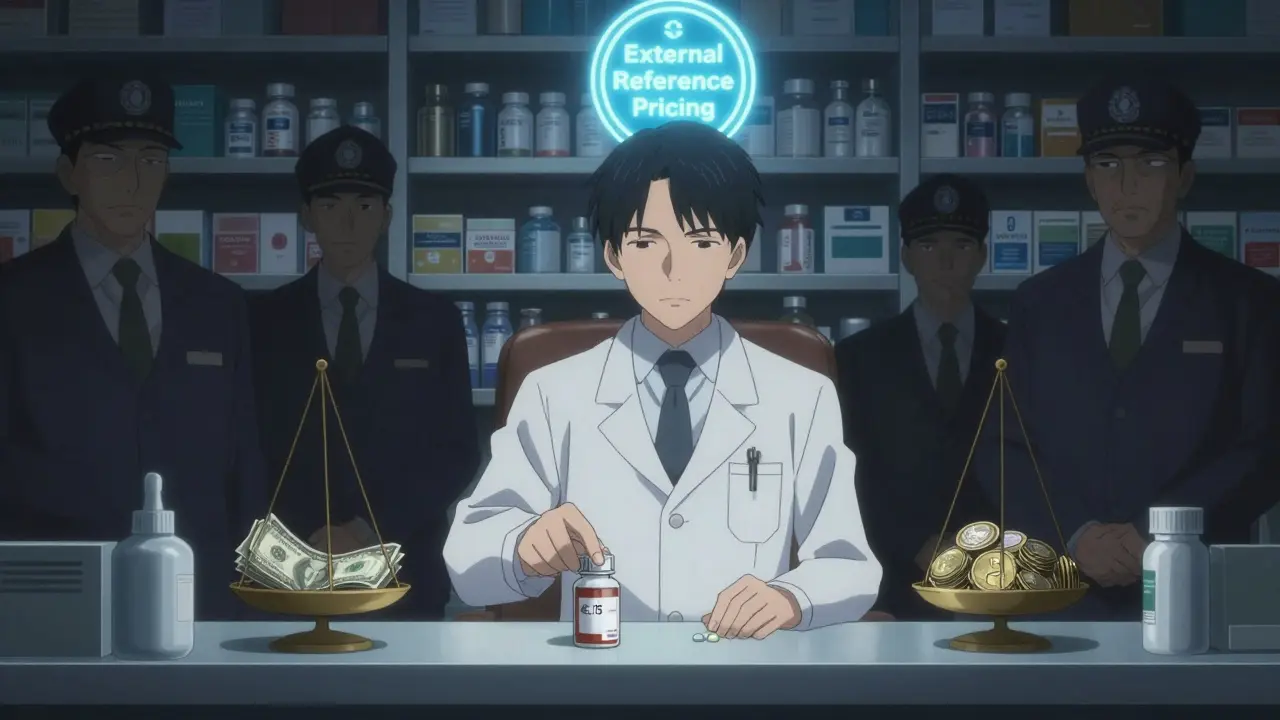
Who’s Really Paying for Innovation?
The US spends more on pharmaceuticals than any other country - $1,443 per person in 2023, compared to $749 in Germany and $512 in the UK. But here’s the thing: that extra money funds global drug innovation. Dr. Joseph Antos from the Milbank Quarterly found that the US covers about two-thirds of the world’s pharmaceutical research and development. The IQVIA Institute reported that the US market accounted for 40% of global drug sales in 2024, even though Americans make up only 4% of the world’s population. That’s not a coincidence. European countries benefit from this. They get access to new drugs at lower prices because the US absorbed the upfront R&D costs. Dana Goldman, a professor at the University of Southern California, calls it “free riding.” “Europe negotiates prices as low as they can without regard to the cost of innovation,” she says. “In that sense, other countries are free riding on the United States.”What’s Changing Now?
The system isn’t frozen. The Inflation Reduction Act of 2022 started Medicare drug price negotiations. In 2025, Medicare selected 10 drugs for its first round of price talks. The negotiated prices were still higher than international averages - Jardiance was 3.9 times more than in other countries - but the gap is shrinking. Some experts predict that by 2027, these negotiations could cut US brand-name drug prices by 25-30%. That could reduce the financial burden on American patients and lessen the pressure on global drugmakers to charge more in the US to fund innovation. But there’s a risk. If the US forces prices down too fast, companies might raise prices in Europe to make up for lost revenue. Alexander Natz of the European Confederation of Pharmaceutical Entrepreneurs warned that policies like Trump’s proposed “most favored nation” pricing - which would tie US prices to the lowest international price - could cost the industry $100 billion annually. That might force drugmakers to hike prices elsewhere to keep R&D alive.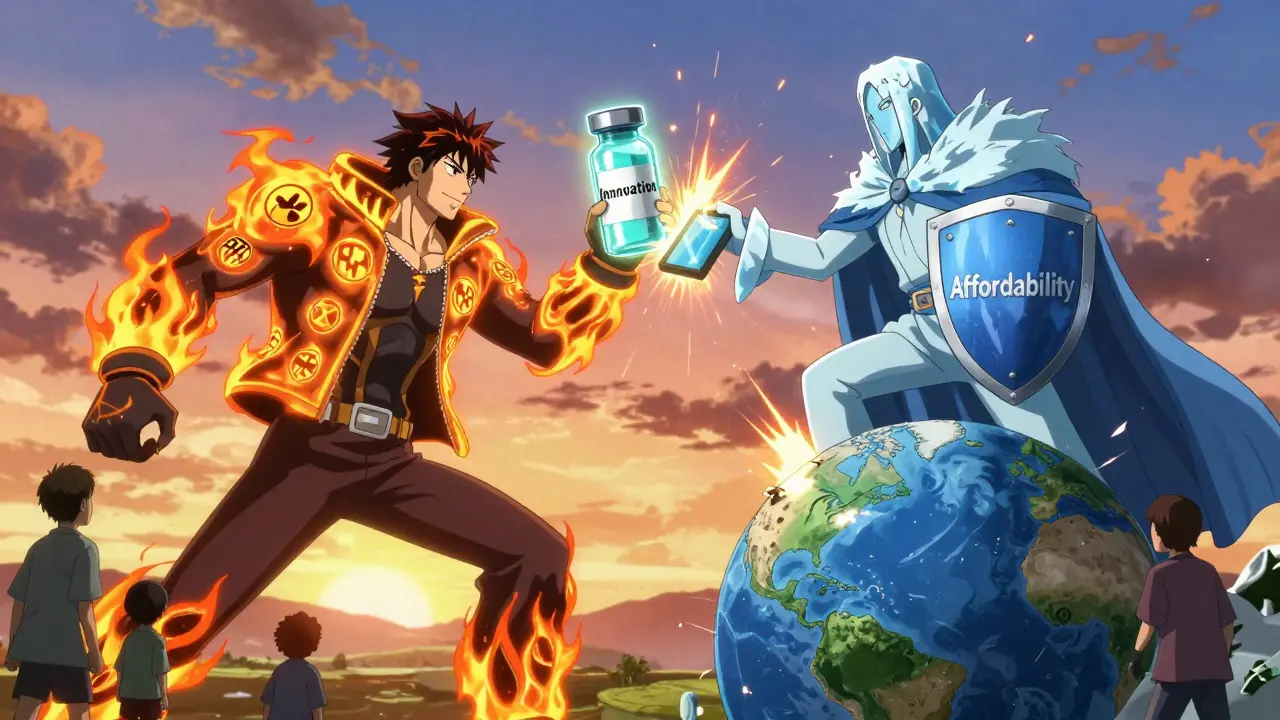


lucy cooke
January 13, 2026 AT 01:07The entire system is a grotesque theater of capitalism dressed up as healthcare. Americans pay pennies for generics because we’ve turned medicine into a commodity sold at Walmart like toilet paper - while the same corporations charge €500 for a single pill of a brand-name drug because ‘innovation’ requires profit margins that would make a hedge fund manager cry. We don’t have a drug system. We have a performance art piece titled ‘How to Extract Every Penny from the Sick.’
Trevor Davis
January 14, 2026 AT 05:17Just wanted to say I’ve been on lisinopril for 8 years. Paid $3 at CVS last month. In Germany? My cousin paid €17 for the same thing. He thought I was lying. Then he checked the price online and just stared at his screen for 10 minutes. The system is broken - but not in the way most people think. We’re not getting ‘cheap drugs.’ We’re getting exploited by middlemen who don’t even touch the pills.
John Tran
January 16, 2026 AT 03:02Okay so like… think about it this way: the US is basically the R&D lab for the entire world, right? Like, we’re the ones footing the bill for all those fancy new cancer drugs and GLP-1 agonists that people in Europe get at like 20% of the cost, but without having to pay for the 12 years of failed trials and clinical studies that came before it. And now Europe’s like ‘hey can we just keep doing this forever?’ Meanwhile, the companies that actually make the stuff are like ‘yo we need to make money or else we can’t make the next miracle drug’ - and if we cap prices too hard, guess what? No more new drugs. Ever. Just generics and a whole lot of ‘we’re sorry, we can’t find a cure for Alzheimer’s this year.’
It’s not free riding. It’s parasitism. And it’s unsustainable. The US isn’t greedy - it’s the only thing holding the whole damn ecosystem together.
Pankaj Singh
January 16, 2026 AT 03:36Stop pretending this is about innovation. It’s about corruption. PBMs are the real villains. They take 35% rebates from manufacturers, then charge patients the full list price. That’s not capitalism. That’s fraud. The US government could negotiate prices tomorrow and save $300B/year - but they’re too busy taking bribes from pharma lobbyists. Your ‘free riding’ narrative is just a distraction. The real issue? Greed. Pure and simple.
Robin Williams
January 16, 2026 AT 05:24Bro… imagine if we just made all generics free. Like, tax them into oblivion and give them away at clinics. People would still pay for the fancy new stuff - but the basics? Done. No more ‘I skipped my meds because I couldn’t afford $4.’ We’re not a third-world country. We’re the richest nation on earth. Why are we still playing this broken game? It’s not about innovation - it’s about dignity. And we’re failing at that.
Kimberly Mitchell
January 17, 2026 AT 05:55There is no paradox. There is only structural dysfunction. The US pharmaceutical supply chain is a rent-seeking oligopoly disguised as a free market. Generic manufacturers operate at near-zero margins because of volume-based contracting and predatory pricing, which leads to chronic shortages and quality degradation. Meanwhile, brand-name pricing is artificially inflated due to lack of price transparency, anti-competitive patent evergreening, and PBM rebate secrecy. The European model, while slower, is more fiscally responsible and less prone to systemic collapse.
Angel Molano
January 18, 2026 AT 22:03You’re all missing the point. Americans pay less for generics because they’re often made in China and shipped here with no quality control. The pills are the same - but the safety isn’t. Europe’s higher prices? That’s for testing. For standards. For not killing people. Stop celebrating cheap pills that might be laced with fentanyl.
Jesse Ibarra
January 19, 2026 AT 20:17Let me break this down for you: the US doesn’t have cheaper drugs. It has cheaper access to the *lowest common denominator* of medicine. Meanwhile, Europe pays more for generics because they’re paying for the *right to choose* - not just what’s cheapest, but what’s best. The US system rewards volume over value. Europe rewards stability over spectacle. And guess what? When you need a life-saving drug that doesn’t exist yet, you don’t want a race to the bottom. You want someone who invested $2 billion to make it. That’s the US. And yes, it’s exploitative. But it’s also the only reason you’re alive today.
So next time you’re on your $4 lisinopril, remember: someone in a lab in New Jersey spent 15 years trying to make that molecule work. And if you keep screaming ‘price caps!’ you’ll kill the next one before it’s even born.