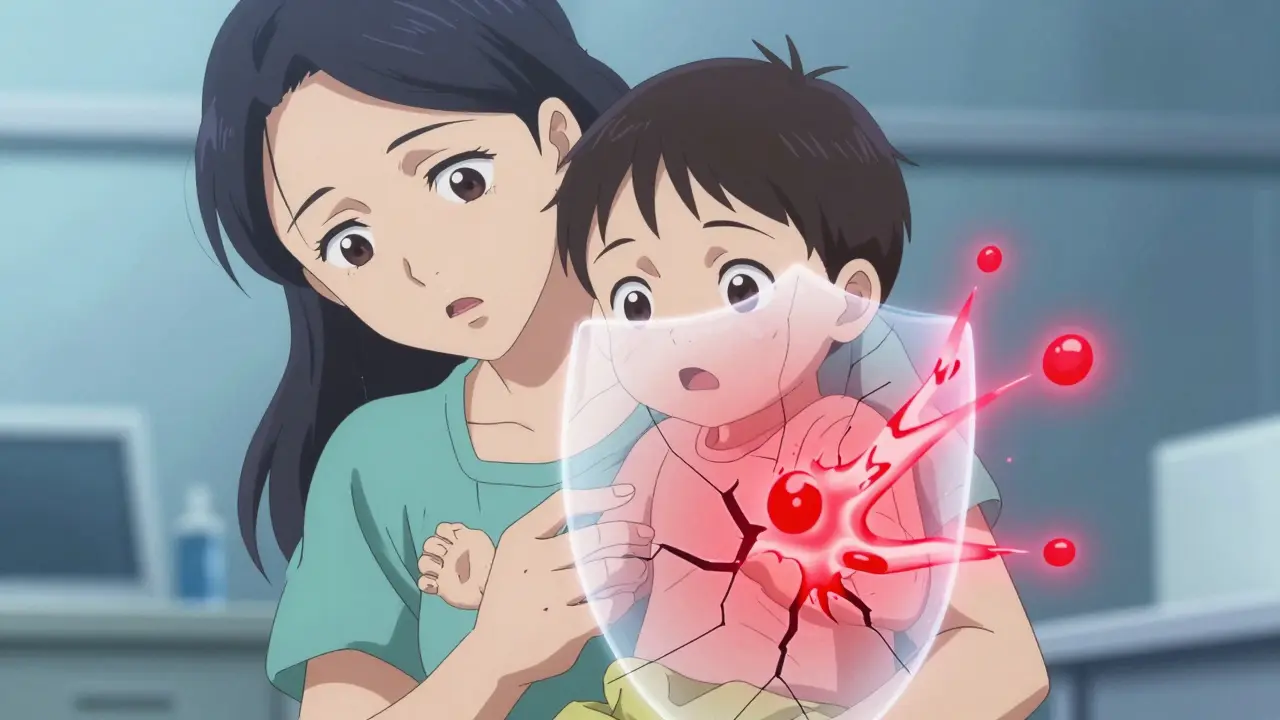
Children’s skin is not just smaller adult skin. It is fundamentally different. Because a child’s skin has a thinner outer layer and a higher surface-area-to-body-weight ratio, they absorb medications 3 to 5 times faster than adults do. This biological reality turns what might seem like a harmless dab of cream into a potential health risk if not managed correctly.
You might think that because a medication is applied to the skin, it stays there. That is a dangerous assumption. In infants under one year old, the skin barrier is still immature. This means systemic absorption-where the drug enters the bloodstream and affects the whole body-is significantly higher. The stakes are high: the American Academy of Pediatrics reports that topical medication errors lead to approximately 6,500 emergency department visits for children under five every year in the United States alone.
Understanding the Risks of Topical Absorption
To keep your child safe, you first need to understand why their skin reacts differently. The stratum corneum, which is the outermost layer of the skin that acts as a barrier, is thinner in children. When you apply a cream, ointment, or gel, the active ingredients can penetrate this barrier more easily.
This risk spikes when the skin is damaged. If your child has eczema, cuts, or inflamed patches from atopic dermatitis, absorption rates can jump by 10 to 15 times compared to intact skin. For example, lidocaine absorbs at only 3% through healthy skin but can reach 60% absorption through broken skin. This rapid entry into the bloodstream can lead to serious conditions, including seizures or heart rhythm issues, depending on the medication class.
Another major factor is occlusion. Covering a medicated area with plastic wrap, Tegaderm, or tight clothing increases absorption by 300-500%. While doctors sometimes prescribe this for specific treatments, doing it without medical supervision is extremely risky for young children. Always ask your pediatrician before covering any treated area.
The Danger of Benzocaine and Teething Gels
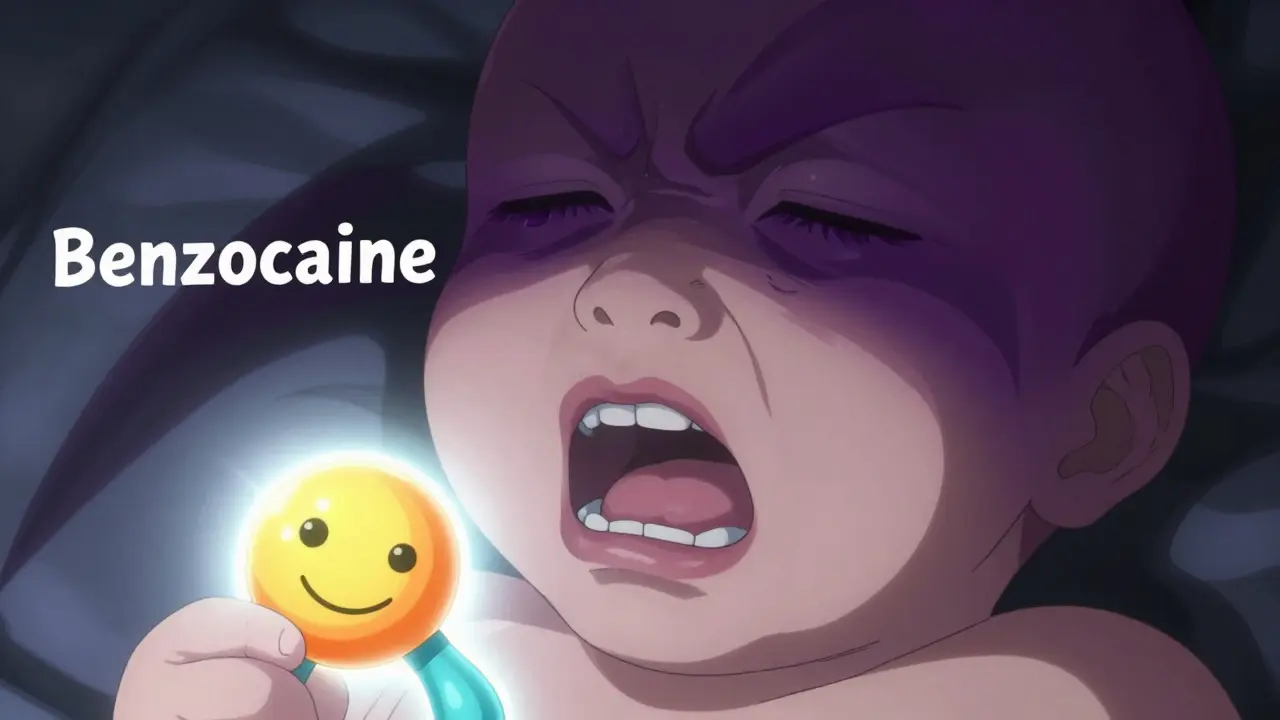
If you have a baby who is teething, you likely know about benzocaine gels. These products promise quick relief, but they carry a severe warning. The U.S. Food and Drug Administration (FDA) specifically prohibits benzocaine-containing teething products for children under two years old.
Why? Benzocaine can cause a condition called methemoglobinemia, which is a blood disorder where the blood cannot carry enough oxygen to tissues. In infants, this reaction can be life-threatening. Documented cases show oxygen saturation dropping to 70-80% within 15 to 30 minutes of application. Since 2006, there have been over 400 documented cases of methemoglobinemia in children linked to benzocaine use.
The risk is so high that experts consider it unnecessary. Dr. Lola Stair from the FDA’s Division of Drug Information notes that the risks far outweigh any transient benefit. Instead of benzocaine, stick to non-pharmacological alternatives. Chilled (not frozen) rubber teethers are effective and carry zero risk of systemic toxicity. If your child seems unusually tired, has blue lips, or is breathing heavily after using any numbing agent, seek emergency care immediately.
Navigating Topical Corticosteroids Safely
Corticosteroid creams are the most commonly prescribed topical medications for children, often used for eczema or rashes. However, they are also the source of many serious adverse events when misused. Potency matters immensely here. Steroids are classified into seven classes, with Class I being the most potent and Class VII the least.
| Class | Potency | Common Examples | Safety Profile for Children |
|---|---|---|---|
| Class I-II | Very High | Clobetasol, Betamethasone dipropionate | Avoid in children under 2; high risk of HPA axis suppression |
| Class III-IV | Medium | Triamcinolone | Use with caution; limit duration and body surface area |
| Class VI-VII | Low | Hydrocortisone | Safest option; minimal systemic absorption (<1%) |
The biggest danger with strong steroids is HPA axis suppression, which is the disruption of the body's natural cortisol production system. A 2022 systematic review found that very potent steroids caused HPA suppression in 15.8% of children, compared to just 2.3% for low-potency options. Dr. Charles Andres from the Mayo Clinic warns that applying a thick layer of hydrocortisone to 20% of an infant’s body can suppress their adrenal glands as effectively as oral prednisone.
Follow the rule of "lowest effective potency for the shortest duration." Never use a Class I steroid when a Class VII would work. And never share prescription steroids between family members. What works for a teenager’s acne might be toxic for a toddler’s rash.
Mastering the Fingertip Unit Method
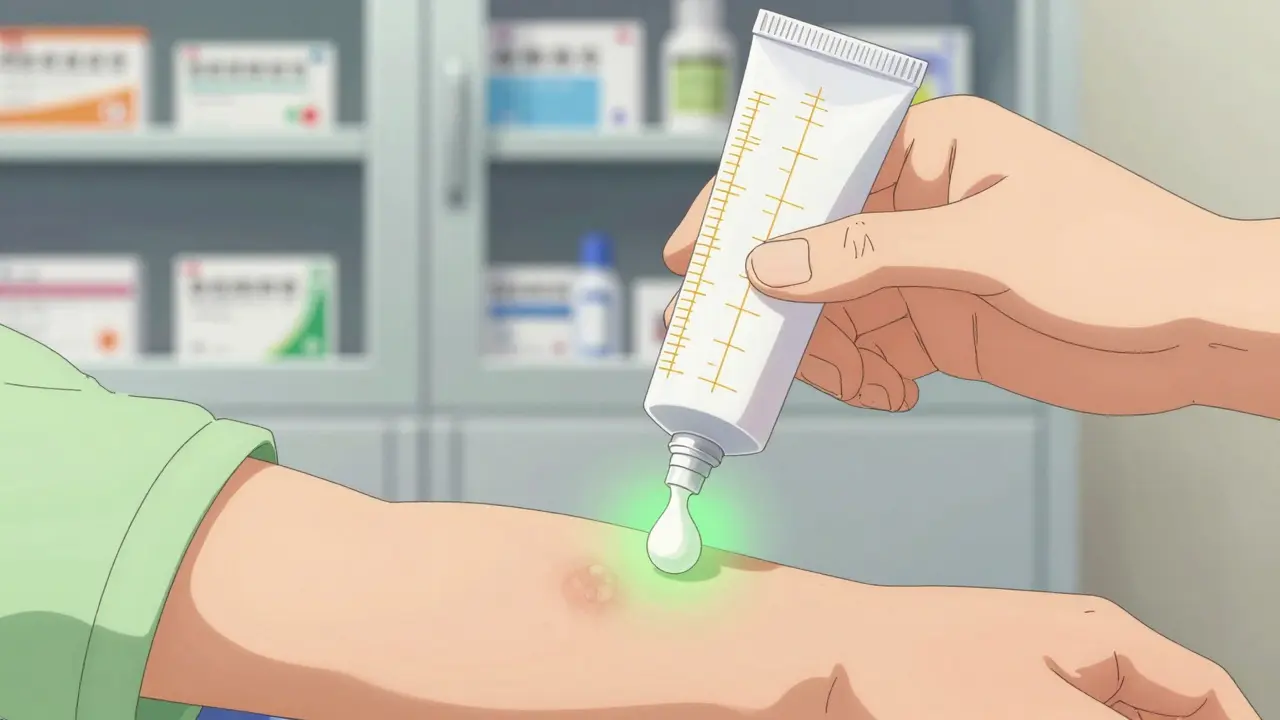
One of the most common mistakes parents make is guessing how much cream to use. "A little bit" or "a pea-sized amount" is too vague. Doctors recommend using the fingertip unit (FTU), which is a standardized measure of cream quantity squeezed from a tube.
Here is how it works:
- Squeeze the tube from the tip to the first crease of your index finger.
- This produces approximately 0.5 grams of cream.
- This amount covers an area equivalent to two adult palm sizes.
For a typical 10kg child, you should not exceed 2 grams of total topical corticosteroid per day. That translates to roughly four FTUs spread across their entire body, but even then, you should treat no more than 10% of their body surface area at one time. Using a measuring device ensures you don’t accidentally overdose your child.
Lidocaine and Local Anesthetics
Lidocaine is widely available for minor burns, insect bites, and procedural pain. While 4% lidocaine cream is approved for full-term newborns, strict limits apply. You should limit application to three times within 24 hours, with a maximum total dose of 1.2 grams. For children under three years, the dose must not exceed 24mg/kg.
Be wary of over-the-counter combinations. Many OTC pain relievers mix lidocaine with other anesthetics like dibucaine. The Consumer Product Safety Commission mandates child-resistant packaging for these products because ingestion can be fatal. In 1994, regulations were tightened after ten reported deaths from ingestion by young children. Always store these medications out of reach, preferably in a locked cabinet. Statistics show that 78% of pediatric topical exposures happen because the product was left accessible after parental use.
Alternatives: Calcineurin Inhibitors
If steroids are causing side effects or you need to treat sensitive areas like the face, talk to your doctor about calcineurin inhibitors, such as tacrolimus and pimecrolimus, which are non-steroidal anti-inflammatory creams. Tacrolimus 0.03% is approved for children aged two and older, while pimecrolimus can be used for infants as young as three months.
These medications show 72% lower systemic absorption than potent corticosteroids. They also carry a 92% lower risk of HPA axis suppression, making them a preferred first-line treatment for facial lesions according to the 2024 AAP clinical report. While they carry black box warnings about theoretical cancer risks, fifteen years of post-marketing surveillance have documented zero confirmed cases of malignancy directly attributable to these drugs. For many families, this offers a safer long-term management strategy for chronic conditions like eczema.
Storage and Emergency Preparedness
Safety starts with storage. Keep all topical medications in their original child-resistant containers. Do not transfer creams into unlabeled jars or pump bottles, which are easier for curious toddlers to open. The CPSC reports that 63% of ingestions occur when products remain accessible during parental application. Put the cap back on immediately after use.
If your child ingests a topical medication or shows signs of toxicity-such as drowsiness, breathing difficulties, or cyanosis (blueish skin discoloration)-call emergency services right away. For benzocaine toxicity, specific antidotes like methylene blue may be required. Having the Poison Control number (1-800-222-1222 in the US) saved in your phone can save precious minutes.
Can I use adult strength hydrocortisone on my baby?
Generally, no. Adult formulations may contain higher concentrations or additional ingredients not tested for infants. Always use pediatric-specific formulations or consult your doctor. Even standard 1% hydrocortisone should be used sparingly on babies due to their high absorption rates.
How do I know if my child had a reaction to a topical cream?
Watch for signs of systemic absorption rather than just local irritation. Symptoms include unusual sleepiness, irritability, nausea, vomiting, or changes in breathing. For benzocaine, look for blue or gray tones in the lips or fingernails, which indicate methemoglobinemia.
Is it safe to cover a medicated area with a bandage?
Only if explicitly instructed by your healthcare provider. Occlusion increases medication absorption by up to 500%, which can lead to overdose symptoms, especially with steroids or anesthetics. Never wrap a child’s limb tightly with plastic or adhesive tape over a medicated area without professional guidance.
What should I use instead of benzocaine for teething pain?
The safest alternatives are non-pharmacological. Use chilled (not frozen) rubber teethers, clean wet washcloths, or gentle gum massage with a clean finger. If pain persists, ask your pediatrician about age-appropriate oral analgesics like acetaminophen or ibuprofen, rather than topical numbing agents.
How much steroid cream is too much for a child?
There is no single answer, but general guidelines suggest treating no more than 10% of the body surface area at one time. For a 10kg child, the daily limit is typically around 2 grams of total steroid cream. Using the fingertip unit method helps prevent accidental over-application.