

Supplement & Medication Safety Screener
Not all bottles list every warning. Use this screener to check if your daily habits might clash with your current prescriptions.
The "Three-Minute Question" Checklist
Safety Protocol- Don't Trust the Label Alone: Only 13% of supplements voluntarily list drug conflict warnings.
- Watch for Blends: "Proprietary blends" hide exact amounts. If on sensitive meds, avoid these entirely.
- Space It Out: Separate minerals (Calcium, Mg, Iron) from thyroid/antibiotic meds by at least 4 hours.
- Verify Sources: Look for third-party seals like USP or NSF to ensure what is on the label matches what is inside.
Picking up a bottle of green tea extract at the pharmacy feels harmless, like grabbing a vitamin for energy. But mix that casually with certain heart medications, and you could accidentally turn your treatment against you. It happens more often than people admit. In 2022 alone, the U.S. Food and Drug Administration reported nearly 2,000 adverse events linked to supplements, with almost a third involving clashes with regular medicines.
The real problem isn't that you shouldn't take supplements; it's that the packaging doesn't always tell you the truth about safety. Unlike the strict warnings on prescription boxes, many supplement bottles leave dangerous gaps in the fine print. If you rely on daily medication, learning to read these labels correctly becomes a critical life skill, not just a shopping habit.
Why Supplements Don't Play By the Same Rules
You might assume every product on the shelf has passed the same safety checks as your blood pressure pills. They haven't. The rules governing what gets printed on a bottle depend entirely on what that bottle is classified as. In the United States, the Dietary Supplement Health and Education Act, known as DSHEA, established in 1994 created a distinct legal path for supplements. Under this framework, manufacturers do not need approval from the government before selling their product. They only need to notify authorities after the fact.
This "post-market" system stands in stark contrast to pharmaceutical regulation. For a prescription drug, the Federal Food, Drug, and Cosmetic Act requires extensive clinical trials proving safety and efficacy before a single pill reaches a store shelf. Manufacturers must prove exactly how the medicine interacts with others. For supplements, the burden shifts. The company claims responsibility for safety, but they are not legally required to prove that a specific ingredient won't mess with your liver enzymes or blood thinners before marketing it.
Think of it this way: When you buy a car, a mandatory safety test certifies it won't fall apart on the highway. When you buy a supplement, it's more like a custom bike built in someone's garage-it works for some, but the brake system might fail if you combine it with other gear. As of 2024, a draft proposal suggested requiring voluntary drug interaction warnings, but in 2026, the landscape remains largely unchanged for most products.
Mastering the Prescription Drug Label
If you have a regular medical condition, you likely know the standard "Drug Facts" panel on an OTC box or the "Highlights of Prescribing Information" for your scripts. These documents are standardized for a reason: consistency saves lives. The design mandates seven specific sections, including "Warnings" and "Interactions".
To verify safety, scan the Warnings section first. Studies suggest this area contains over 80% of the critical safety information. Look for phrases like "May interact with" or "Consult a doctor if taking." For prescription meds, you'll see a Black Box Warning on roughly 500 medications currently on the market. This is the FDA's strongest alert, reserved for life-threatening risks like severe liver damage or sudden heart issues.
Don't ignore the "Inactive Ingredients" list either. Sometimes fillers binders or dyes trigger reactions. A recent analysis showed that approximately 94% of OTC medications clearly list potential interactions in this structured format. When you hand the box to your pharmacist, point directly to these lines. It forces a conversation about whether adding a supplement changes the equation.

Navigating the Wild West of Supplement Facts
Now compare that reliability to the "Supplement Facts" panel. While it looks similar, the game is different. By law, a Dietary Supplement label must display serving size, amount per serving, and percent daily value. It must also declare major allergens like milk, eggs, peanuts, or soybeans. However, there is no mandated section for "Drug Interactions."
This creates a massive blind spot. A 2021 review of 500 popular supplement products found that fewer than 13% voluntarily included warnings about drug conflicts. That means the vast majority of bottles offer zero guidance on whether that magnesium gummy or turmeric capsule might neutralize your prescribed therapy.
Watch out for Proprietary Blends. This term allows companies to group ingredients together without revealing individual amounts. A consumer study found nearly 40% of supplements hide exact quantities this way. If a blend contains a high dose of Vitamin K, but the bottle lists it as part of a "Liver Support Complex," you have no idea what dosage you're consuming relative to your blood thinner medication.
| Feature | Prescription/OTC Drugs | Dietary Supplements |
|---|---|---|
| Pre-Market Approval | Required by Law | Not Required (Post-Market Only) |
| Interaction Warnings | Mandatory for Known Risks | Virtually None Listed |
| Serving Size Clarity | Exact Amounts Listed | Often Hidden in Blends |
| Enforcement | Frequent FDA Inspections | Limited Resource Oversight |
This table highlights why you cannot trust the label alone. You have to bring outside intelligence to the process.
Real-World Dangers: Specific Pairs That Clash
Abstract concepts help, but specific examples save lives. Here is what we know about common pairings based on clinical data available in 2026.
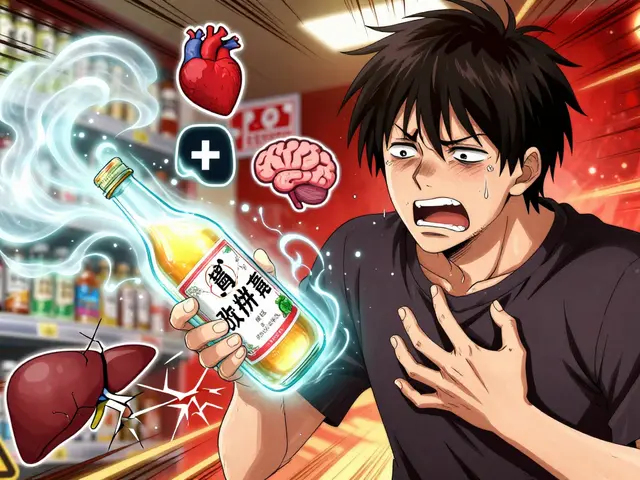
Warfarin and Vitamin K: If you take warfarin to prevent blood clots, your dose relies on stable levels of clotting factors. Vitamin K triggers clotting. Some supplements, particularly green tea extracts or multivitamins with high Vitamin K, can reduce warfarin's effectiveness by 30% to 50%. This turns a protective shield into a stroke risk. A 2023 advisory noted that patients who added green tea supplements without adjusting their meds saw significant drops in prothrombin time monitoring.
St. John's Wort and Heart Meds: Many people reach for this herb for mild depression, unaware it acts like a chemical sponge in your digestive tract. It accelerates the metabolism of digoxin, a common heart failure medication, lowering its blood concentration by nearly 26%. The result is treatment failure. Your heart might not pump effectively, leading to hospitalization.
Magnesium and Thyroid Pills: A frequent issue seen in pharmacies involves levothyroxine for hypothyroidism. People want to fix their sleep or constipation with magnesium supplements. Without spacing doses 4 hours apart, the minerals bind to the thyroid hormone in the gut. Absorption plummets, leaving the patient feeling lethargic. A student on a health forum recently shared a story of needing three pharmacists to confirm this interaction wasn't listed on their magnesium bottle.
Statins and Red Yeast Rice: Red yeast rice naturally contains monacolin K, which is chemically identical to the prescription statin lovastatin. Taking this alongside a prescribed cholesterol med essentially doubles your dose silently. It drastically raises the risk of muscle breakdown, a severe side effect called rhabdomyolysis.
Your Checklist Before You Buy
You cannot rely on the box to tell you everything. Build a defense protocol using these steps before putting anything in your bag.
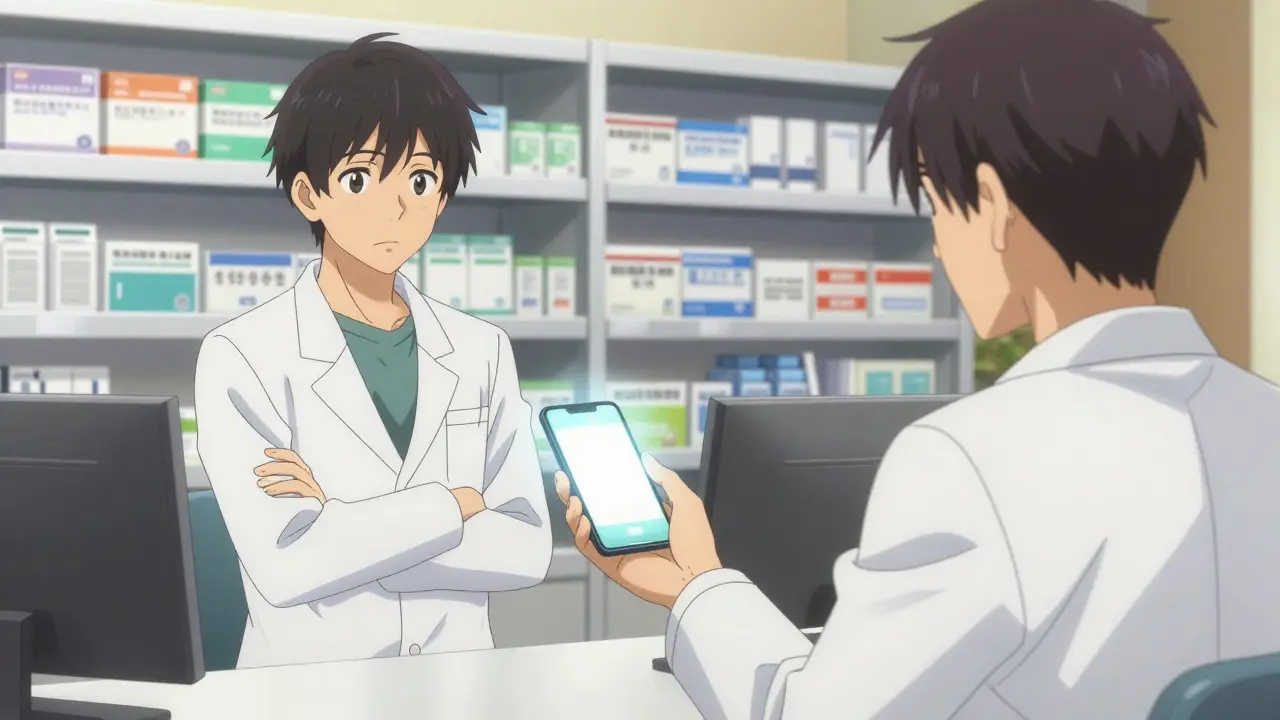
Step 1: Photograph the Panel Do not just glance at the shelf. Pull out your phone and snap a photo of the "Supplement Facts" and "Other Ingredients." Bring this image to your next appointment. Doctors can review a digital copy faster than a physical bottle.
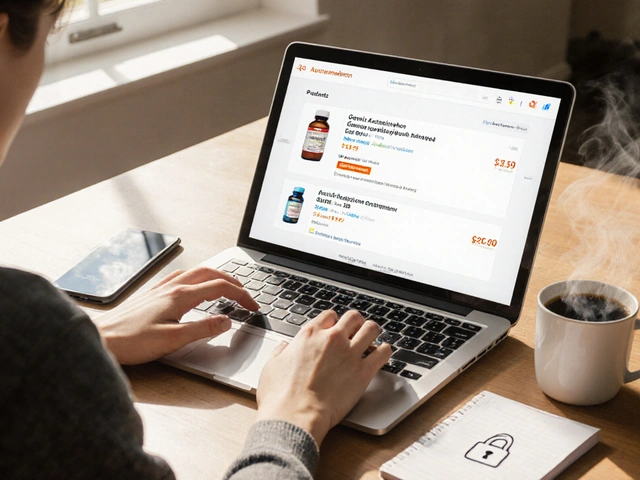
Step 2: Cross-Reference Independently Trust verified databases over brand websites. Tools like the Medscape Drug Interaction Checker allow you to input your prescribed meds against specific supplement ingredients. These tools analyze thousands of pairs, catching things manufacturers omit.
Step 3: Verify Third-Party Certification Look for seals from organizations like USP (United States Pharmacopeia) or NSF. In 2023, independent tests showed USP-certified products had 92% accuracy in matching label claims versus 67% for uncertified ones. About 18% of brands carry these marks, making them easier targets for verification.
Step 4: Ask the "Three-Minute Question" During your annual exam, ask your provider: "Are there any supplements I am currently taking that could interfere with my new medication plan?" A 2024 policy update from the American Medical Association recommends physicians spend 3-5 minutes reviewing this specifically. If they don't bring it up, you must ask.
Regulatory bodies are finally waking up. The FDA pilot program in 2024 tested QR codes linking directly to safety databases. While not universal yet, checking for a QR code on new packaging might soon provide instant access to real-time safety warnings.
Do I need to stop all supplements if I take medication?
No, you do not necessarily need to stop them. Many supplements are safe with medications. The goal is to screen them. Consult your doctor or pharmacist for each specific combination rather than stopping beneficial nutrition abruptly.
Is 'Natural' on the label a guarantee of safety?
Absolutely not. Nature includes poisons. Red yeast rice, for example, contains the same chemical as a potent prescription drug. The FDA warns that "natural" does not mean free from risk or interaction.
How long before taking my meds should I take supplements?
It depends on the specific nutrients. Generally, space calcium, magnesium, or iron supplements at least 2 to 4 hours away from thyroid or antibiotic medications to prevent absorption blocking.
Are imported supplements more risky?
What if the label just says 'Herbal Blend'?
Be cautious. Without specific dosages listed, you cannot determine the potency. If you are on sensitive medication, avoid proprietary blends entirely until you confirm the contents with the manufacturer.


Amber Armstrong
March 31, 2026 AT 16:31It is honestly terrifying how many people don't know this stuff exists until something goes wrong. My mother spent years taking green tea extract because she thought it helped with energy. She didn't realize that specific blend was messing with her heart rhythm medication. By the time we figured it out, she had already missed two follow-up appointments. The doctor finally noticed the weird readings during a routine checkup last year. We looked back at her bottle and found nothing listed on the back about interactions. It just said green leaf extract and some vague claims about vitality. You really have to dig through medical databases yourself to find the truth. Most of us just trust the pharmacy label without thinking twice about potential clashes. That mindset is dangerous when you are managing chronic conditions daily. I try to keep a digital log of everything I swallow now just to be safe. It feels like work sometimes but knowing the specifics brings so much peace of mind. Please share this information with anyone who thinks supplements are just harmless vitamins. We need better education systems teaching people how to read these labels properly. Safety shouldn't be a guessing game for elderly folks trying to stay healthy.
Rick Jackson
April 1, 2026 AT 13:55The distinction between regulation styles reveals systemic priorities in healthcare accessibility.
Beccy Smart
April 3, 2026 AT 09:00So natural products are actually chemical bombs waiting to explode? 😱🌿💥
Adryan Brown
April 3, 2026 AT 11:09We must consider the broader implications of post-market surveillance failures. Many individuals assume safety implies rigorous testing protocols similar to pharmaceutical standards. This assumption creates a false sense of security among consumers relying on alternative therapies. Regulatory gaps allow manufacturers to bypass standard liability checks before distribution begins. The burden of proof shifts entirely to the consumer rather than the seller. Understanding these distinctions empowers patients to advocate for themselves effectively. Trusting third-party certifications remains one of the most viable strategies currently available. Independent verification offers a layer of protection missing from government oversight alone. Companies prioritize profits over transparency regarding proprietary blends and ingredients. Consumers deserve clearer communication regarding potential side effects and interaction risks.
Biraju Shah
April 5, 2026 AT 05:40This is unacceptable negligence from regulatory bodies protecting public health. People die because companies hide behind legal loopholes designed to protect profits. We demand mandatory reporting for all adverse events linked to dietary products immediately.
Vikash Ranjan
April 5, 2026 AT 08:03I completely disagree with your anecdotal evidence regarding your mother. One story does not prove a systemic failure across the entire industry. Most supplements are tested extensively by manufacturers before release. You are generalizing based on fear rather than statistical probability data.
Jonathan Alexander
April 6, 2026 AT 23:18Your dismissal of real harm is frankly alarming considering the stakes involved here. Imagine losing a loved one because of misplaced confidence in labeling accuracy. This is not merely a theoretical risk anymore given recent clinical reports. Lives are being jeopardized daily by this lack of transparent communication from brands.
Charles Rogers
April 8, 2026 AT 03:45You clearly do not understand the intricacies of legislative compliance in healthcare sectors. True philosophers recognize that law often lags behind scientific discovery. Ignorance of DSHEA frameworks leads to naive consumer expectations.
Ruth Wambui
April 9, 2026 AT 03:10The pharmaceutical giants benefit immensely from keeping this information obscure. They want you confused so you never question the official narrative about safety. Red yeast rice was banned in some regions yet still floats around freely. Corporate greed dictates what ends up on the shelf for desperate shoppers.
Carolyn Kask
April 9, 2026 AT 19:04Please stop shouting demands when you cannot even cite a single credible source for your anger. Your emotional outburst adds nothing to the discussion of actual policy reform. Read the FDA guidelines before posting such inflammatory rhetoric.
Michael Kinkoph
April 9, 2026 AT 23:42Your emoji usage undermines the gravity of the situation significantly. Serious discourse requires serious punctuation; semicolons denote complex relationships between ideas. Stop trivializing medical safety with childish symbols and icons.
Jonathan Sanders
April 11, 2026 AT 05:28Oh wow, another person telling me how to live my life safely. Nothing kills joy quite like a lecture on liver enzymes from a stranger online.
emma ruth rodriguez
April 11, 2026 AT 07:49It is essential to prioritize verified databases such as Medscape for cross-referencing interactions. Patients should photograph supplement facts panels during consultations; documentation aids physician review processes significantly. Third-party seals like USP indicate higher standards for label accuracy. Space calcium or magnesium intake at least four hours from thyroid medications. Always consult providers regarding new additions to existing pharmacotherapy regimens.
sanatan kaushik
April 11, 2026 AT 14:57Why listen to experts when nature knows best? You people worry too much about rules made by big pharma. Just eat the fruit and stop reading boring boxes.
Debbie Fradin
April 12, 2026 AT 05:44I love the positivity but let's be real about the risks lurking beneath the surface. Hopeful thinking helps but verifying facts saves lives in the end.