
Chemotherapy is tough. It attacks cancer cells, but it also hits your digestive system hard. If you are starting treatment or supporting someone who is, the last thing you want to worry about is what to eat. Yet, food becomes one of the most critical tools in your recovery kit. Proper chemotherapy nutrition isn't just about 'eating healthy'-it’s a strategic approach to keeping your body strong enough to finish treatment.
You might feel nauseous, lose your appetite, or struggle with taste changes. These side effects can lead to rapid weight loss and muscle wasting, which makes the treatment harder to tolerate. The good news? You have control over this part of the journey. By adjusting how and what you eat, you can manage symptoms like nausea and maintain your weight without forcing yourself to eat foods that make you sick.
Why Your Nutritional Needs Change During Treatment
When you are healthy, standard dietary advice suggests eating three balanced meals a day. During chemotherapy, those rules change completely. Your body is under immense stress. It needs more energy to repair tissues and fight off infections caused by low white blood cell counts.
According to guidelines from the European Society for Clinical Nutrition and Metabolism (ESPEN), patients undergoing active treatment need significantly more protein and calories than usual. While a healthy adult needs about 0.8 grams of protein per kilogram of body weight, chemotherapy patients often require between 1.2 and 2.0 grams per kilogram. That is nearly double the normal amount. Caloric needs also jump by 20-30%. Think of it this way: your body is working overtime, so it needs premium fuel.
If you try to stick to a restrictive 'clean eating' plan or cut out fats and carbs to 'starve the cancer,' you are actually hurting your chances of success. Malnutrition during treatment increases toxicity risks and delays recovery. The goal right now is not long-term prevention; it is immediate survival and strength maintenance.
Strategies to Manage Nausea Without Starving
Nausea is perhaps the most common barrier to eating. For many, the smell of cooking or even the sight of food triggers vomiting. Here is how to work around it:
- Switch to small, frequent meals. Instead of three large plates, aim for five or six small snacks throughout the day. Eating a full stomach can worsen nausea. Try to consume 300-400 calories every few hours.
- Avoid strong odors. Hot foods release strong smells. Opt for cold or room-temperature foods like sandwiches, yogurt, smoothies, or chilled watermelon. These are less likely to trigger your gag reflex.
- Separate liquids from solids. Drinking water while eating fills up your stomach quickly, which can cause discomfort. Sip fluids between meals instead. Aim for at least 8-10 cups of water daily, but take them in small sips.
- Choose bland, low-fat options. Greasy or fried foods sit heavily in the stomach. Stick to dry toast, crackers, rice, bananas, and applesauce. These are easy to digest and gentle on an upset stomach.
Ginger has been shown to help reduce nausea in clinical settings. Keep ginger chews, ginger tea, or candied ginger nearby. Many patients find relief using plastic utensils if they experience a metallic taste in their mouth, a common side effect of certain drugs.
Fighting Unintended Weight Loss
Weight loss during chemotherapy is dangerous because it often comes from losing lean muscle mass, not just fat. This weakens your immune system and makes fatigue worse. To stop the scale from dropping, you need calorie-dense foods that don’t fill you up too fast.
| Food Item | Calories (Approx.) | Protein Content | Best For |
|---|---|---|---|
| Peanut Butter Crackers | 220 per serving | Moderate | Quick energy snack |
| Full-Fat Greek Yogurt | 150 per cup | High (15g+) | Cooling texture, probiotics |
| Trail Mix (Nuts & Dried Fruit) | 280 per 1/4 cup | Moderate | Portable, nutrient-dense |
| Avocado on Toast | 250 per slice | Low-Moderate | Healthy fats, soft texture |
| Homemade Protein Shake | 300-400 | Very High (20g+) | When chewing is difficult |
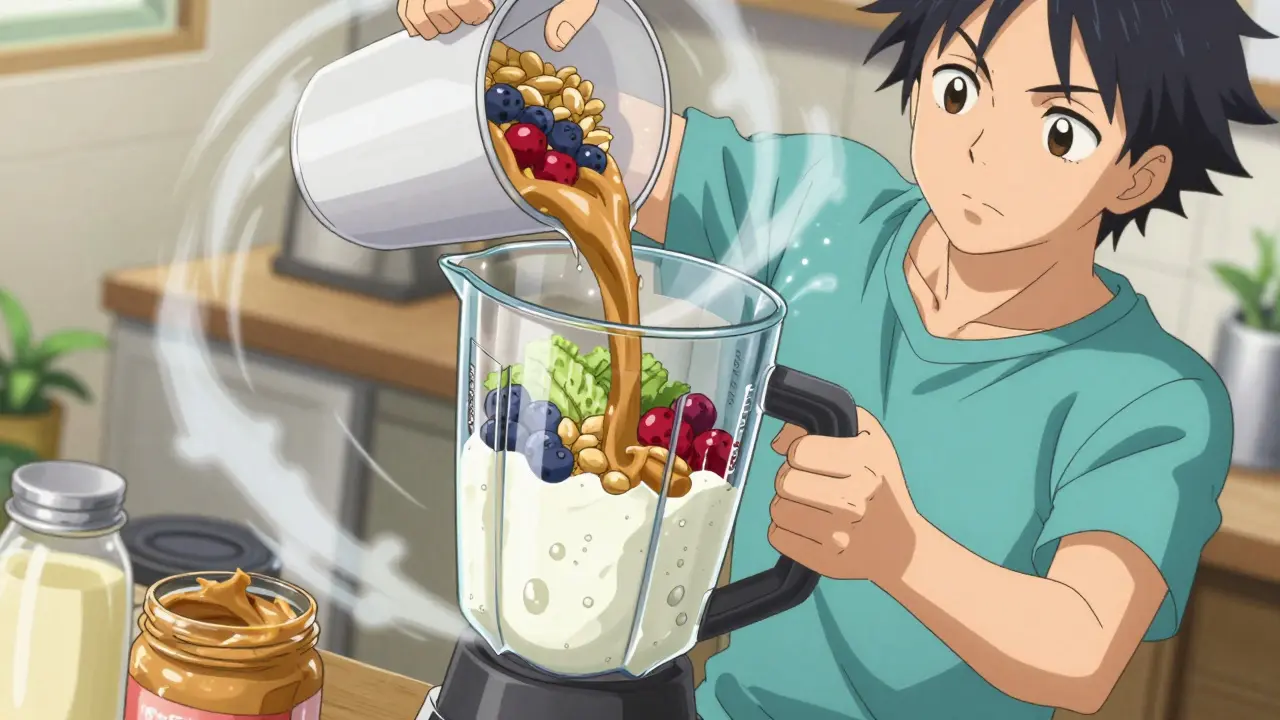
If solid food feels impossible, liquid calories are your friend. Blending a shake with full-fat milk, peanut butter, honey, and a scoop of protein powder can provide hundreds of calories in one go. Commercial supplements like Ensure Plus exist, but they can be expensive ($35-$45 for a 12-pack). Making your own versions with whole foods is often cheaper and tastes better.
Omega-3 fatty acids, found in fish oil supplements or fatty fish like salmon, may also help. Studies suggest they can improve appetite and help stabilize weight in patients who are struggling to eat. Ask your doctor before adding high-dose supplements, as they can interact with some medications.
Food Safety: Protecting Your Immune System
Chemotherapy lowers your white blood cell count, leaving you vulnerable to infections. Foods that are safe for others can be risky for you. This is called a 'neutropenic diet' precaution, though modern guidelines focus on specific high-risk items rather than avoiding all raw produce.
Here are the non-negotiables for food safety during treatment:
- No raw or undercooked meat, poultry, or fish. Salmonella and other bacteria can be deadly when your immune system is down. Cook meats thoroughly until juices run clear.
- Avoid raw eggs. This includes homemade mayonnaise, Caesar dressing, or meringue. Use pasteurized egg products instead.
- Wash fruits and vegetables thoroughly. Peel bananas, oranges, and avocados to remove surface bacteria. If you cannot peel it, wash it well with clean water.
- Be careful with deli meats and hot dogs. These can carry Listeria. Reheat them until steaming hot before eating.
- Check expiration dates. Do not eat anything that looks or smells off. When in doubt, throw it out.
Your kitchen hygiene matters too. Wash cutting boards and countertops with hot, soapy water after each use. Avoid cross-contamination between raw meat and other foods.

Dealing with Taste Changes and Mouth Sores
Many patients report that food tastes different. Meat might taste metallic, or sweet things might taste bitter. This is called dysgeusia. If your mouth is sore (mucositis), spicy, acidic, or crunchy foods can be painful.
To cope with taste changes, try marinating meats in sweet or tangy sauces like teriyaki or barbecue. Use lemon juice or vinegar to enhance flavors if salt tastes bad. If meat tastes metallic, switch to chicken, fish, eggs, or dairy proteins.
For mouth sores, stick to soft, moist foods. Think soups, stews, mashed potatoes, and scrambled eggs. Avoid citrus fruits, tomato-based sauces, and salty snacks that sting. Freezing grapes or sucking on ice chips can numb the pain temporarily. Some patients find relief using straws to bypass sore areas in the mouth.
When to Seek Professional Help
While these tips help many, nutrition during chemotherapy is highly individual. If you are losing more than 5% of your body weight in a month, or if you cannot keep food down for more than 24 hours, contact your care team immediately.
Ask for a referral to a registered dietitian who specializes in oncology nutrition. They can create a personalized plan based on your specific drug regimen, side effects, and medical history. In severe cases, where oral intake is impossible, doctors may recommend enteral (tube) feeding or parenteral (IV) nutrition to keep you strong enough to continue treatment.
Remember, you do not have to eat perfectly. You just have to eat enough. Every bite counts toward helping your body heal.
What should I eat if I have no appetite during chemotherapy?
Focus on calorie-dense liquids and soft foods. Smoothies made with full-fat yogurt, banana, and peanut butter are easy to drink and pack lots of nutrients. Cold foods like gelatin, pudding, or chilled fruit often appeal more than hot meals. Set a timer to eat a small snack every two hours, even if you are not hungry. Consistency matters more than volume.
Is it safe to eat raw fruits and vegetables during chemo?
It depends on your white blood cell count. Generally, you should avoid unwashed produce. Always wash fruits and vegetables thoroughly. Peeling fruits like bananas, oranges, and melons removes surface bacteria and is safer. If your neutrophil count is very low, your doctor may advise cooking all vegetables to kill potential pathogens.
How much protein do I really need during treatment?
You need significantly more than usual. Guidelines suggest 1.2 to 2.0 grams of protein per kilogram of body weight daily. For a person weighing 70kg (154 lbs), this means aiming for 84-140 grams of protein a day. Include protein in every meal and snack: eggs, Greek yogurt, cottage cheese, nuts, seeds, and lean meats.
Can supplements replace real food during chemotherapy?
Supplements can help fill gaps, but they should not replace whole foods entirely unless advised by a doctor. Whole foods provide fiber, vitamins, and phytonutrients that pills lack. However, if you cannot eat solid food, oral nutritional supplements (like Ensure or Boost) or homemade shakes are vital to prevent malnutrition. Always check with your oncologist before taking herbal supplements, as some can interfere with chemo drugs.
What helps with nausea caused by chemotherapy?
Try eating small, bland meals frequently. Ginger (chews, tea, or capsules) is clinically proven to help nausea. Avoid greasy, spicy, or strongly smelling foods. Eat cold or room-temperature items. Stay hydrated by sipping fluids between meals, not with them. If nausea persists, ask your doctor about anti-nausea medications; there are several effective options available.