
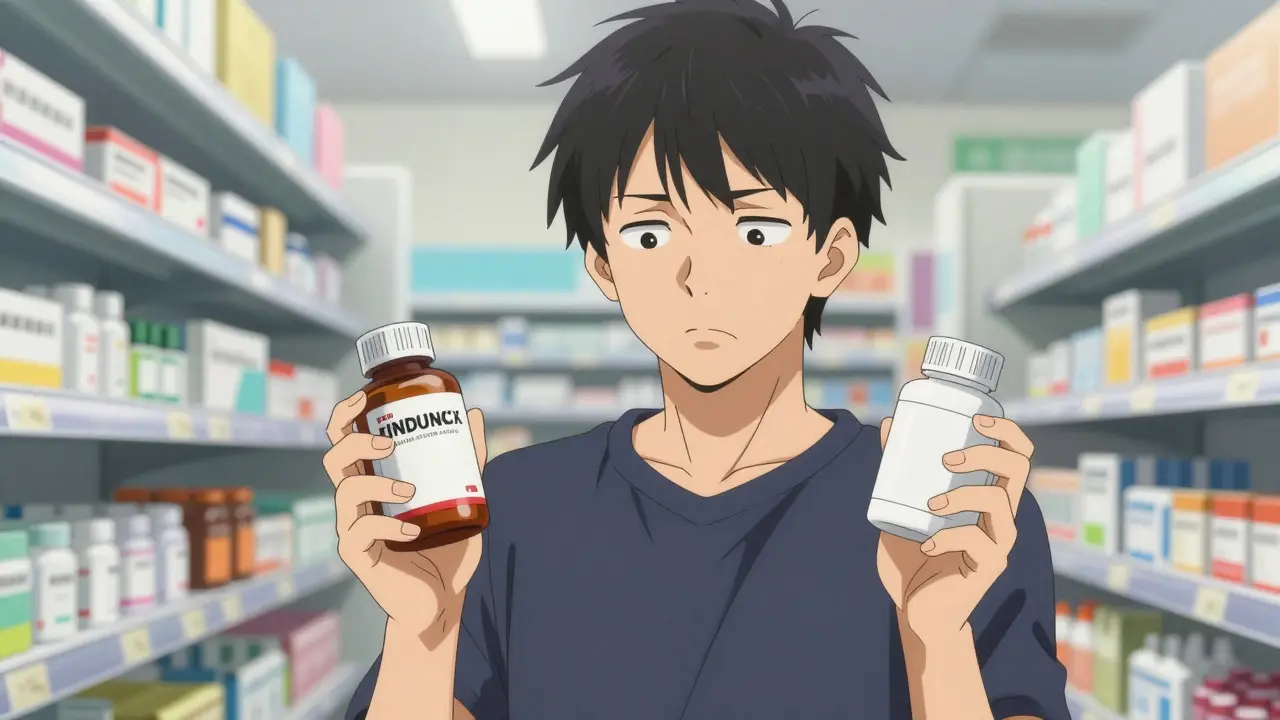
Imagine getting the exact same medicine you’ve trusted for years but paying significantly less. That’s the promise of an authorized generic, which is a pharmaceutical product identical in formulation to its brand-name counterpart but sold without the brand label by the original manufacturer or licensee. It sounds like a no-brainer, right? But when your pharmacist hands you a pill that looks different or has a new name on the bottle, it’s natural to pause. Is it safe? Will it work the same? Why does my insurance insist on this change?
These questions are common because authorized generics sit in a unique middle ground between expensive brand-name drugs and traditional generics made by third-party companies. Unlike standard generics, which must prove they are bioequivalent through separate testing, authorized generics are literally the brand-name drug repackaged under a different label. They operate under the original New Drug Application (NDA), meaning they skip the lengthy approval process required for other generics. This distinction makes them a powerful tool for lowering costs while maintaining therapeutic equivalence, but it also creates confusion for patients navigating their prescriptions.
What Exactly Is an Authorized Generic?
To understand why you’re being switched, you first need to know what an authorized generic actually is. It is not a copycat version made by a competitor. Instead, it is produced by the same company that makes the brand-name drug, in the same facilities, using the same ingredients and manufacturing processes. The only difference is the packaging and the price tag.
This concept emerged after the 1984 Hatch-Waxman Act, which allowed generic manufacturers to enter the market once patents expired. However, the law inadvertently created a loophole: brand manufacturers could sell their own product as a generic during the 180-day exclusivity period reserved for the first generic filer. According to the Federal Trade Commission (FTC), this strategy allows brand companies to compete with themselves, driving down prices without losing control over production quality.
The key takeaway here is identity. An authorized generic contains the identical active ingredient-the part that treats your condition-and usually the same inactive ingredients, such as fillers and binders. Because it relies on the original NDA, it doesn’t need to undergo separate bioequivalence testing. This means you aren’t taking a “similar” drug; you are taking the brand-name drug, just labeled differently.
Why Switch From Brand to Authorized Generic?
The primary reason for switching is cost. Studies show that authorized generics typically reduce initial drug prices by 8.4% to 18.2% compared to the brand-name version. For patients paying out-of-pocket, this can mean saving $15 to $30 per prescription. Even with insurance, these savings often translate into lower copays or reduced deductibles.
Insurance companies love authorized generics because they offer predictable pricing and high-quality assurance. Most health plans automatically substitute authorized generics when available, affecting 80-90% of prescriptions where they exist. This isn’t just about penny-pinching; it’s about making essential medications more accessible. When an authorized generic enters the market, it often lowers both retail and wholesale prices, benefiting the entire supply chain.
However, there’s a strategic side to this too. Brand manufacturers use authorized generics to maintain market share during patent transitions. While critics argue this might discourage true generic competition in the long run, the immediate benefit for patients is clear: cheaper access to a proven effective medication. If you’re on a fixed income or managing multiple chronic conditions, every dollar saved on medication adds up quickly.
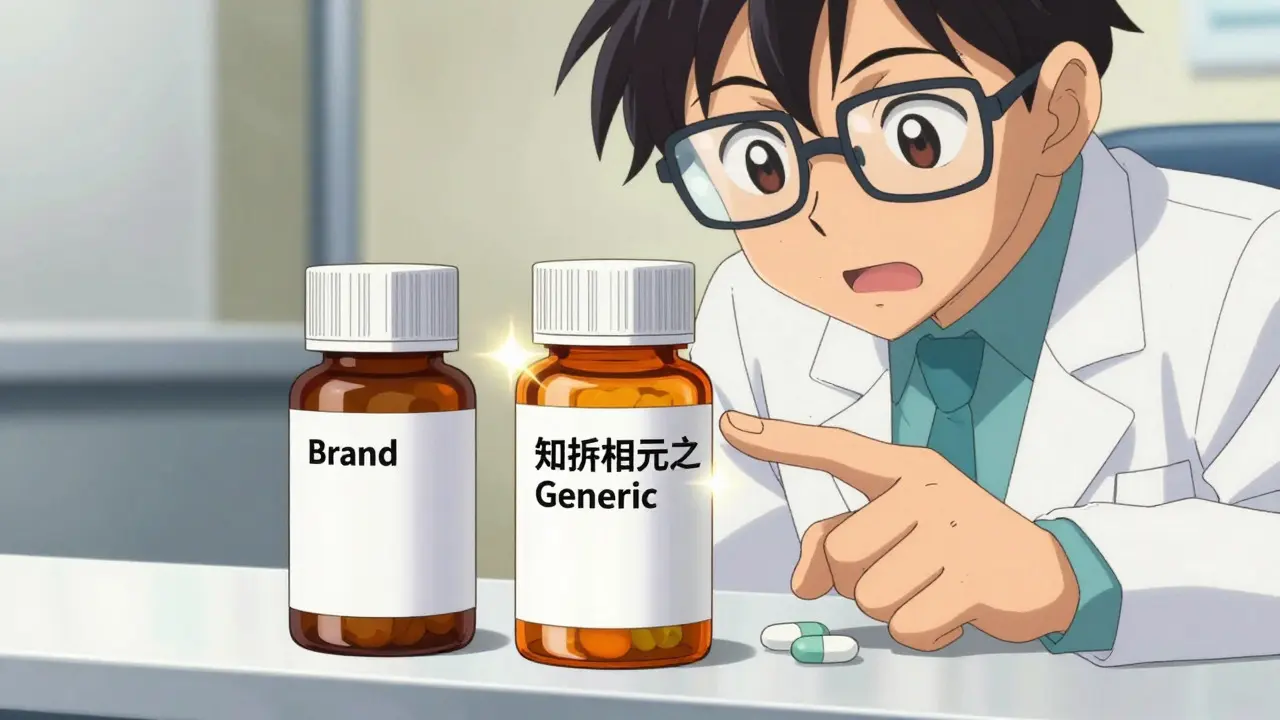
How Authorized Generics Differ From Traditional Generics
Not all generics are created equal. Understanding the difference between an authorized generic and a traditional generic can ease much of the anxiety around switching. Traditional generics are made by different companies and must demonstrate bioequivalence-meaning they deliver the same amount of active ingredient into your bloodstream over the same time frame as the brand-name drug. However, they may use different inactive ingredients, which can sometimes cause issues for patients with specific allergies or sensitivities.
Authorized generics, on the other hand, bypass this step entirely. Since they come from the original manufacturer, they guarantee identical composition. Here’s a quick comparison to clarify:
| Feature | Brand-Name Drug | Authorized Generic | Traditional Generic |
|---|---|---|---|
| Manufacturer | Original Company | Original Company | Different Company |
| Active Ingredient | Identical | Identical | Identical |
| Inactive Ingredients | Specific Formula | Usually Identical | May Vary |
| Approval Process | New Drug Application (NDA) | Uses Original NDA | Abbreviated New Drug Application (ANDA) |
| Pill Appearance | Consistent | May Change | Often Different |
| Cost | Highest | Moderate | Lowest |
One major point of confusion is appearance. Because authorized generics are made by the same company, they might look exactly like the brand-name pill, or they might have a different color or shape if the manufacturer decides to update the packaging. This visual change doesn’t affect how the drug works, but it can trigger doubt in patients who rely on familiar cues to identify their medication.
Practical Steps for a Smooth Transition
Switching to an authorized generic shouldn’t be stressful if you prepare properly. Here’s a step-by-step guide to ensure a smooth transition:
- Verify the Product: Before accepting the switch, confirm that the medication is indeed an authorized generic. You can check the FDA’s quarterly updated list of reported authorized generics online. Don’t assume all generics are equivalent; look for the specific designation.
- Talk to Your Pharmacist: Pharmacists are your best resource. Ask them to explain why the switch is happening and whether the inactive ingredients remain the same. If you have known allergies to certain dyes or fillers, mention this explicitly.
- Check Insurance Coverage: Most plans require substitution, but some specialty tier medications may need prior authorization. Call your insurer to understand your out-of-pocket costs and whether any paperwork is needed.
- Monitor for Changes: Keep track of how you feel during the first few weeks. While clinical studies show similar outcomes between authorized generics and traditional generics, individual responses can vary. Note any side effects or changes in efficacy.
- Update Your Records: Ensure your pharmacy records reflect the switch accurately. This is crucial for patients with complex regimens or those seeing multiple specialists who need to stay informed about your current medications.
Remember, the dosing and administration instructions remain identical. You don’t need to adjust your routine unless your doctor advises otherwise. The learning curve is minimal, but understanding the insurance implications may take a bit of time. Plan for a 15-20 minute conversation with your pharmacist to cover all bases.

Addressing Common Concerns and Myths
Despite the evidence supporting authorized generics, misconceptions persist. One of the biggest fears is that “generic” means “inferior.” In reality, the FDA requires strict quality standards for all drugs, regardless of branding. A 2018 study published in Health Affairs found that patients switching to authorized generics had similar medication discontinuation rates and hospitalization risks compared to those staying on brand-name drugs.
Another concern is the potential for anti-competitive behavior. Some analysts worry that brand companies use authorized generics to block true generic competition. While this is a valid market observation, it hasn’t translated into negative patient outcomes so far. On the contrary, the FTC’s 2011 report confirmed that authorized generics led to lower retail and wholesale prices, benefiting consumers directly.
Patient anxiety often stems from appearance differences. Approximately 65% of questions pharmacists receive about authorized generics relate to changes in pill color or shape. Reassuringly, these changes are purely cosmetic. As one industry expert noted, “The changes do not impact safety or effectiveness.” If you’re still uneasy, ask your pharmacist to show you the physical characteristics of both versions side by side.
Looking Ahead: The Future of Authorized Generics
The landscape of authorized generics is evolving. Recent data shows a 22% year-over-year increase in authorized generic introductions from 2020 to 2022, particularly among specialty pharmaceuticals. Industry analysts predict this trend will continue, with up to 35% of biologic drugs losing patent protection through 2028 having authorized versions.
Regulatory transparency is improving too. The FDA updated its notification requirements in 2020, mandating more detailed reporting of AG introductions. This information is now integrated into major pharmacy management systems, allowing providers and patients to be alerted automatically during dispensing. These developments make it easier than ever to navigate switches confidently.
For patients, the message is clear: authorized generics offer a reliable, cost-effective alternative to brand-name drugs without compromising quality. By understanding what they are, verifying their legitimacy, and communicating openly with healthcare providers, you can embrace this option with peace of mind.
Is an authorized generic the same as a regular generic?
No, they are different. An authorized generic is made by the same company as the brand-name drug and uses the original New Drug Application (NDA). A regular generic is made by a different company and must go through a separate Abbreviated New Drug Application (ANDA) process to prove bioequivalence. Both are safe and effective, but authorized generics guarantee identical formulation to the brand.
Can I refuse an authorized generic and stick with the brand name?
Yes, you can request the brand-name drug, but your insurance may not cover it fully. Most health plans require substitution when an authorized generic is available. To keep the brand, you might need prior authorization from your doctor or pay the higher out-of-pocket cost yourself. Talk to your pharmacist about the financial implications before deciding.
Why does my authorized generic look different from the brand name?
Appearance differences are common due to changes in packaging, coloring agents, or shaping techniques used by the manufacturer. These changes are cosmetic and do not affect the drug’s performance. The active ingredient remains identical, ensuring the same therapeutic effect. If you have allergies to specific dyes, inform your pharmacist to check the inactive ingredients.
Are authorized generics covered by Medicare Part D?
Yes, most Medicare Part D plans cover authorized generics and often prefer them due to lower costs. Data shows that 78% of beneficiaries are automatically switched to authorized generics when available. This helps reduce overall plan expenses and keeps premiums manageable for everyone enrolled.
How do I verify if a drug is an authorized generic?
You can check the FDA’s quarterly updated list of reported authorized generics on their official website. Additionally, your pharmacist can confirm the status of the medication. Look for the National Drug Code (NDC) on the bottle and cross-reference it with the FDA database to ensure accuracy.