
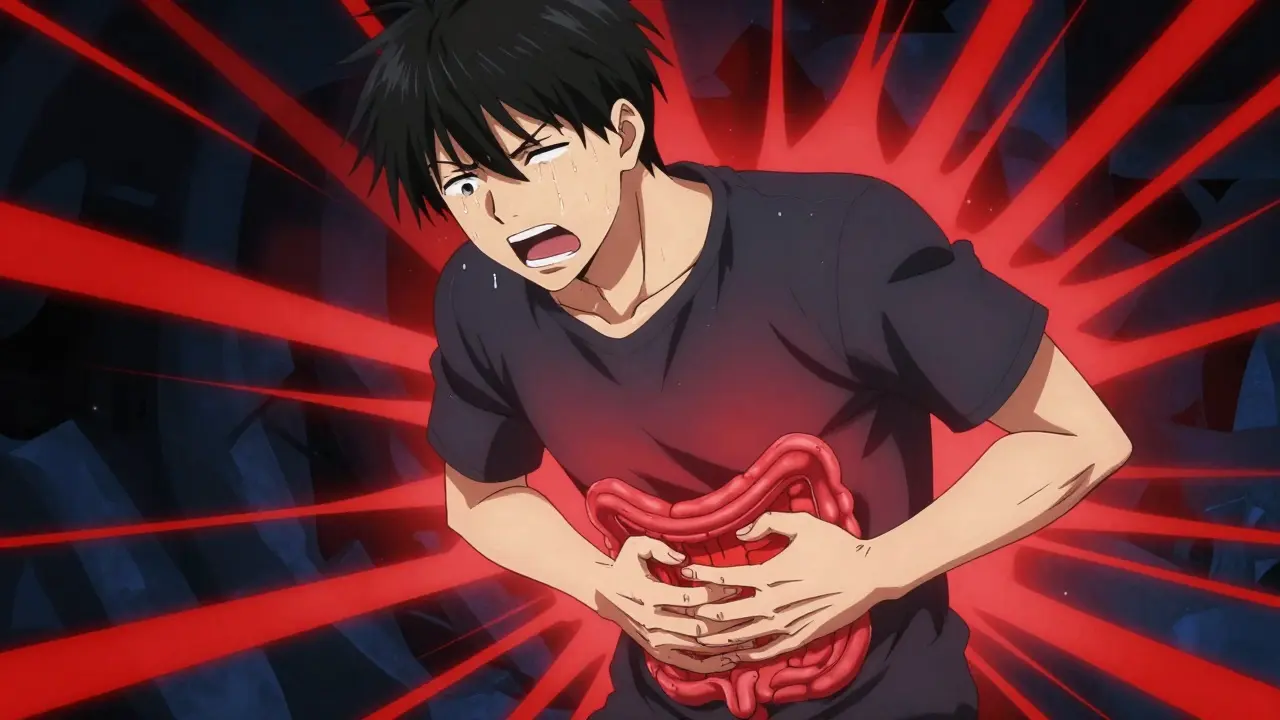
Imagine a sudden, sharp pain in your lower left abdomen that feels less like a cramp and more like being stabbed. You might have a fever, nausea, and an urgent need to rest. This is the reality for millions of people dealing with diverticulitis, a condition where small pouches in your colon become inflamed or infected. It’s not just a minor stomach upset; it’s a significant gastrointestinal event that requires specific management to prevent serious complications like abscesses or perforations.
If you’ve been diagnosed with this condition or suspect you have it, understanding what’s happening inside your body is the first step toward getting relief. We used to think this was strictly a disease of aging, but recent data shows younger adults are increasingly affected. Let’s break down what causes these inflamed pouches, how doctors diagnose them accurately, and what the latest evidence says about treating them-because the old rules are changing fast.
What Are Diverticula and Why Do They Inflate?
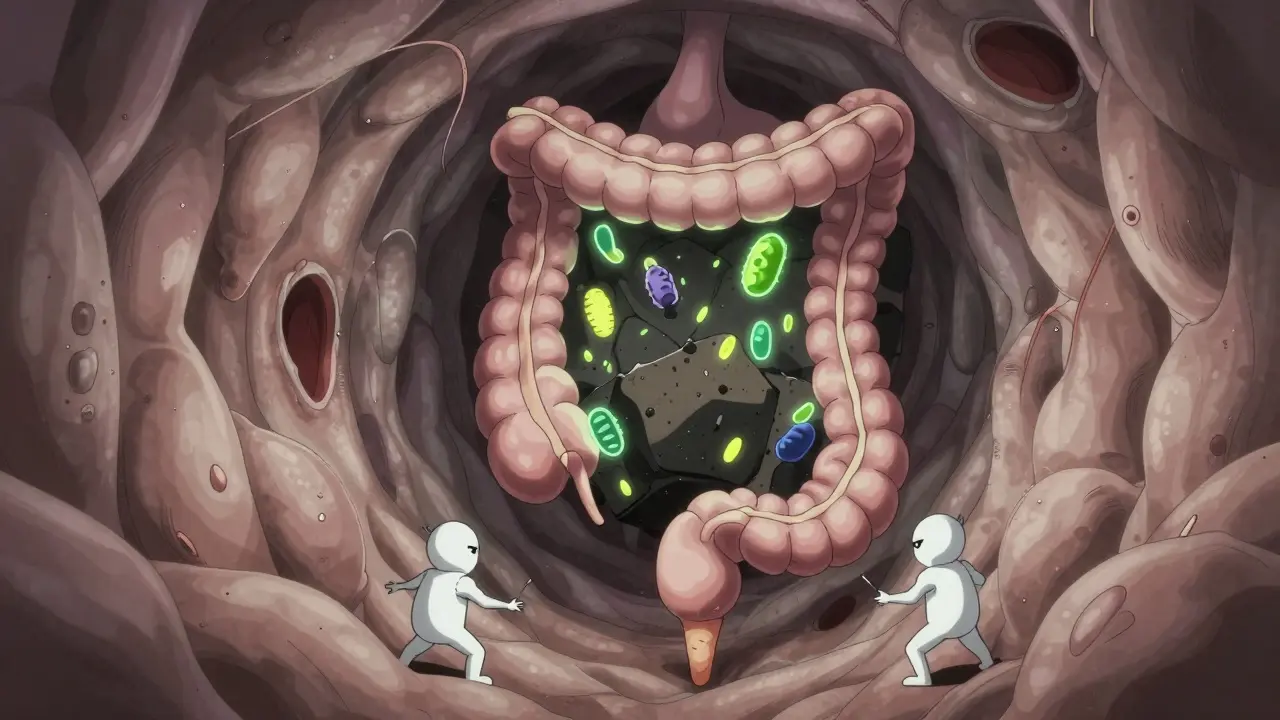
To understand diverticulitis, you first need to know about diverticulosis, the precursor state where small sacs, called diverticula, form in the wall of your large intestine. These pouches typically measure between 5 and 10 millimeters in diameter. Think of them like weak spots on an inner tube that bulge outward when pressure builds up. In most people, these pouches sit quietly without causing any symptoms. However, when waste gets trapped inside them, bacteria can overgrow, leading to inflammation and infection-this is diverticulitis.
The primary driver behind this process is often increased pressure within the colon, frequently caused by chronic constipation or a diet low in fiber. When stool moves slowly through the intestines, it becomes harder and drier, forcing the muscles in the colon wall to squeeze harder. Over time, this strain pushes the mucosal lining through the weaker muscular layers. According to data from the National Institute of Diabetes and Digestive and Kidney Diseases (NIDDK), about 35% of U.S. adults aged 50 or younger already have diverticulosis, and that number jumps to 58% for those over 60.
Most of these pouches form in the sigmoid colon, which is why pain usually strikes on the lower left side of your abdomen. However, anatomy varies. People of Asian descent, for instance, are more likely to develop right-sided diverticula due to differences in colonic structure. This geographical variation means that if you’re experiencing right-sided abdominal pain, don’t assume it’s unrelated just because standard textbooks point to the left.
Spotting the Signs: Diagnosis and Differentiation
Diagnosing diverticulitis isn’t always straightforward because its symptoms can mimic other common ailments. The hallmark sign is persistent abdominal pain, typically localized to one quadrant. Unlike the cramping associated with irritable bowel syndrome (IBS), which comes and goes, diverticulitis pain is constant and often worsens with movement. About 70-80% of patients also experience a fever above 38°C (100.4°F), along with changes in bowel habits, such as constipation or diarrhea.
Doctors rely on a combination of physical exams, blood tests, and imaging to confirm the diagnosis. A key indicator is leukocytosis, or an elevated white blood cell count greater than 11,000 cells/µL, which signals that your body is fighting an infection. However, the gold standard for diagnosis is a computed tomography (CT) scan. A CT scan provides a detailed view of the colon, allowing physicians to see pericolic inflammation and rule out other conditions like kidney stones, ovarian cysts, or Crohn’s disease.
Misdiagnosis is still a risk. Studies suggest that up to 25% of acute left lower quadrant pain cases are initially misidentified. This is dangerous because treating IBS with anti-diarrheals during an active diverticulitis episode can worsen the blockage. If you have severe pain, fever, and tenderness, insist on proper imaging rather than settling for a guesswork diagnosis.
How Severe Is Your Case? The Hinchey Classification
Not all cases of diverticulitis are created equal. To determine the best course of action, medical professionals use the Hinchey classification system to grade severity based on the extent of inflammation and potential complications. Understanding your stage helps clarify why your doctor recommends certain treatments over others.
- Stage I: Inflammation is confined to the area immediately surrounding the colon (pericolic). There may be a small abscess less than 3cm. This is often treated outpatient.
- Stage II: The infection has spread further, forming a larger pelvic abscess between 3cm and 5cm. This usually requires drainage and stronger antibiotics.
- Stage III: Generalized purulent peritonitis occurs when pus spreads throughout the abdominal cavity. This is a surgical emergency.
- Stage IV: Fecal peritonitis results from a complete perforation of the colon, leaking stool into the abdomen. This life-threatening condition requires immediate surgery.
Knowing where you fall on this spectrum is crucial. Mild cases (Stage I) can often be managed at home, while Stages III and IV require hospitalization and potentially life-saving intervention. The shift in modern medicine is toward early identification using CT scans to catch Stage I and II cases before they escalate.
Treatment Approaches: Antibiotics vs. Conservative Care
For years, the automatic response to diverticulitis was a heavy dose of antibiotics. That approach is shifting dramatically. Recent guidelines from the American Gastroenterological Association (AGA) and findings from the DIVERT trial published in the New England Journal of Medicine suggest that for mild, uncomplicated cases, antibiotics may not be necessary.
The DIVERT trial compared patients treated with antibiotics against those who received only supportive care. The results showed no significant difference in recovery time-the antibiotic group recovered in an average of 7.3 days, while the non-antibiotic group recovered in 7.0 days. This challenges the long-held belief that bacterial eradication is essential for every case. Instead, many experts now advocate for "bowel rest," hydration, and pain management for mild presentations.
| Severity | Setting | Dietary Approach | Medication |
|---|---|---|---|
| Mild (Hinchey Ia) | Outpatient/Home | Clear liquids for 48-72 hours, then low-fiber | Optional antibiotics (e.g., amoxicillin-clavulanate); Acetaminophen for pain |
| Moderate (Hinchey Ib-II) | Hospitalization | NPO (nothing by mouth) initially, IV fluids | IV antibiotics (e.g., piperacillin-tazobactam) for 48-72 hours |
| Complicated (Hinchey III-IV) | Surgical Unit | Post-operative nutrition support | Broad-spectrum antibiotics; Surgical intervention (lavage or resection) |
However, caution remains vital. If you have a high fever (>38.5°C), significant leukocytosis, or signs of sepsis, antibiotics are still mandatory to prevent the infection from spreading. Pain management also requires care. Non-steroidal anti-inflammatory drugs (NSAIDs) like ibuprofen are generally avoided because they increase the risk of gastrointestinal bleeding and perforation. Acetaminophen is the preferred option for pain relief during an acute flare-up.
Lifestyle Changes: Preventing Recurrence
Once the acute phase passes, the focus shifts to prevention. Recurrence rates hover between 15% and 30%, meaning one in three patients will experience another attack. The cornerstone of prevention is dietary modification, specifically increasing fiber intake.
Historically, patients were told to avoid nuts, seeds, corn, and popcorn, fearing these small particles would get lodged in the pouches. This advice has been thoroughly debunked. An 18-year study published in the British Medical Journal, tracking nearly 47,000 participants, found no increased risk of diverticulitis from consuming these foods. In fact, a high-fiber diet-aiming for 35 grams daily-is linked to fewer attacks and better overall gut health.
Fiber works by adding bulk to your stool, making it softer and easier to pass, which reduces the pressure inside the colon. Sources include whole grains, fruits, vegetables, and legumes. Increase your fiber intake gradually to avoid bloating, and drink plenty of water to help the fiber work effectively. Other lifestyle factors play a role too. Obesity, smoking, and a sedentary lifestyle significantly raise your risk. Regular exercise, even just two hours a week, has been shown to reduce incidence by 38%.

When Surgery Becomes Necessary
Despite best efforts, some patients face recurrent attacks or complications that necessitate surgery. The decision to operate is complex and depends on frequency, severity, and impact on quality of life. Previously, surgeons waited for three or four attacks before recommending elective colectomy (removal of the affected colon segment). Now, guidelines from the American Society of Colon and Rectal Surgeons (ASCRS) suggest considering surgery after just two attacks, especially if they required hospitalization.
This shift acknowledges that living with the fear of another attack affects mental health and daily functioning. For complicated cases involving perforation, laparoscopic lavage (washing out the abdomen) is increasingly used for contained leaks, showing an 82% success rate in recent trials. However, primary resection remains the standard for widespread contamination. Post-surgery, patients typically recover well, with many reporting improved quality of life and freedom from chronic pain.
Emerging Treatments and Future Directions
Medical science continues to evolve in managing diverticular disease. One promising development is the use of mesalazine (Pentasa®), approved by the FDA in 2023 for maintenance therapy. Clinical trials showed it reduced recurrence rates by 31% over 12 months compared to placebo. While not yet a universal standard, it offers hope for those struggling with frequent flares despite dietary changes.
Another frontier is the gut microbiome. Research funded by the NIDDK indicates that patients with diverticulitis have lower levels of beneficial bacteria like *Faecalibacterium prausnitzii*, which helps modulate inflammation. Future therapies may include targeted probiotics or fecal microbiota transplantation to restore a healthy microbial balance. Additionally, AI-driven predictive analytics are being developed to assess individual recurrence risks based on CT scans and patient demographics, allowing for more personalized care plans.
Can diverticulitis go away on its own?
Mild, uncomplicated cases can sometimes resolve with conservative management like bowel rest, hydration, and clear liquids, without antibiotics. However, this should only be done under a doctor's supervision. Moderate to severe cases rarely resolve on their own and require medical intervention to prevent serious complications like abscesses or perforation.
Is diverticulitis contagious?
No, diverticulitis is not contagious. It is caused by structural changes in the colon wall and subsequent inflammation or infection of the diverticula. You cannot catch it from someone else, nor can you pass it to family members.
What foods should I avoid during an acute flare-up?
During an acute attack, you should avoid high-fiber foods like raw vegetables, whole grains, nuts, and seeds, as they can irritate the inflamed colon. Stick to a clear liquid diet for the first 48-72 hours, then progress to low-fiber foods like white bread, eggs, and cooked fruits without skin. Once healed, you can reintroduce fiber gradually.
How long does it take to recover from diverticulitis?
Recovery time varies by severity. For mild cases treated at home, symptoms often improve within 3 to 7 days. More severe cases requiring hospitalization and IV antibiotics may take 10 to 14 days to fully recover. After discharge, it’s important to follow up with a colonoscopy 6-8 weeks later to ensure healing and rule out other conditions.
Does age affect the risk of developing diverticulitis?
Yes, age is a significant risk factor. The prevalence of diverticulosis increases with age, affecting 35% of adults under 50 and 58% of those over 60. However, recent trends show a rise in cases among younger adults (18-44), possibly due to dietary changes and obesity rates in this demographic.