
Have you ever eaten a snack and felt hungry again twenty minutes later? It’s frustrating. You reach for something to curb the mid-afternoon slump, but instead of staying full, you’re just adding empty calories to your day. This cycle is exactly why high-protein, low-calorie snacking has become such a powerful tool for weight management. It’s not just about eating less; it’s about eating smarter to keep your metabolism humming and your hunger hormones in check.
The science behind this approach is straightforward. Protein triggers the release of satiety hormones like PYY and GLP-1 more effectively than carbohydrates or fats. Studies show that protein can increase these fullness signals by 15-25% compared to carb-heavy snacks. Plus, your body burns more energy digesting protein-a phenomenon called the thermic effect of food-where you expend 20-30% of the protein's calories just breaking it down, versus only 5-10% for carbs. When you combine this metabolic boost with lower calorie counts, you create a snack strategy that supports both muscle preservation and fat loss.
Why Protein Is Your Best Friend for Satiety
You might wonder why we focus so heavily on protein rather than just fiber or healthy fats. While all three are important, protein hits the sweet spot for appetite control. According to research published in the Journal of the International Society of Sports Nutrition, consuming 20-40g of protein per meal or snack optimizes muscle protein synthesis. This means your body uses the protein to repair and build muscle tissue rather than storing it as fat.
When you skip protein in your snacks, your blood sugar can spike and crash, leading to those intense cravings for sweets. By choosing a high-protein option, you stabilize your glucose levels. Dr. David Ludwig from Harvard T.H. Chan School of Public Health notes that protein snacks can reduce subsequent meal intake by 12-15%. Essentially, a smart snack now prevents overeating later. The goal is simple: aim for 10-30g of protein per serving while keeping total calories under 200.
Top Animal-Based Protein Snacks
If you eat animal products, you have access to "complete" proteins. These contain all nine essential amino acids your body needs. They score a perfect 1.0 on the Protein Digestibility Corrected Amino Acid Score (PDCAAS), meaning your body absorbs them efficiently. Here are some of the best options based on nutritional density and user satisfaction.
- Greek Yogurt: A 100g portion of unsweetened Greek yogurt provides about 10g of protein for just 59 calories. It’s creamy, versatile, and pairs well with berries. Look for plain varieties to avoid hidden sugars.
- Hard-Boiled Eggs: One large egg delivers 6g of protein for 78 calories. They are portable, require minimal prep if you batch-cook them, and are incredibly satisfying. Users on platforms like MyFitnessPal log hard-boiled eggs as their #1 high-protein snack.
- Cottage Cheese: Often overlooked, cottage cheese is a powerhouse. A half-cup serving offers roughly 14g of protein for around 120 calories. It has a unique texture that many find very filling. You can eat it savory with pepper or sweet with fruit.
- Tuna Packs: Water-packed tuna is nearly pure protein. A small pouch gives you about 20g of protein for just 70-90 calories. It’s shelf-stable and perfect for office drawers or gym bags.
One thing to watch with animal-based snacks is sodium content. Processed options like jerky can pack 500-700mg of sodium per ounce, which is nearly a quarter of your daily limit. Opt for fresh or minimally processed versions when possible.
Best Plant-Based Protein Alternatives
For those who prefer plant-based diets, getting complete protein requires a bit more strategy, but it’s entirely doable. Plant proteins often come with the bonus of fiber, which further enhances satiety. While they may score slightly lower on PDCAAS (0.7-0.8 for legumes), combining different sources throughout the day ensures you get all essential amino acids.
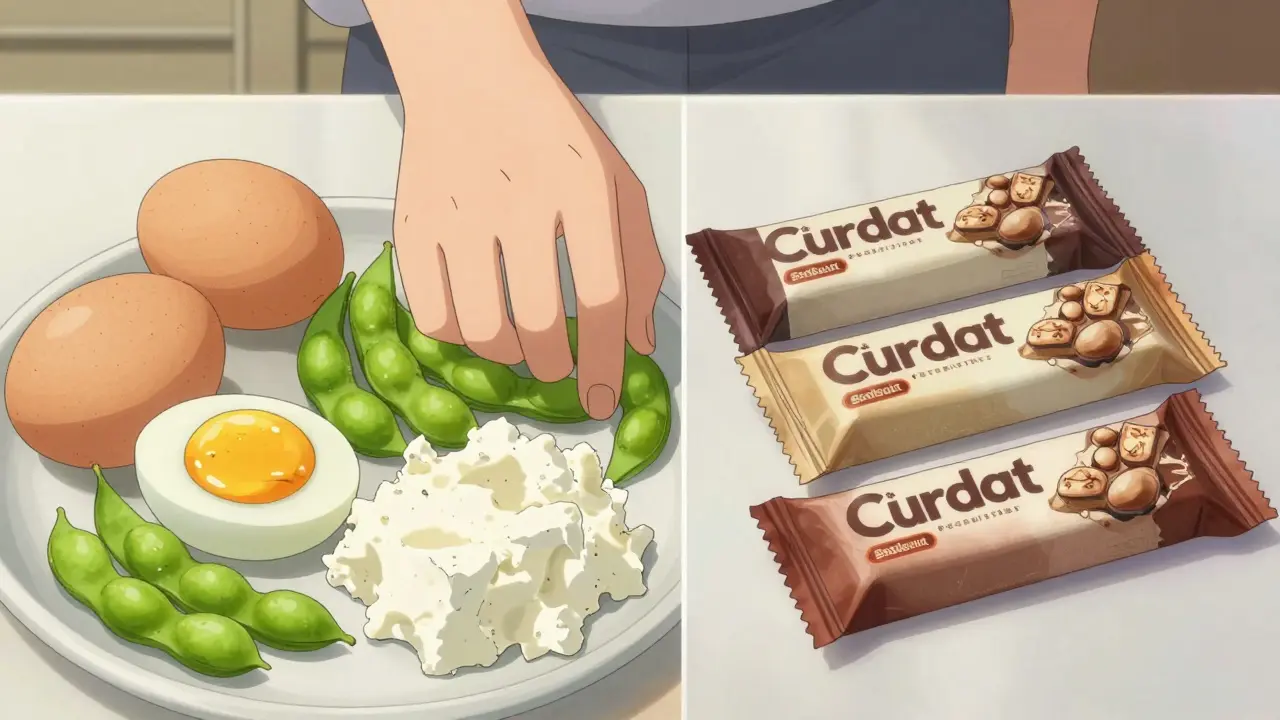
- Edamame: Young soybeans are a fantastic snack. One cup contains 17g of protein and 8g of fiber for about 190 calories. The act of shelling them also slows down your eating, helping you feel fuller faster.
- Roasted Chickpeas: Crispy, crunchy, and customizable. A half-cup serving provides 7g of protein and 6g of fiber for 135 calories. Roast them at home with spices like cumin or paprika to avoid the excess oil found in store-bought versions.
- Firm Tofu: Three ounces of firm tofu offer 9g of protein for 70 calories. While it’s not typically eaten raw as a snack, marinated and baked tofu cubes make for a great savory bite.
- Hummus with Veggies: Hummus alone isn’t a huge protein source, but paired with whole-wheat pita or carrot sticks, it creates a balanced mini-meal. Two tablespoons of hummus provide about 2g of protein, but the combination with complex carbs keeps you satisfied.
Plant-based snacks often win on fiber content. For example, roasted chickpeas beat string cheese on fiber (6g vs 0g) while offering comparable protein. This fiber helps slow digestion, keeping you full for longer periods.
| Snack Option | Protein (g) | Calories | Fiber (g) | Satiety Rating (User Feedback) |
|---|---|---|---|---|
| Greek Yogurt (100g) | 10 | 59 | 0 | High |
| Hard-Boiled Egg (1 large) | 6 | 78 | 0 | Very High |
| Edamame (1 cup) | 17 | 190 | 8 | Extremely High |
| RXBAR Protein Bar | 12 | 210 | 5 | Moderate |
| String Cheese (1 stick) | 7 | 80 | 0 | Moderate |
Navigating Commercial Protein Bars and Shakes
We live in a convenience-driven world, and sometimes you need something you can grab on the go. The global high-protein snack market is booming, valued at $15.8 billion in 2022. However, not all bars are created equal. Many commercial bars hide high amounts of added sugar or use artificial sweeteners that cause digestive distress.
Take Quest bars, for instance. They offer 20g of protein for around 200 calories, which looks great on paper. But user reviews frequently mention a "sweet aftertaste" and bloating due to sugar alcohols like erythritol. On the other hand, RXBARs are praised for clean ingredients like egg whites and dates, but they contain 13g of sugar from natural sources. If you have insulin resistance or are strictly managing blood sugar, that sugar content matters.
Here’s how to read the label:
- Check the Protein Source: Whey, casein, pea, and soy are good signs. Avoid "protein isolates" mixed with excessive fillers.
- Watch Added Sugars: Aim for less than 5g of added sugar. Natural sugars from fruits are fine in moderation.
- Fiber Content: At least 3g of fiber helps blunt the blood sugar spike.
- Ingredient List Length: If you can’t pronounce half the ingredients, put it back. Whole food ingredients are generally better absorbed.
Protein shakes are another convenient option. A scoop of whey or plant protein powder in water or almond milk can provide 20-25g of protein for under 150 calories. Just be mindful of flavorings, which often add hidden calories and sugars.
Practical Tips for Making It Stick
Knowing what to eat is one thing; actually doing it consistently is another. The biggest barrier people face is preparation time. Delish’s 2023 survey found that 68% of respondents cited lack of time as their main obstacle to healthy snacking. Here’s how to overcome that.
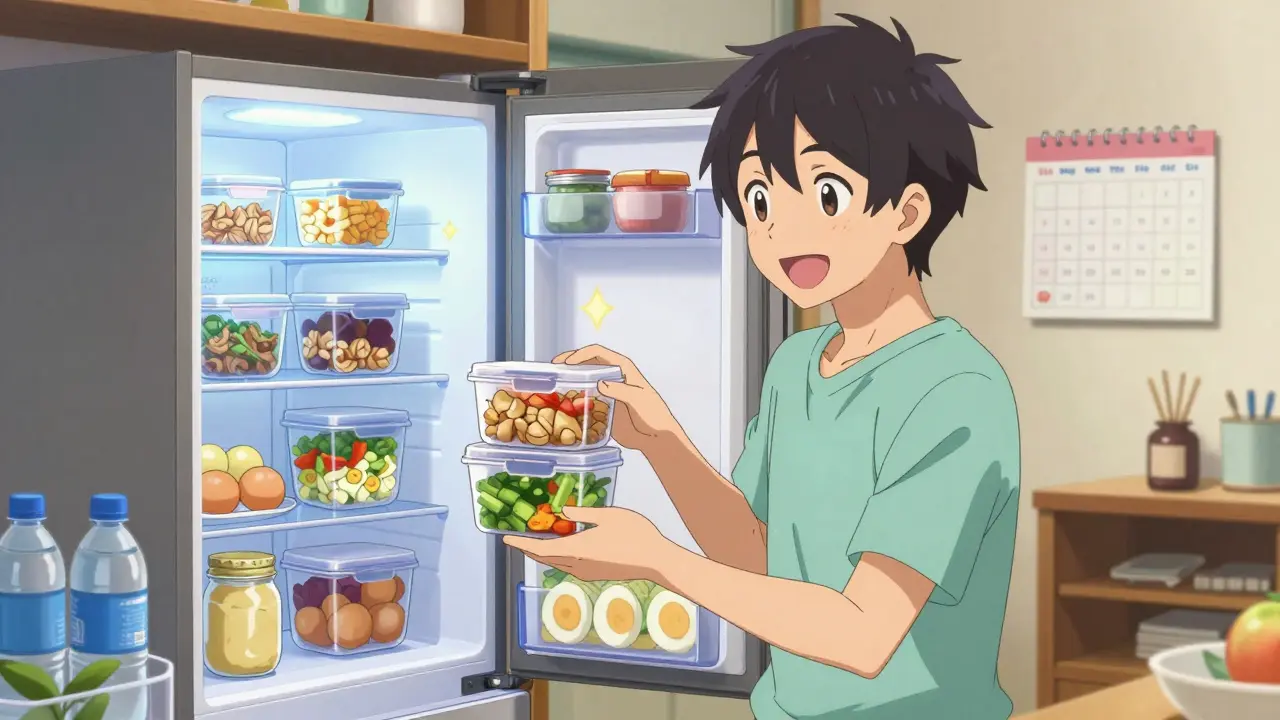
Batch Prep is Key: Spend 15 minutes once a week boiling six eggs. Store them in the fridge for quick grabs. Pre-portion nuts into small containers to prevent mindless overeating. Chop veggies and store them in mason jars with pre-made hummus portions for instant assembly.
Start Small: If you aren’t used to high-protein snacks, jumping straight to 25g servings might cause digestive discomfort. Start with 10-15g (like a single cheese stick or a small cup of yogurt) and gradually increase over 4-6 weeks. Your gut bacteria need time to adapt to higher protein and fiber intakes.
Pair Protein with Polyphenols: Emerging research suggests that combining protein with polyphenol-rich foods like berries can boost muscle protein synthesis by 18%. So, sprinkling blueberries on your Greek yogurt isn’t just tasty-it’s scientifically beneficial.
Avoid the "Dessert" Trap: Don’t view your protein snack as a reward for eating a salad. View it as fuel. If you treat it like dessert, you’ll likely crave more sweets afterward. Focus on savory options like edamame or turkey rolls if you find yourself constantly reaching for sweet treats.
Common Mistakes to Avoid
Even well-intentioned snacking habits can go wrong. One common error is assuming all "high-protein" labels are accurate. In 2023, the FTC took enforcement action against 17 companies for misleading protein claims. Always verify with third-party testing or trusted brands.
Another pitfall is neglecting hydration. Protein metabolism requires adequate water. Dehydration can mimic hunger, leading you to snack when you actually just need a glass of water. Keep a bottle nearby and sip before reaching for food.
Finally, don’t replace meals with snacks. High-protein snacks should complement your main meals, not substitute them. A balanced diet includes vegetables, healthy fats, and complex carbs alongside protein. Using snacks as mini-meals without variety can lead to nutrient deficiencies over time.
How much protein should I aim for in a snack?
Aim for 10-30g of protein per snack. For most adults, 15-20g is a sweet spot that maximizes satiety without excessive calories. Beginners might start with 10g and work their way up.
Are plant-based proteins as effective as animal proteins?
Yes, but you may need to consume slightly more volume to get equivalent amino acid profiles. Combining different plant sources (like beans and rice) throughout the day ensures you get all essential amino acids. Plant proteins also offer extra fiber benefits.
Can I eat high-protein snacks if I have kidney issues?
If you have pre-existing kidney disease, consult your doctor before increasing protein intake. For healthy individuals, high protein does not harm kidneys, but those with compromised function need medical supervision.
What is the best time to eat a high-protein snack?
Anytime between meals works, but within 45 minutes of waking up can help combat overnight muscle breakdown. Post-workout snacks are also ideal for recovery. Consistency matters more than specific timing.
Why do some protein bars make me feel bloated?
Many bars use sugar alcohols like erythritol or maltitol as sweeteners. These can ferment in the gut, causing gas and bloating. Switching to bars sweetened with stevia, monk fruit, or natural fruit sugars may resolve this issue.